

Quick Answer
Home care for seniors with fibromyalgia can make daily routines more manageable when widespread pain, fatigue, poor sleep, or concentration difficulties interfere with bathing, meals, errands, and household tasks. A nonmedical caregiver can provide agreed practical help while the older adult keeps control over decisions. Diagnosis, medication, exercise prescriptions, and symptom treatment remain with healthcare professionals.
When Is Home Care Worth Considering?
- Meals, laundry, or bathing are regularly postponed because of fatigue or pain.
- The person manages one activity but has little energy left for essential tasks.
- Appointments and errands are becoming difficult to organize or attend.
- Family members are repeatedly filling gaps in daily support.
- The older adult wants targeted help rather than someone taking over the whole day.
The key question is not whether a person has fibromyalgia. It is which activities have become difficult, how often assistance is needed, and what they still want to do independently.
How Fibromyalgia Changes an Ordinary Day?
Fibromyalgia is associated with widespread pain, fatigue, sleep difficulties, and sometimes trouble concentrating or remembering details. Symptoms can fluctuate, so a routine that feels manageable one day may require help the next. The condition is not the same as inflammatory arthritis, and a caregiver should not assume every new symptom comes from fibromyalgia.
For a medical overview of symptoms and causes, see the National Institute of Arthritis and Musculoskeletal and Skin Diseases fibromyalgia guide.
Consider an older adult who can prepare breakfast but finds that showering, washing dishes, and shopping on the same morning leave little energy for the rest of the day. Practical home care can shift some of those chores to a caregiver without deciding how the condition should be treated.
1. Make Two Versions of the Daily Routine
A useful plan accounts for both manageable days and high fatigue days. It should name essential activities, optional chores, and the level of assistance the person wants. Any clinical activity or pacing advice must come from the healthcare team.
- Usual day: provide setup assistance and leave preferred tasks to the older adult.
- High fatigue day: prioritize personal care, meals, and necessary appointments; move optional chores to another time.
- Both days: ask what help is welcome before stepping in.
- Change in symptoms: report significant differences through the agreed family and clinical contact process.
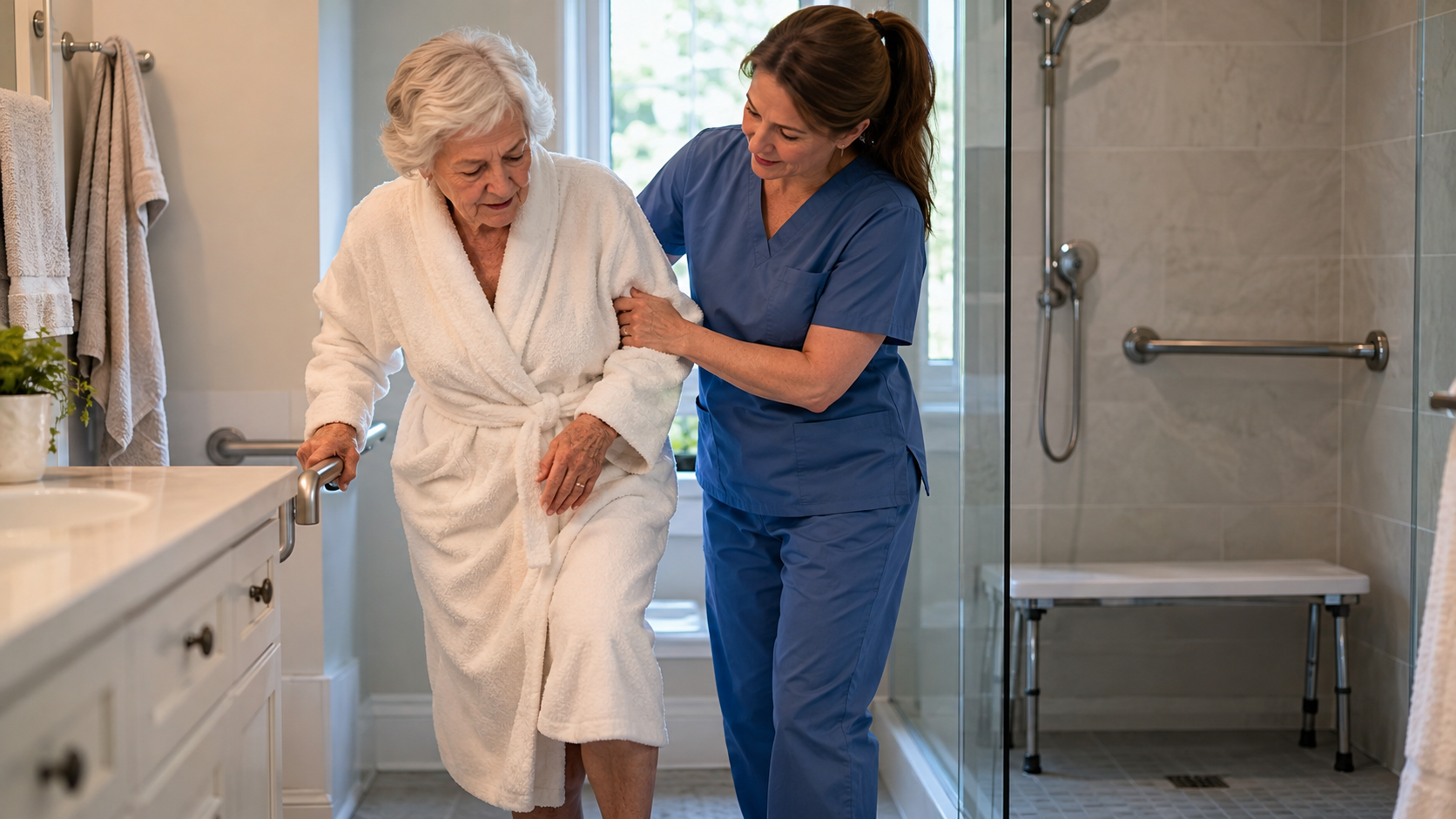
2. Support Bathing and Dressing Without Rushing
Bathing, dressing, grooming, and toileting may require more effort when pain and fatigue are high. The caregiver can lay out clothing, bring supplies within reach, and assist with the specific steps authorized in the care plan. Privacy and choice matter. A person who needs help with buttons may still prefer to complete most of their routine independently.
Angels Instead describes assistance with these activities through its personal care services. The exact tasks and level of physical assistance should be agreed before visits begin.
3. Keep Meals and Household Tasks From Taking Over the Day
Shopping, preparing food, carrying cookware, washing dishes, and changing linens all require effort. A caregiver may take on meal preparation, light housekeeping, laundry, and approved errands so the older adult can use their time for activities that matter to them.
- Ask which part of meal preparation is hardest rather than assuming all cooking must stop.
- Keep familiar supplies in agreed locations and avoid rearranging the home without permission.
- Follow any existing medical dietary instructions; do not suggest supplements or a new diet.
- Share concerning changes in eating, swallowing, or weight with the appropriate healthcare professional.
4. Plan Around Poor Sleep and Concentration Difficulties
Fibromyalgia may be accompanied by nonrestorative sleep and difficulty concentrating, sometimes called fibro fog. That can make a crowded morning schedule or complicated errands more frustrating. Practical support can include writing down appointment times with permission, organizing everyday paperwork, and handling errands already included in the care plan.
A caregiver should not diagnose memory problems, recommend sleep treatments, or assume new confusion is part of fibromyalgia. New or marked changes need medical evaluation.
5. Keep Clinical Treatment Separate From Home Care
Healthcare professionals may recommend individualized exercise, medications, behavioral approaches, and other symptom management strategies. A home caregiver does not create an exercise program, choose medication doses, recommend supplements, or decide how much pain someone should tolerate.
The NIAMS treatment and daily living guidance explains the clinical approaches and the importance of individualized professional advice.
For families primarily concerned with stiff hands, joint movement, or dressing mechanics, see the arthritis at home guide. Fibromyalgia care instead emphasizes variable fatigue, widespread pain, and concentration difficulties.
6. Know When Symptoms Need Medical Attention
New, significantly worsening, or unusual symptoms should not automatically be attributed to fibromyalgia. Contact the healthcare team about meaningful changes in strength, balance, thinking, swallowing, or the ability to complete essential activities. Seek emergency assistance for chest pain, severe breathing difficulty, signs of stroke, or another medical emergency. In the United States, call 911.
The CDC fibromyalgia resource also distinguishes medical treatment from everyday self management.
A Simple Family Decision Checklist
- Identify two or three daily tasks that are frequently skipped or exhausting.
- Ask the older adult which tasks they want to keep doing on their own.
- Decide whether help is needed in the morning, around meals, or for errands.
- Document existing clinical instructions relevant to daily assistance.
- Confirm caregiver responsibilities, visit times, and who receives updates.
- Review the schedule when the amount of assistance needed changes.
Frequently Asked Questions
Can home care treat fibromyalgia?
No. Home care provides practical daily assistance; clinical diagnosis and treatment remain with qualified professionals.
Can someone need help only on high fatigue days?
Yes. Families can discuss flexible assistance based on the person’s actual tasks, scheduling options, and agreed care plan.
How is fibromyalgia home care different from arthritis home care?
Fibromyalgia support often emphasizes fluctuating widespread pain, fatigue, sleep disruption, and concentration difficulties. Arthritis care may focus more directly on joint specific task barriers.
Can caregivers recommend exercises or supplements?
No. Those recommendations should come from the appropriate healthcare professional.
Can a caregiver help with meals and transportation?
Depending on the care plan, nonmedical support may include meal preparation, errands, transportation arrangements, and companionship.
When should the family seek medical advice?
Seek professional advice for new, unusual, or worsening symptoms, especially if safety or daily function changes. Use emergency services for serious warning signs.
Talk With Angels Instead About Practical Daily Support
If fibromyalgia is making daily life harder for an older adult in the Houston area, start with the tasks that need help and the person’s preferences. Contact Angels Instead to discuss home care options that can complement, rather than replace, medical care.