

Quick answer: Home care for seniors with lymphedema helps with dressing, bathing, meals, laundry, mobility, and appointments when swelling makes everyday routines harder. Nonmedical caregivers support daily living, while qualified clinicians direct compression, lymph drainage, wound care, and treatment.
At a Glance: What Families Need to Know
- Ask which activities are difficult today, rather than assuming the diagnosis determines the amount of help.
- Plan clothing, personal care, household chores, and appointments around the older adult’s preferences.
- Keep compression and therapeutic techniques under the direction of the treating clinician.
- Agree in advance on who reports new swelling, redness, pain, or other changes.
- Preserve consent, privacy, and as much independence as the senior wants.
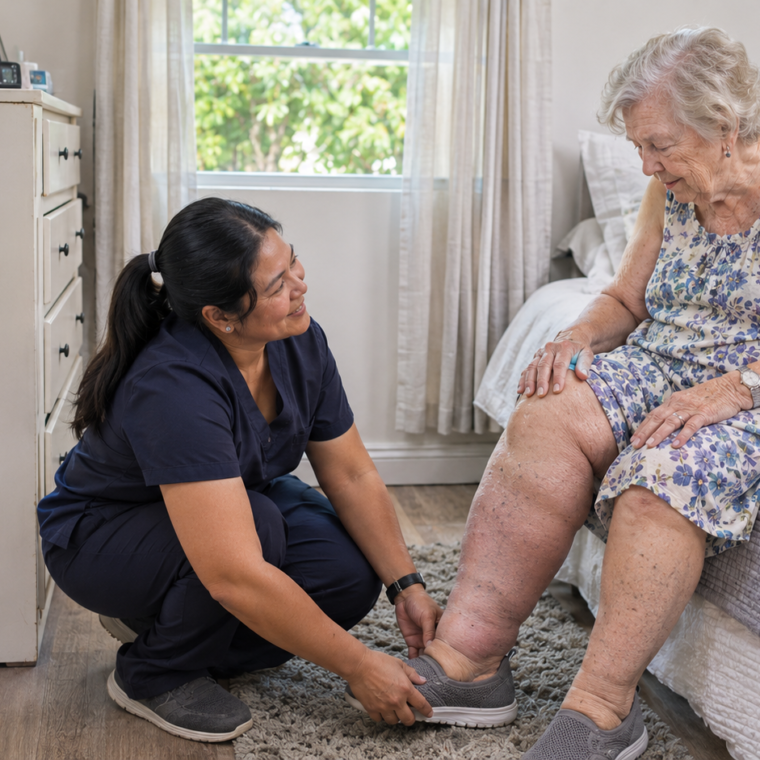
A sleeve may be harder to pull on in the morning. A favorite pair of shoes may no longer feel comfortable. Laundry and meal preparation may take more effort when an arm or leg feels heavy. The goal of home care is to make these ordinary tasks manageable without presenting a caregiver as a lymphedema therapist.
The National Cancer Institute explains that lymphedema can cause swelling and heaviness when lymph fluid builds up. It can occur after cancer treatment or for other reasons. New or unexplained swelling needs medical evaluation because it can have several causes.
1. Begin With the Senior’s Own Priorities
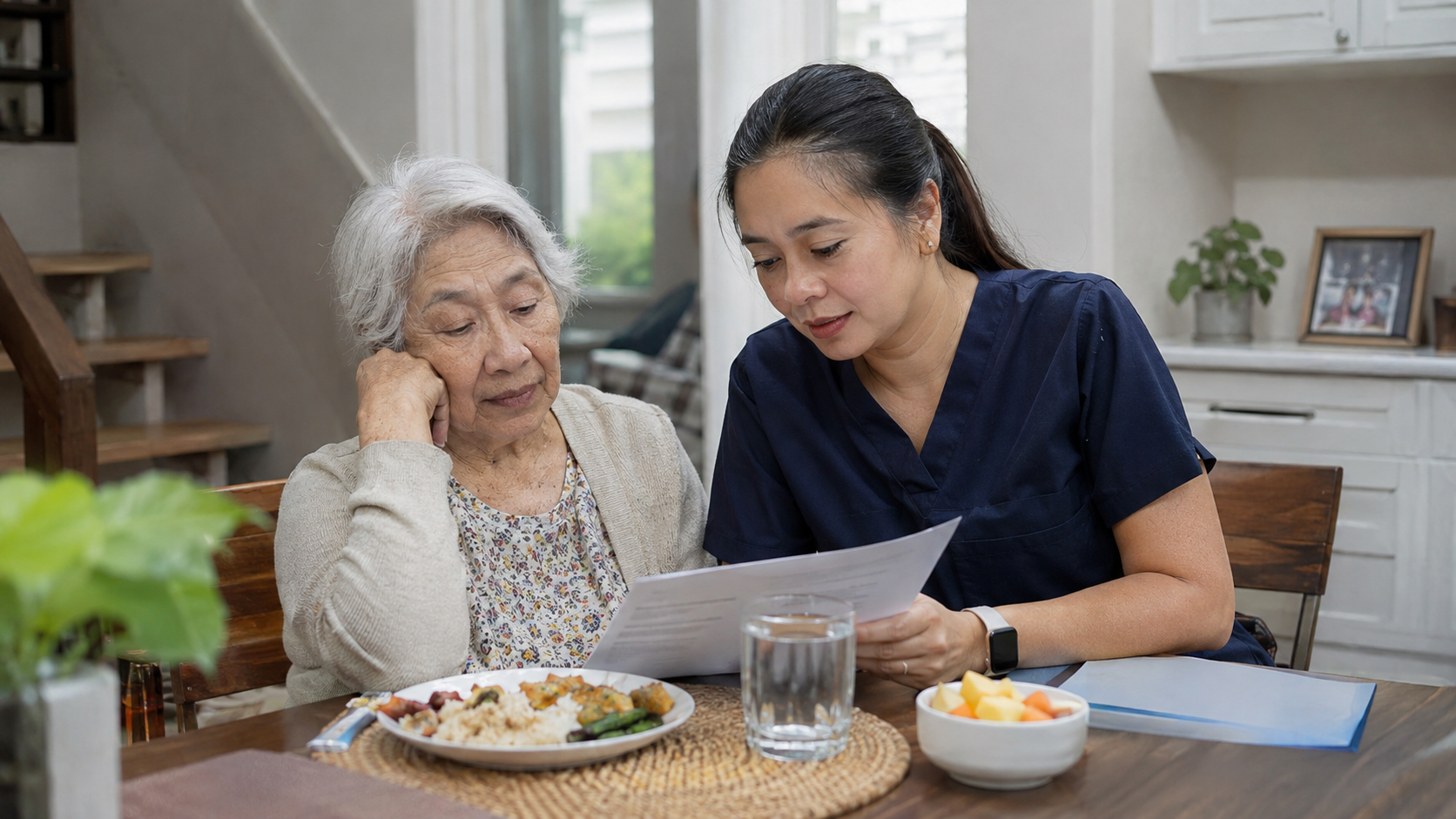
Start with two questions: Which parts of the day feel hardest, and what would you still like to do independently? One person may want help with socks and shoes; another may prefer assistance with shopping while managing dressing alone. Document the answers in a written care plan.
- Choose two or three activities where assistance would make the greatest difference.
- Offer setup help before assuming hands on assistance is necessary.
- Agree on visit times and who may receive updates.
- Revisit the plan if the senior’s abilities or preferences change.
2. Make Dressing and Bathing Less Stressful
Lay out comfortable clothing, prepare bathing supplies, and allow extra time. Do not force a sleeve, stocking, shoe, or other garment over a swollen or painful area. Ask before touching the affected limb and respect the person’s choice to complete steps independently.
Angels Instead offers personal care assistance with bathing, dressing, and grooming. Any hands on help must match the care plan, staff training, and agency policy.
3. Separate Compression Care From Ordinary Dressing
Compression garments, wraps, pumps, and manual lymph drainage are parts of clinical lymphedema management, not routine household care. The treating clinician or qualified therapist determines the regimen, fit, training, and who is permitted to assist. A non medical caregiver must not independently select, adjust, apply, or remove compression as a treatment task.
For an overview of clinical approaches, MedlinePlus describes lymphedema management, including compression, exercise, skin care, and massage. Families should follow the individual medical plan rather than copy general instructions.
4. Reduce Household Demands Without Prescribing Rest
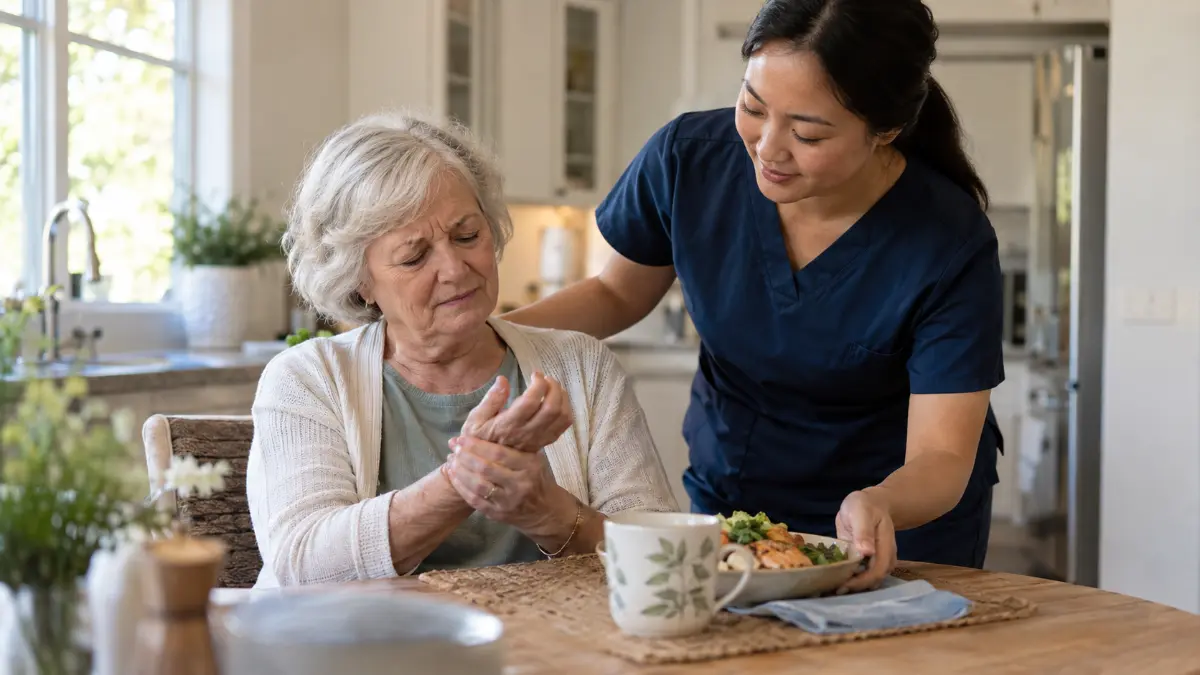
A caregiver can prepare meals, manage light laundry, change linens, place everyday items within easy reach, and help with errands. These tasks can conserve time and effort without deciding how long the person should rest, whether a limb should be elevated, or which exercises to perform.
For example, if getting ready for a clinic visit takes longer than expected, a caregiver can prepare lunch and complete laundry while the senior focuses on the appointment. That is practical assistance, not treatment for swelling.
5. Support Everyday Mobility Safely
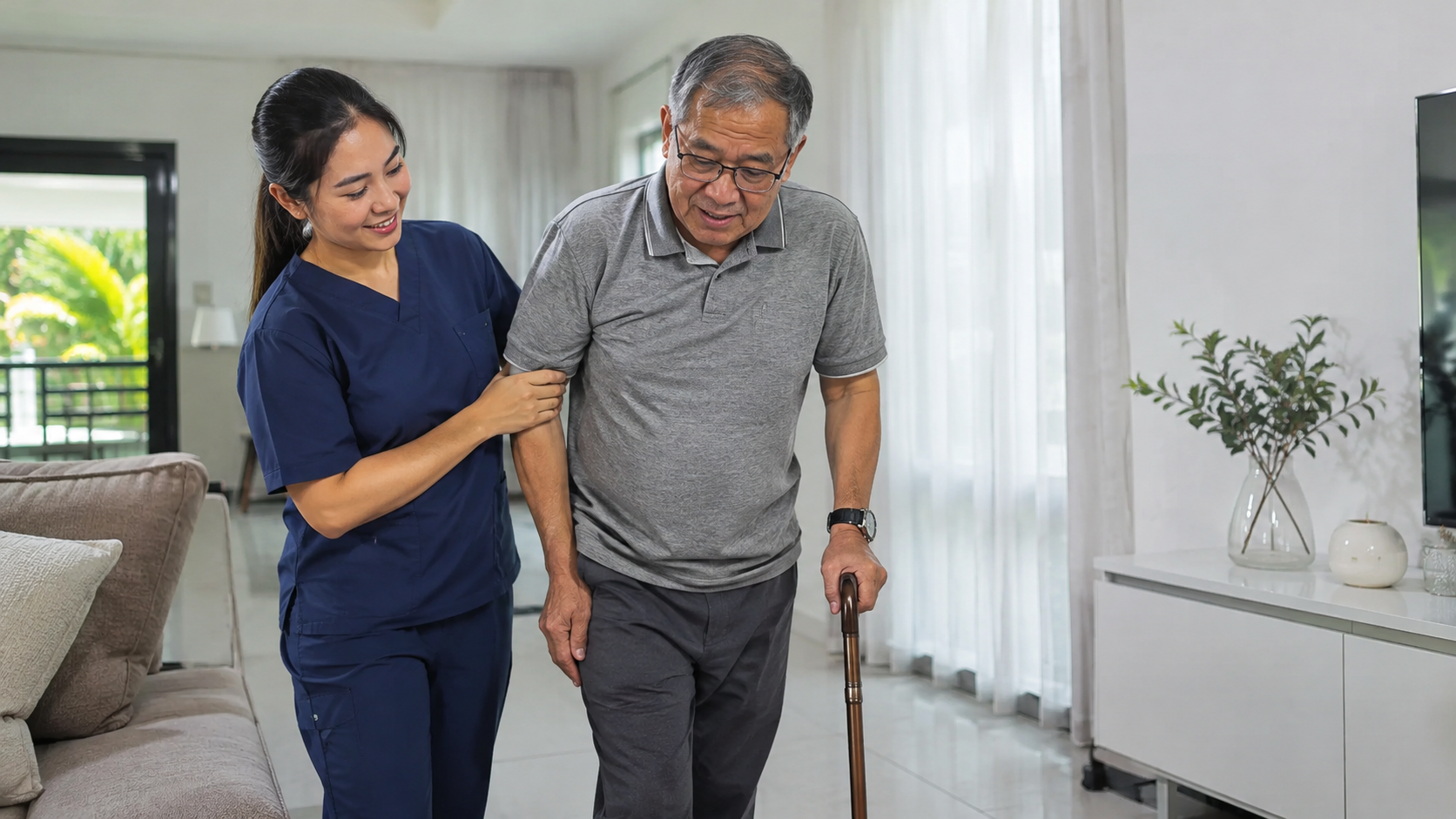
If a swollen limb makes walking, standing, or transfers more difficult, follow the established mobility care plan and any clinician instructions. Do not introduce exercises, massage, or new movement restrictions. Report meaningful changes in the person’s ability to move.
For the ordinary support available, see Angels Instead’s mobility assistance services. The type of help should be confirmed before care begins.
6. Know When to Seek Medical Help
Do not assume a new symptom is simply part of existing lymphedema. Contact a healthcare professional promptly for new or rapidly worsening swelling, fever, spreading redness, warmth, increasing pain, or concerning skin changes. These may signal infection or another condition requiring assessment.
Call 911 for sudden chest pain, severe difficulty breathing, fainting, or other potentially life threatening symptoms. A caregiver should communicate what was observed and follow the emergency plan, not diagnose a blood clot or infection.
The National Cancer Institute also discusses cellulitis warning signs associated with lymphedema. Early medical evaluation matters.
7. Coordinate Therapy and Medical Appointments
Families can maintain a calendar for primary care, oncology, rehabilitation, or lymphedema therapy visits. Caregivers may help the older adult prepare questions, gather paperwork, arrange transportation, and accompany them when the service is agreed and available. Clinicians remain responsible for treatment decisions.
A Simple Communication Note for Families
Keep notes practical and respectful. “Needed extra help with shoes before the appointment” is useful. “The lymphedema is getting worse” is a clinical conclusion and should not be written as a diagnosis.
- Which daily tasks needed additional help?
- Were personal care, meals, or appointments delayed?
- What did the older adult request or prefer?
- Which concerns were reported, to whom, and when?
Seven Day Home Support Checklist
- Identify difficult dressing, bathing, meal, and household tasks.
- Agree on the senior’s preferred level of assistance and privacy.
- Keep current clinical instructions accessible to authorized people.
- Confirm who is trained and permitted to help with compression tasks.
- Arrange transportation and prepare appointment questions.
- Set an escalation process for new swelling or skin changes.
- Review the care schedule after one week.
How Angels Instead Can Help in Houston?
Angels Instead provides nonmedical home care in Houston and other Texas communities it serves. Depending on the agreed care plan, assistance may include bathing, dressing, meal preparation, laundry, light housekeeping, companionship, and appointment logistics. Clinical lymphedema management remains with licensed healthcare professionals.
If swelling is making everyday routines harder, discuss a personalized home care plan with Angels Instead. Call (281) 800 1800 to talk about the tasks and visit schedule your family needs.
Frequently Asked Questions
Can a non medical caregiver treat lymphedema?
No. A non medical caregiver helps with daily living. Diagnosis, compression treatment, lymph drainage, wound care, and rehabilitation planning belong to qualified professionals.
Can a caregiver put on compression stockings?
Only when the treating clinician and agency have confirmed that the specific task is appropriate, permitted, and supported by necessary training and the written plan. Do not assume routine dressing assistance includes compression treatment.
What if swelling makes shoes or clothing difficult?
A caregiver can prepare preferred clothing, allow extra time, and help with ordinary dressing within the care plan. Do not force garments over painful or swollen areas.
Is lymphedema always caused by cancer treatment?
No. Cancer treatment is one possible cause, but lymphedema can have other causes. A clinician should evaluate unexplained swelling.
What changes should families report?
New or rapidly worsening swelling, fever, redness, warmth, pain, or skin changes warrant prompt medical advice. Chest pain or severe breathing difficulty requires emergency services.
Is non medical home care the same as skilled home health?
No. Non Medical care assists with ordinary routines. Skilled clinicians provide medically indicated assessment, therapy, and treatment.
The Bottom Line
Lymphedema home care works best when it protects independence and makes daily routines easier without crossing into medical treatment. Agree on the tasks that matter, clarify who handles compression care, and maintain a clear plan for reporting changes.