

Quick Answer: Home care for seniors with spinal stenosis can help with daily routines that become harder when standing, walking, bending, dressing, bathing, cooking, or household tasks take more effort. A nonmedical caregiver can assist with personal care, established mobility routines, meals, errands, transportation, laundry, and light housekeeping. Diagnosis, treatment, exercises, braces, mobility prescriptions, and decisions about new or worsening neurologic symptoms remain with qualified healthcare professionals.
At a Glance: Where Home Care Fits
|
Spinal Stenosis Can Make Ordinary Routines Harder
The National Institute of Arthritis and Musculoskeletal and Skin Diseases explains that spinal stenosis occurs when spaces in the spine narrow and create pressure on the spinal cord or nerve roots. Symptoms vary by location and can include pain, numbness, tingling, cramping, or weakness. Symptoms in the lower back may become more noticeable with standing or walking.
For home care planning, the diagnosis alone does not determine how much help someone needs. One person may struggle most with standing long enough to prepare dinner. Another may need help with dressing, bathing, errands, or moving through the home. The useful starting point is the daily task that has become difficult.
1. Start With the Daily Routine
A caregiver does not interpret scans or determine the severity of spinal stenosis. The care plan should focus on the routines that take too much effort, are being skipped, or now require assistance.
Daily Routine Snapshot
|
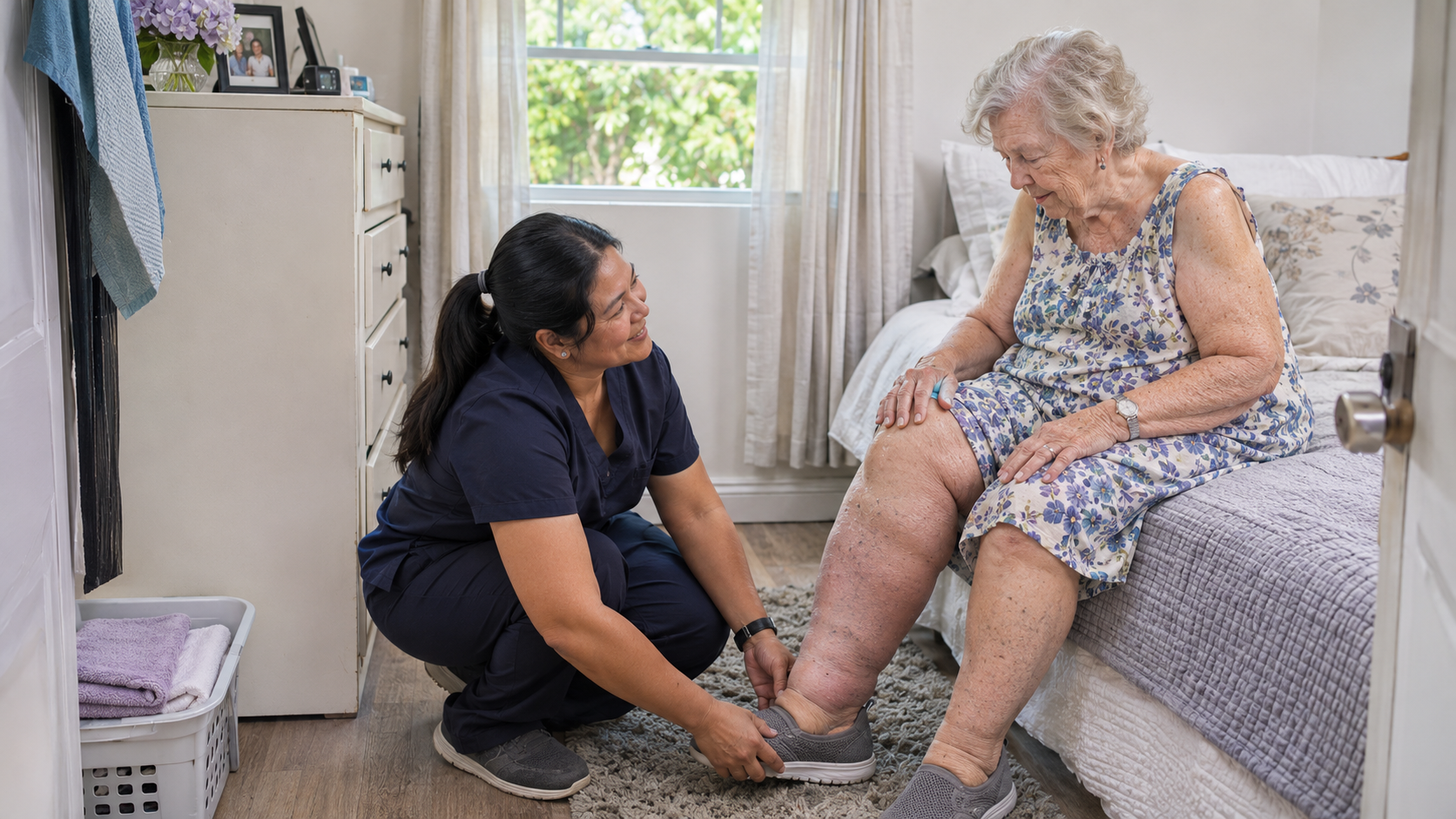
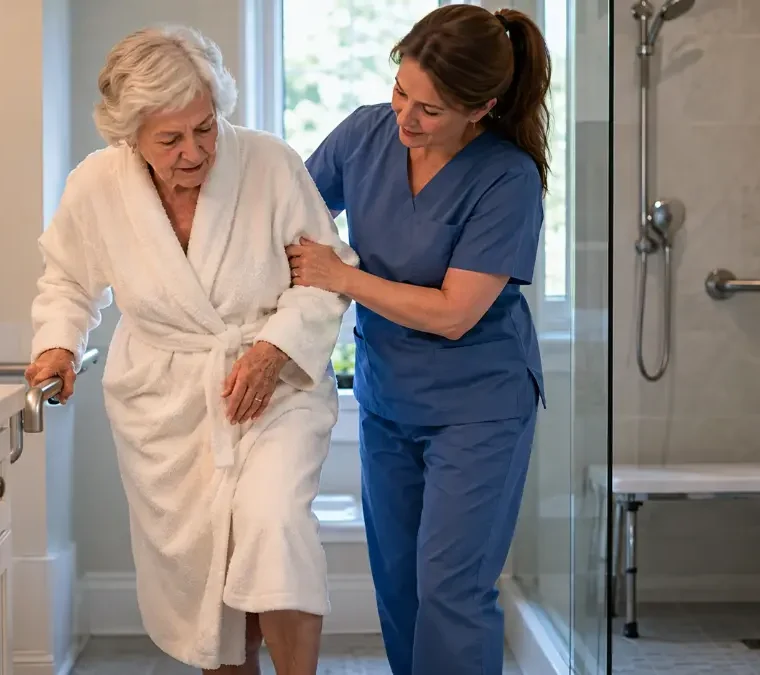
2. Dressing and Bathing May Need More Time
Dressing can require bending, reaching, standing, and balance. Bathing adds a wet environment and more movement between positions. When these routines become difficult, support should preserve as much independence as possible.
Angels Instead’s personal care services include bathing, dressing, grooming, toileting, mobility support, meal preparation, laundry, and light housekeeping. Assistance should match the older adult’s preferences and individualized care plan.
A caregiver can prepare clothing, bring needed items within reach, allow more time, and provide the level of assistance already established in the plan. A nonmedical caregiver should not create stretches, recommend a brace, teach a new transfer technique, or decide that painful movement should be pushed through.
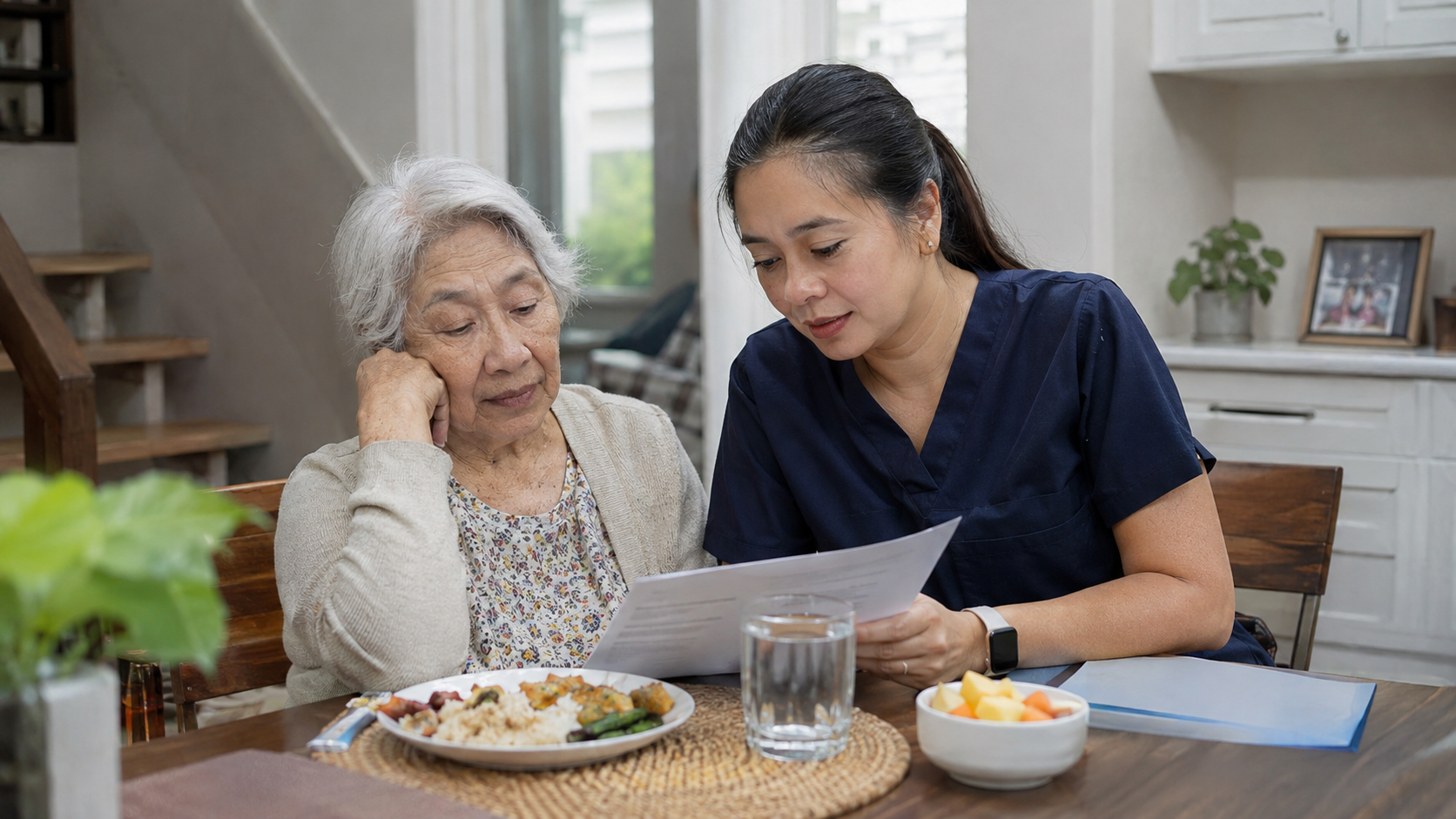
3. Meals Can Become a Standing and Walking Problem
Cooking may require repeated trips between the refrigerator, sink, counter, cabinets, and stove. It can also involve carrying cookware, reaching, bending, and standing. When those movements make meal preparation difficult, home care can reduce the workload without taking away the older adult’s choices.
Meal Support
|
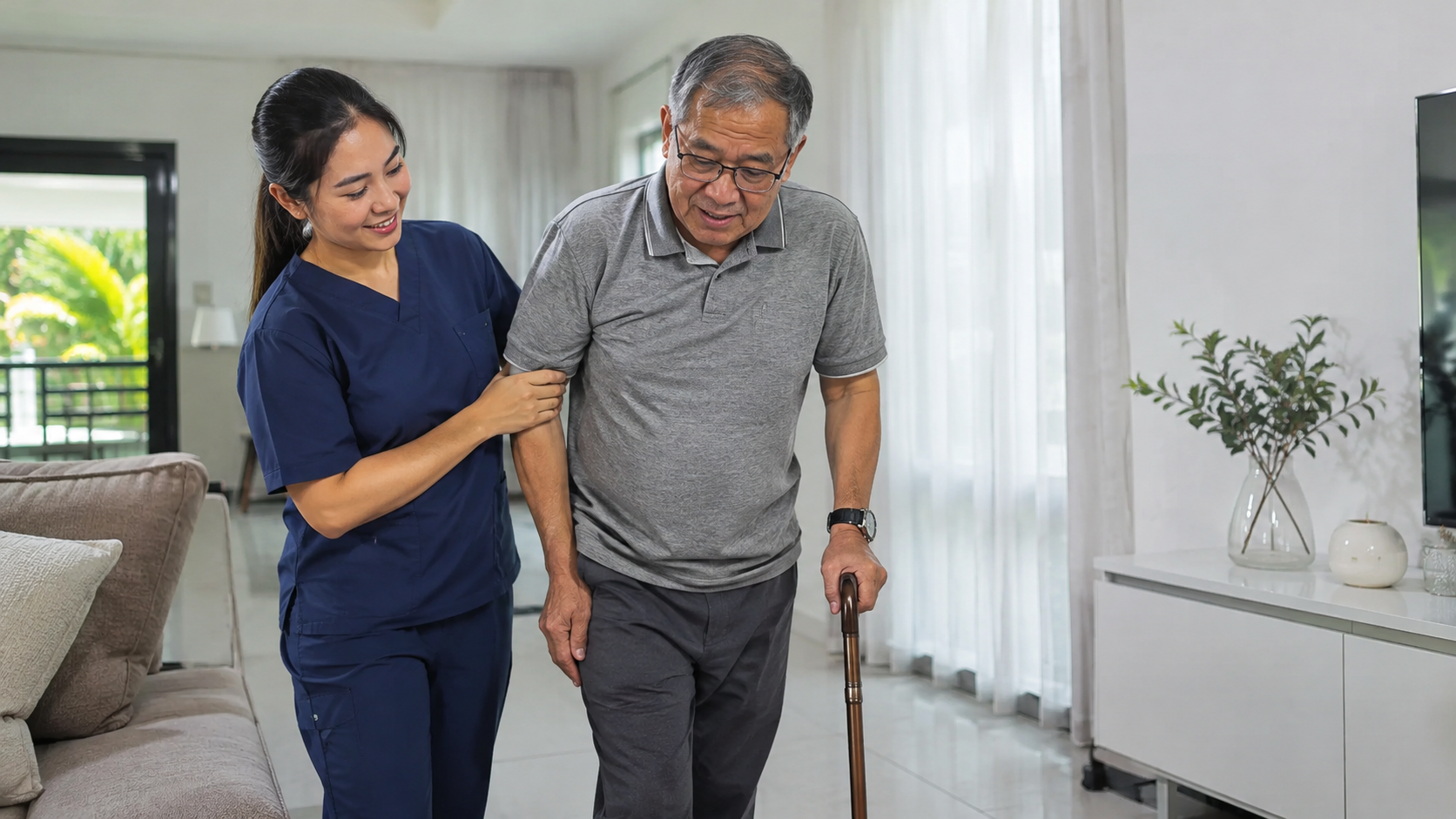
4. Mobility Assistance Must Follow an Established Plan
Slower or more limited walking does not mean a caregiver should invent a new exercise or mobility routine. Pain, weakness, numbness, balance changes, and professional restrictions all matter.
NIAMS guidance on spinal stenosis diagnosis and treatment describes physical therapy, exercise, braces, assistive devices, medication, and surgery as areas of professional treatment. Those decisions stay with the healthcare team.
A nonmedical caregiver can support an established walking or mobility routine when it is part of the care plan and within caregiver training and agency scope. The caregiver should not prescribe a walker, change an exercise plan, teach a new transfer method, or decide when equipment is no longer needed.
Mobility Boundary
|
5. Light Housekeeping Can Reduce the Daily Workload
Laundry, dishes, changing linens, taking out trash, and carrying groceries can require repeated bending, lifting, reaching, and walking. Home care can help with these ordinary chores so the older adult does not have to use limited energy on every household task.
The goal is not to make the person inactive. It is to keep the home routine manageable while activity recommendations and treatment decisions remain with the appropriate clinician or therapist.
6. Errands and Transportation Are Part of the Routine
A long walk through a store, standing in line, carrying bags, or getting to an appointment may become difficult. Families should consider the entire routine, including what happens outside the home.
Angels Instead’s home care planning process can address activities of daily living, light housekeeping, transportation, errands, personal care, and other practical needs through an individualized plan. The schedule should reflect the tasks that actually need coverage rather than the diagnosis alone.
7. Report New Changes Instead of Assuming the Cause
An established spinal stenosis diagnosis can make it tempting to explain every new problem through the same condition. A caregiver should observe and report meaningful changes rather than diagnose them.
NIAMS notes that severe spinal stenosis may involve bowel or bladder problems, and its treatment guidance identifies impaired bowel or bladder function and other neurologic involvement as situations that can require prompt specialist evaluation. New or worsening weakness, numbness, walking changes, falls, or bowel or bladder changes should be reported promptly to the appropriate healthcare professional.
Changes That Need Clinical Attention
|
For severe, sudden, or emergency symptoms, seek urgent medical care or call 911 when appropriate. Home care supports daily life but does not replace emergency evaluation or medical treatment.
8. Build the Care Plan Around the Hardest Parts of the Day
Some older adults may need help mainly in the morning with bathing and dressing. Others may manage personal care but struggle with meals, laundry, shopping, or transportation. Targeted support can be more useful than a schedule built around the diagnosis alone.
Questions to Ask Before Home Care Starts
|
How Angels Instead Can Help?
For this topic, the relevant Angels Instead role is nonmedical home care. Depending on the individualized plan, support may include personal care, established mobility assistance, meal preparation, light housekeeping, laundry, errands, transportation, and companionship. Diagnosis, treatment, medication decisions, exercises, braces, rehabilitation, and other clinical decisions remain with qualified professionals.
If spinal stenosis is making ordinary routines harder to complete consistently, contact Angels Instead to discuss the specific tasks and schedule that may be useful.
Frequently Asked Questions
Can home care treat spinal stenosis?
No. Nonmedical home care does not diagnose or treat spinal stenosis. It can support personal care, meals, household tasks, errands, transportation, companionship, and established mobility routines.
Can a caregiver help a senior walk?
A caregiver may support an established mobility routine when it is included in the care plan and within caregiver training and agency scope. The caregiver should not create a new mobility method or prescribe equipment.
Can a caregiver recommend exercises?
No. Exercise and rehabilitation recommendations should come from the appropriate healthcare professional or physical therapist.
Can home care help with dressing and bathing?
Yes. Personal care can include bathing, dressing, grooming, toileting, and related daily routines. The amount of help should reflect the person’s preferences, abilities, care plan, and professional instructions.
What if a senior suddenly becomes weaker?
New or worsening weakness, numbness, walking changes, falls, or bowel or bladder changes should be reported promptly to the appropriate healthcare professional. Severe or emergency symptoms require urgent medical care.
How many hours of home care are needed?
There is no standard number based on spinal stenosis alone. The schedule should reflect which routines need support, when those needs occur, what family members already cover, and the older adult’s preferences.