

Quick Answer: Peripheral artery disease home care can help seniors manage dressing, meals, household chores, appointments, and everyday routines when leg discomfort or reduced mobility makes these activities difficult. A non medical caregiver follows the established care plan while vascular specialists and other clinicians handle diagnosis, medication, wound treatment, and prescribed exercise.
At a Glance: What Families Need to Know
- PAD may cause leg pain during activity, but some people have few symptoms or none.
- Ask the treating clinician about individual walking guidance and precautions.
- Plan practical help with personal care, meals, laundry, errands, and appointments.
- Report new foot sores, worsening symptoms, or pain at rest promptly.
- A suddenly cold, pale, painful, numb, or weak limb may be a medical emergency.
What Is Peripheral Artery Disease, and Why Can Daily Life Become Harder?
Peripheral artery disease (PAD) occurs when narrowed arteries reduce blood flow, most often in the legs. Some people notice aching, heaviness, or cramping when walking or climbing stairs that improves with rest. Others have atypical symptoms or no noticeable symptoms. PAD also raises the risk of serious cardiovascular problems.
The National Heart, Lung, and Blood Institute explains the range of PAD symptoms, including changes in leg comfort, foot temperature, and wound healing. A diagnosis alone does not tell a family how much everyday help a person needs.
Consider an older adult who enjoys preparing breakfast but now finds the walk to the mailbox difficult. The useful care planning question is not how far a caregiver can make them walk. It is which daily activities have become difficult, what help the person wants, and what the clinical team has recommended.
1. Begin With the Existing Medical and Mobility Plan
Before scheduling care, ask the older adult and their clinical team which daily activities are appropriate, whether there are mobility precautions, and whom to contact about changes. A non medical caregiver should not decide whether leg pain is safe, prescribe walking distances, or change an exercise program.
- Keep current clinician instructions and emergency contacts accessible.
- Record the permitted level of mobility and transfer assistance.
- Ask which activities the older adult wants to keep doing independently.
- Agree on who reports concerns to family members and healthcare professionals.
2. Make Bathing, Dressing, and Morning Routines More Manageable
Standing, walking between rooms, or getting ready for the day may be tiring for some people with PAD. A caregiver can prepare towels and clothing, help with agreed grooming and dressing tasks, and allow a comfortable pace without taking over decisions.
Angels Instead describes its personal care assistance for bathing, dressing, grooming, toileting, and mobility needs. Any hands on help must fit the individual care plan and caregiver training.
3. Organize Meals and Chores Around the Person’s Energy and Mobility
A caregiver may handle grocery errands, prepare meals, carry laundry, clean up dishes, and complete light housekeeping. These tasks can reduce unnecessary household demands while the older adult remains involved in activities they enjoy.
Follow any existing nutrition and fluid instructions from the healthcare team. A nonmedical caregiver should not recommend a special PAD diet, supplements, or medication changes.
4. Keep Walking Support Separate From Prescribed Exercise
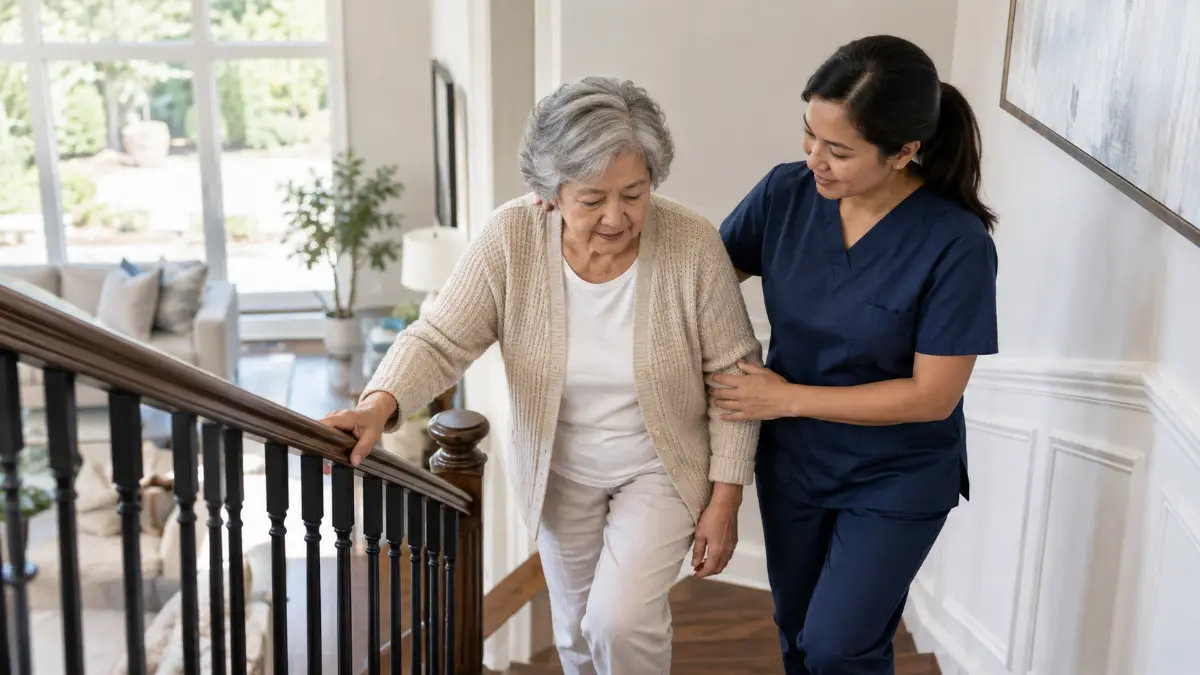
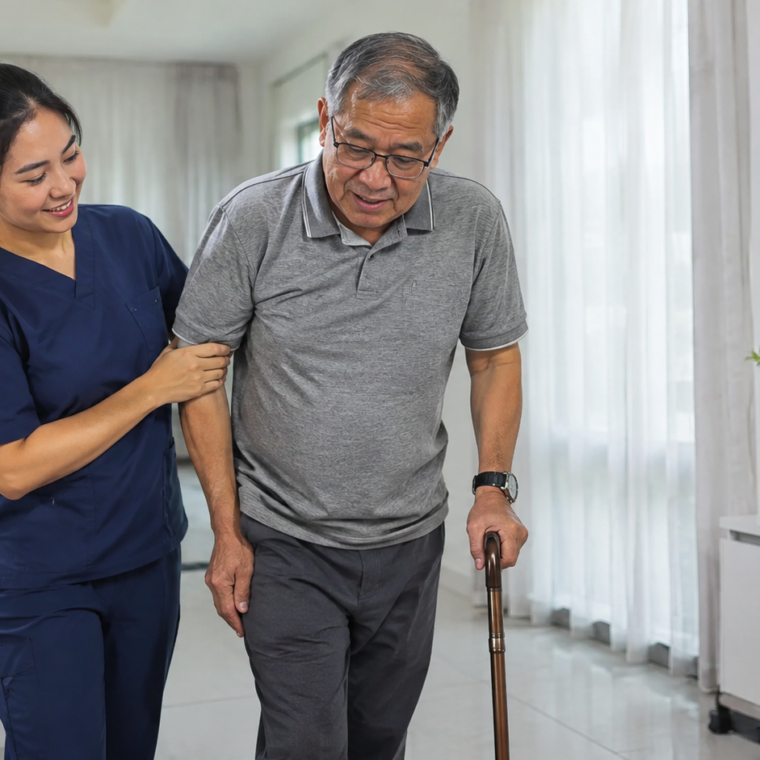
Structured exercise can be part of medical PAD management, but the healthcare team determines whether and how it is appropriate. Caregivers may support ordinary daily mobility only as authorized in the care plan. They should not supervise exercise as therapy, set walking goals, or urge someone to push through new pain.
The NHLBI outlines clinician directed approaches in its PAD treatment guidance. Families should ask the clinician what to do if symptoms interrupt routine activities.
5. Prepare for Vascular Appointments Without Taking Over Medical Decisions
Appointments can be demanding when getting dressed, walking to a vehicle, or waiting at a clinic takes extra effort. Families can confirm the schedule, gather the older adult’s questions, arrange transportation, and allow additional preparation time.
For practical trip planning, Angels Instead has a separate guide to senior transportation assistance in Houston. Caregivers can help with approved logistics, but medical decisions stay with the patient and clinicians.
6. Know Which PAD Changes Need Prompt or Emergency Attention
New sores on the feet, wounds that heal slowly, worsening symptoms, and new or increasing pain at rest require prompt contact with the healthcare team. Nonmedical caregivers can observe and report changes but must not assess circulation, diagnose infection, or provide clinical wound treatment.
Call 911 in the United States for a suddenly painful, pale, cold, numb, or weak leg or foot, especially when the person cannot feel or move it. Sudden loss of blood flow, called acute limb ischemia, is an emergency. Do not wait for the next scheduled caregiver visit.
The NHLBI provides additional warning signs and foot care guidance for people living with peripheral artery disease.
7. Use a Simple PAD Observation and Communication Log
Useful caregiver notes describe what happened without suggesting a diagnosis. For example: “The walk to the front door was harder than usual today, and the client asked to stop,” rather than “Poor circulation got worse.” Record the time, affected routine, what the person reported, and whom the concern was shared with, following privacy and agency procedures.
A simple record can help families explain functional changes to the treating team. It is not a substitute for medical monitoring or a clinical assessment.
Example of a useful family update: “At 9 a.m., Dad stopped while walking from the kitchen to the front door and said his calf hurt. He sat down, and we notified the designated family contact according to the care plan.” This reports the activity and the person’s words without diagnosing a circulation problem.
A caregiver should never be asked to assess pulses, examine a wound clinically, or decide whether walking pain is an acceptable part of exercise. If the existing plan no longer fits, contact the treating team.
8. Match Home Care Visits to the Hardest Parts of the Day
One family may need help with morning bathing and breakfast. Another may need grocery shopping, laundry, and transport to appointments. A third may need more frequent support after a change in daily function. Choose the schedule according to actual tasks, the older adult’s preferences, family availability, and the existing medical plan rather than the PAD diagnosis alone.
Unlike general mobility support, a PAD home care plan should clearly identify who receives reports about new foot sores, pain at rest, or sudden limb changes. It should also distinguish everyday walking assistance from a clinician prescribed exercise program.
Family Checklist Before Arranging PAD Home Care
Ask the older adult and their healthcare team what the caregiver may help with, whether there are current activity instructions, and which symptoms require a call. Confirm how the agency will communicate concerns to the family.
- Identify two or three daily activities that have become difficult.
- Confirm current clinician instructions and whom to call about new symptoms.
- Agree on the caregiver’s permitted personal care and mobility duties.
- Arrange transportation and household assistance around actual needs.
- Keep a process for reporting new wounds, pain at rest, or other changes.
- Review the schedule when daily needs change.
How Angels Instead Can Help Houston Families?
Angels Instead provides non medical home care in Houston and other Texas communities it serves. Depending on the agreed plan, caregivers may assist with personal care, meals, light housekeeping, companionship, errands, and appointment logistics. PAD diagnosis, vascular treatment, wound care, and therapeutic exercise remain with qualified healthcare professionals.
Frequently Asked Questions
Can home care help a senior with peripheral artery disease?
Yes. Nonmedical home care can assist with daily activities when PAD symptoms or mobility limitations make them harder. It does not treat circulation problems.
Can a caregiver treat PAD leg pain or foot wounds?
No. Medication decisions, wound assessment and treatment, and circulation management belong to qualified clinicians. Caregivers report concerns according to the care plan.
Should a senior with PAD avoid walking?
Not automatically. Walking and structured exercise guidance must come from the treating clinician. A caregiver should not independently prescribe rest or exercise.
What if a foot suddenly becomes cold or pale?
A sudden painful, cold, pale, numb, or weak foot or leg may signal an emergency. Call 911, especially if sensation or movement is lost.
Does everyone with PAD need full time home care?
No. Care hours depend on individual abilities, clinical guidance, personal preferences, and family support.
What can family members track between appointments?
With the older adult’s permission, record which everyday tasks changed, what they reported, and which concerns were communicated to clinicians. Do not interpret observations as a diagnosis.
The Bottom Line
Peripheral artery disease home care is about dependable help with everyday life, not replacing vascular treatment. A practical plan can protect personal choice, reduce the burden of household tasks, and make it easier to communicate meaningful changes to the clinical team.
If PAD is making daily activities harder for an older adult in the Houston area, call Angels Instead at (281) 800-1800 or discuss your family’s home care needs. The team can explain available non medical support based on the individual care plan.