

Quick Answer: When an older adult loses a spouse, practical home care can help with daily routines that the couple previously shared, such as meals, grocery shopping, transportation, light housekeeping, errands, personal care, and companionship. The purpose is not to treat grief or push the person to move on. It is to identify which ordinary tasks are no longer getting done and provide respectful support while the older adult grieves in their own way.
At a Glance: Look for the Routine Gap
|
Grief Is Not a Home Care Failure
The National Institute on Aging explains that grief and mourning can follow the death of a loved one and that people experience loss differently. There is no single correct way to grieve.
That matters when families begin discussing home care. Sadness, quietness, crying, changes in social interest, or wanting time alone should not automatically be treated as proof that an older adult needs a caregiver. Home care becomes relevant when practical parts of daily life need support, when the older adult wants help, or when family members cannot consistently cover the tasks that the spouse previously managed.
The question is not, How do we fix grief? A more useful question is, Which parts of everyday life changed when this person lost their partner, and what kind of help would feel respectful right now?
1. Start With What the Spouse Used to Handle
Long term couples often divide responsibilities without formally documenting them. One person may cook while the other drives. One may handle laundry while the other manages groceries, appointments, mail, or household errands. When a spouse dies, those routines can disappear at the same time as the relationship itself.
Adult children may notice the result before they understand the cause. The refrigerator is nearly empty. Bills or mail are stacking up. The older adult stops attending a regular appointment because the spouse always drove. Laundry is not getting done. Meals become snacks because cooking for one feels unfamiliar or simply takes more effort than the person wants to give it.
Routine Gap Check
|
2. Do Not Take Over Everything at Once
Families may respond to a loss by trying to solve every practical problem immediately. That can come from love, but it can also make the older adult feel as though another part of life is being taken away.
Start with the smallest useful level of support. Ask what the person wants help with. Keep familiar meal times, household preferences, and daily habits when they still work. If the person can safely manage a task and wants to continue doing it, home care should support that independence rather than replace it.
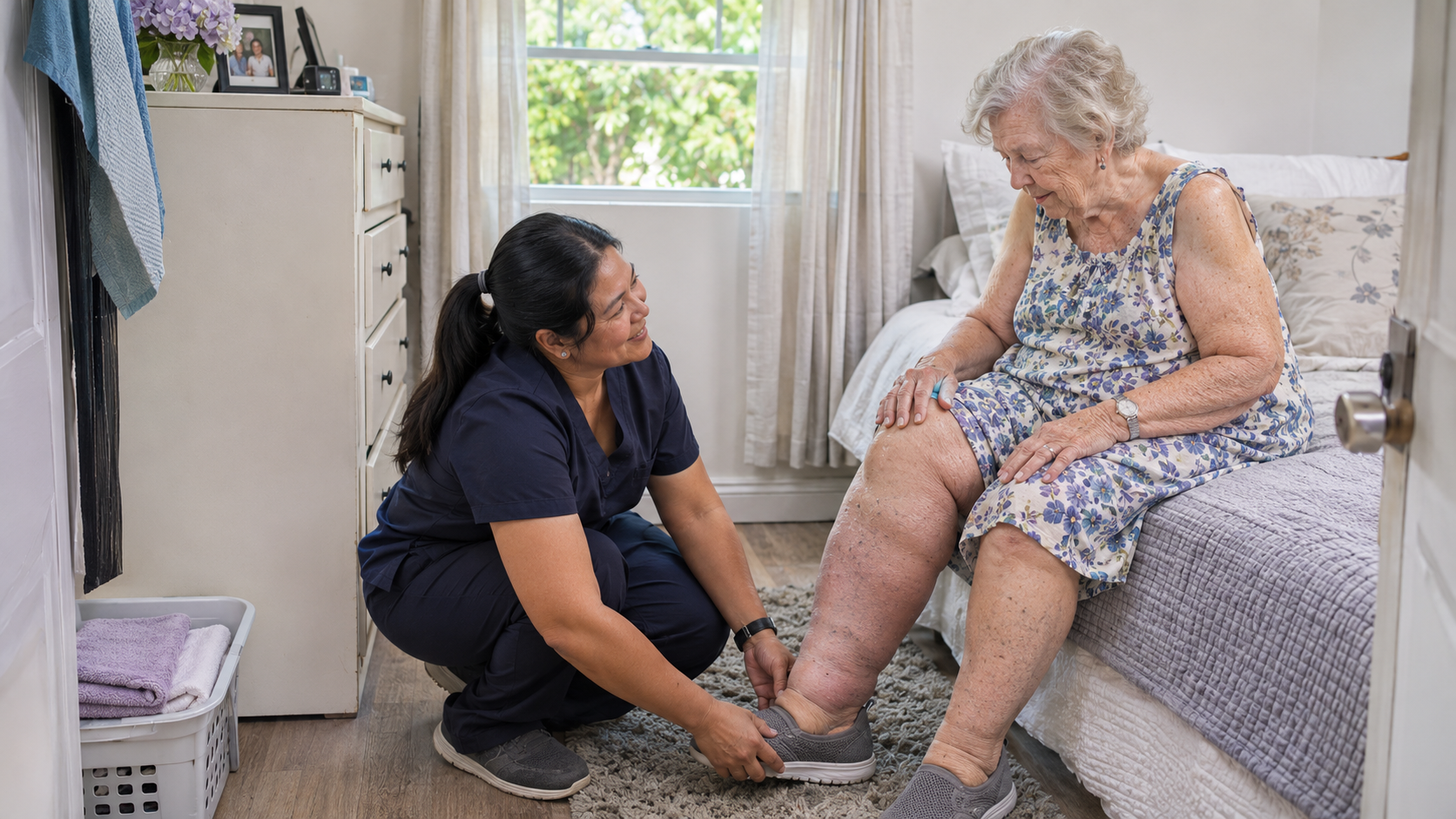
Angels Instead’s personal care services include help with daily living tasks such as bathing, dressing, grooming, toileting, mobility, meal preparation, laundry, and light housekeeping. The care plan can focus only on the tasks the older adult actually wants or needs help with.
3. Meals Can Become a Practical Problem for Reasons That Are Not Medical
Cooking for one can feel very different after years of sharing meals. The person who died may also have been the household cook, grocery shopper, or driver. A change in meals therefore does not automatically tell a family why the change happened.
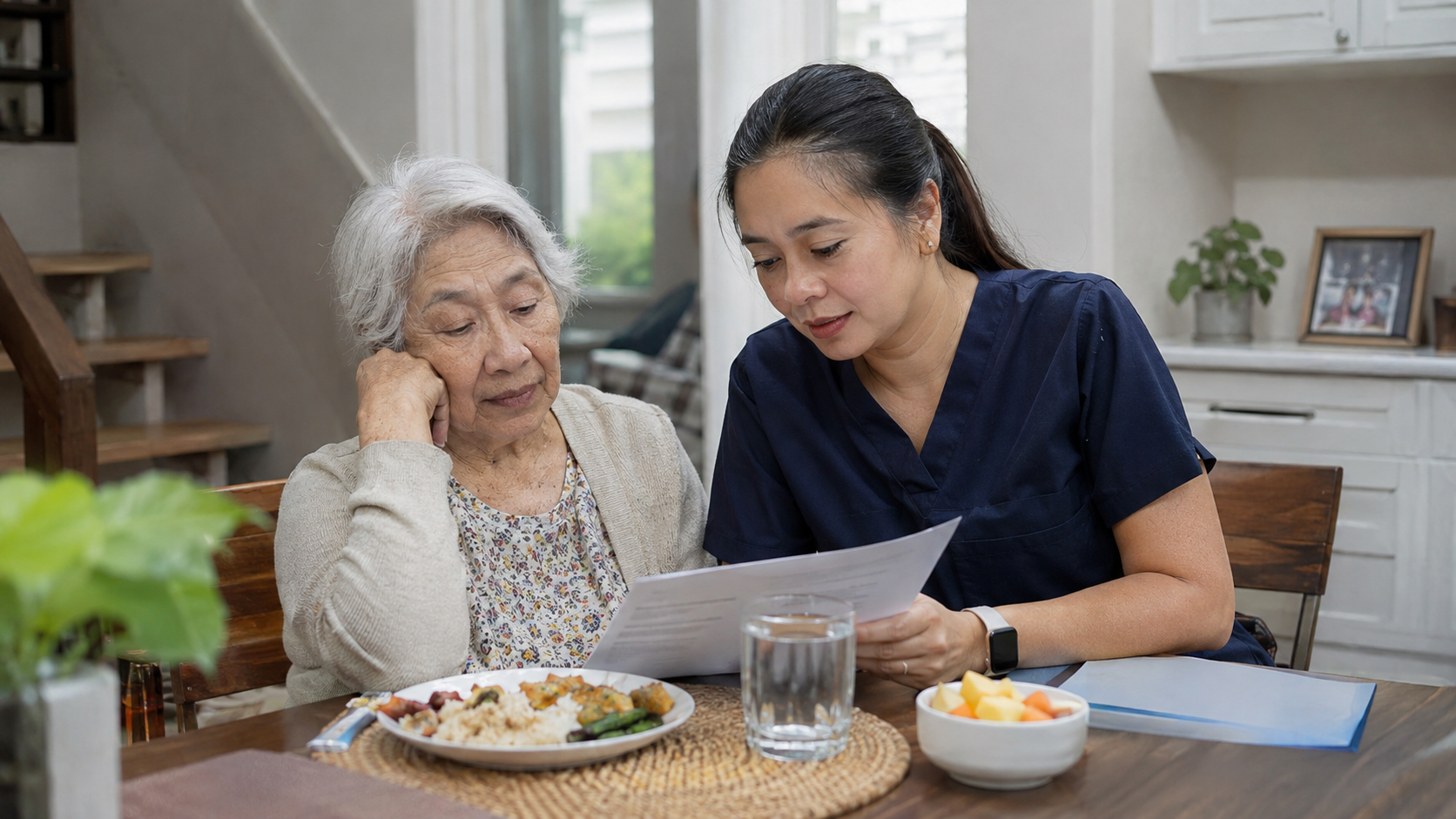
Home care can help with grocery shopping, meal preparation, serving food, kitchen cleanup, and keeping familiar foods available. The caregiver should not diagnose appetite changes, prescribe a diet, or assume that reduced eating is simply part of grief. Meaningful or concerning changes should be discussed with an appropriate healthcare professional.
Meal Support Without Pressure
|
4. Companionship Does Not Mean Keeping Someone Busy
A grieving older adult may want conversation one day and quiet company the next. Some people may want to talk about their spouse. Others may not. Respectful companionship follows the person rather than forcing an activity schedule.
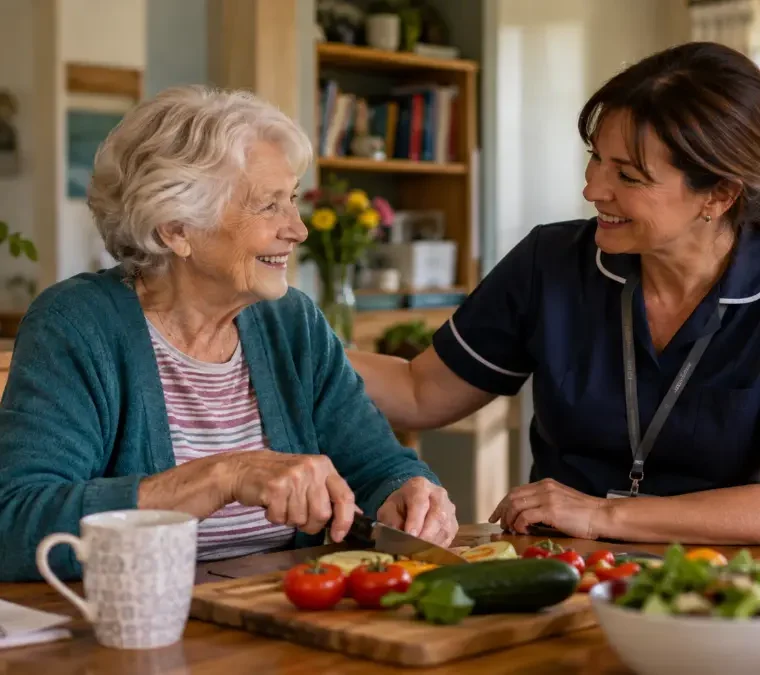
Angels Instead’s companionship care includes conversation, hobbies, outings, games, social engagement, appointment support, mail organization, and light household help. After spousal loss, those options can be used selectively. Sitting together over coffee, helping organize the day, accompanying the person on an errand, or simply being present may be enough.
Companionship should not be presented as grief counseling. A home caregiver is there to support ordinary life and human connection within the care plan, not to provide psychotherapy or determine whether grief is normal.
5. Transportation Gaps Can Quietly Shrink the Person’s World
If the spouse was the main driver, losing that transportation can affect much more than medical appointments. Grocery trips, religious services, hair appointments, visits with friends, community activities, and ordinary errands may suddenly become harder to reach.
Families should ask which trips matter to the older adult instead of assuming that only medical transportation is important. When transportation or escorted errands are included in the home care arrangement, the schedule can be built around the routines the person wants to keep.
6. Household Help Can Restore Order Without Erasing the Spouse
Laundry, dishes, light cleaning, grocery organization, and other household tasks can accumulate during bereavement. Practical help can reduce that workload, but caregivers should be careful with belongings that may carry strong meaning.
Do not reorganize personal items, remove a spouse’s belongings, clear closets, discard papers, or change rooms simply because the household looks different after the death. Those decisions belong to the older adult and family. Home care should support the home as it is being lived in now, not decide how quickly reminders of the spouse should disappear.
Respectful Household Support
|
7. Family Check Ins Should Focus on Function and Choice
Instead of repeatedly asking whether the older adult is feeling better, families can ask practical questions. What has been hardest this week? Which task would you like help with? Is there somewhere you want to go? Would you like someone to help with dinner, laundry, groceries, or an appointment?
These questions create room for support without requiring the person to perform emotional progress. They also help distinguish between a practical care gap and a need that belongs with a doctor, counselor, faith leader, support group, or another trusted professional.
8. Know When Home Care Is Not the Only Support Needed
National Institute on Aging guidance about coping with loss notes that people grieve differently and that support from loved ones, support groups, or professionals may help some people cope with loss.
Home care should not diagnose depression, decide how long grief should last, or interpret serious emotional changes. If an older adult expresses thoughts of self harm, appears to be in immediate danger, or has another urgent safety concern, seek emergency help. In the United States, call or text 988 for the Suicide and Crisis Lifeline, or call 911 for an immediate emergency.
When the Need Goes Beyond Daily Living Support
|
9. Build a Small Care Plan Around the Real Need
Support after spousal loss does not have to begin with a large schedule. A few carefully chosen tasks may be more useful than trying to fill every hour. The plan might focus on meals and groceries twice a week, transportation to regular activities, help with laundry, or companionship during a part of the day that has become especially difficult.
Families can review Angels Instead’s home care planning process and identify the routines, schedule, preferences, transportation needs, household tasks, and companionship style that fit the older adult. The plan can be adjusted as needs and preferences change.
Questions to Ask Before Starting Home Care
|
How Angels Instead Can Support Daily Routines After Spousal Loss?
For this topic, the relevant Angels Instead role is nonmedical home care. Depending on the individualized care plan, support may include companionship, meal preparation, grocery shopping and errands, transportation, personal care, mobility assistance, laundry, and light housekeeping. The purpose is to help with daily life while respecting the older adult’s choices, privacy, routines, and grief.
If the loss of a spouse has left practical gaps in everyday routines, contact Angels Instead to discuss which specific tasks and schedule would be useful. The care plan should be built around the person, not around assumptions about how grief should look.
Frequently Asked Questions
Does an older adult automatically need home care after a spouse dies?
No. Grief itself is not a reason to assume someone needs home care. Home care may be useful when the older adult wants help or when practical routines such as meals, transportation, personal care, errands, or household tasks are no longer being covered consistently.
Can a home caregiver provide grief counseling?
No. A non medical home caregiver can provide respectful companionship and practical daily support, but grief counseling and mental health treatment belong with appropriately qualified professionals.
What if the older adult does not want to socialize?
Do not force social activity. Companionship can be quiet and flexible. The person may prefer conversation, an errand, a familiar activity, shared television, or simply having someone present.
Can home care help if the deceased spouse handled cooking and shopping?
Yes. Depending on the care plan, a caregiver may help with grocery shopping, meal preparation, serving meals, kitchen cleanup, errands, and related household routines.
How soon should a family arrange home care after a spouse dies?
There is no universal grief timetable. Focus on the older adult’s wishes and the practical tasks that need coverage. Support can begin when the person wants help and the family identifies a useful role for home care.
When should a family seek professional help beyond home care?
Seek appropriate professional help when there are concerning emotional, medical, cognitive, or safety changes, when the older adult wants counseling or other grief support, or when there is any concern about self harm or immediate danger.