
Quick Answer: Home care for seniors with peripheral neuropathy can support the daily routines that become harder when numbness, tingling, pain, weakness, reduced sensation, or balance changes affect ordinary life. A nonmedical caregiver may help with bathing, dressing, meal preparation, mobility, light household tasks, companionship, and observing changes that should be reported. Diagnosis, treatment, medication decisions, wound care, clinical foot care, rehabilitation, and decisions about assistive devices belong with qualified healthcare professionals.
At a Glance: Where Home Care Fits
|
Peripheral Neuropathy Can Change Daily Life in More Than One Way
Peripheral neuropathy is not one single daily experience. It can affect sensation, movement, or both, and the cause can vary. MedlinePlus peripheral neuropathy overview explains that symptoms may include numbness, tingling, burning pain, weakness, difficulty using the hands or feet, trouble walking, and loss of balance. Those changes can turn ordinary routines into longer or more frustrating tasks.
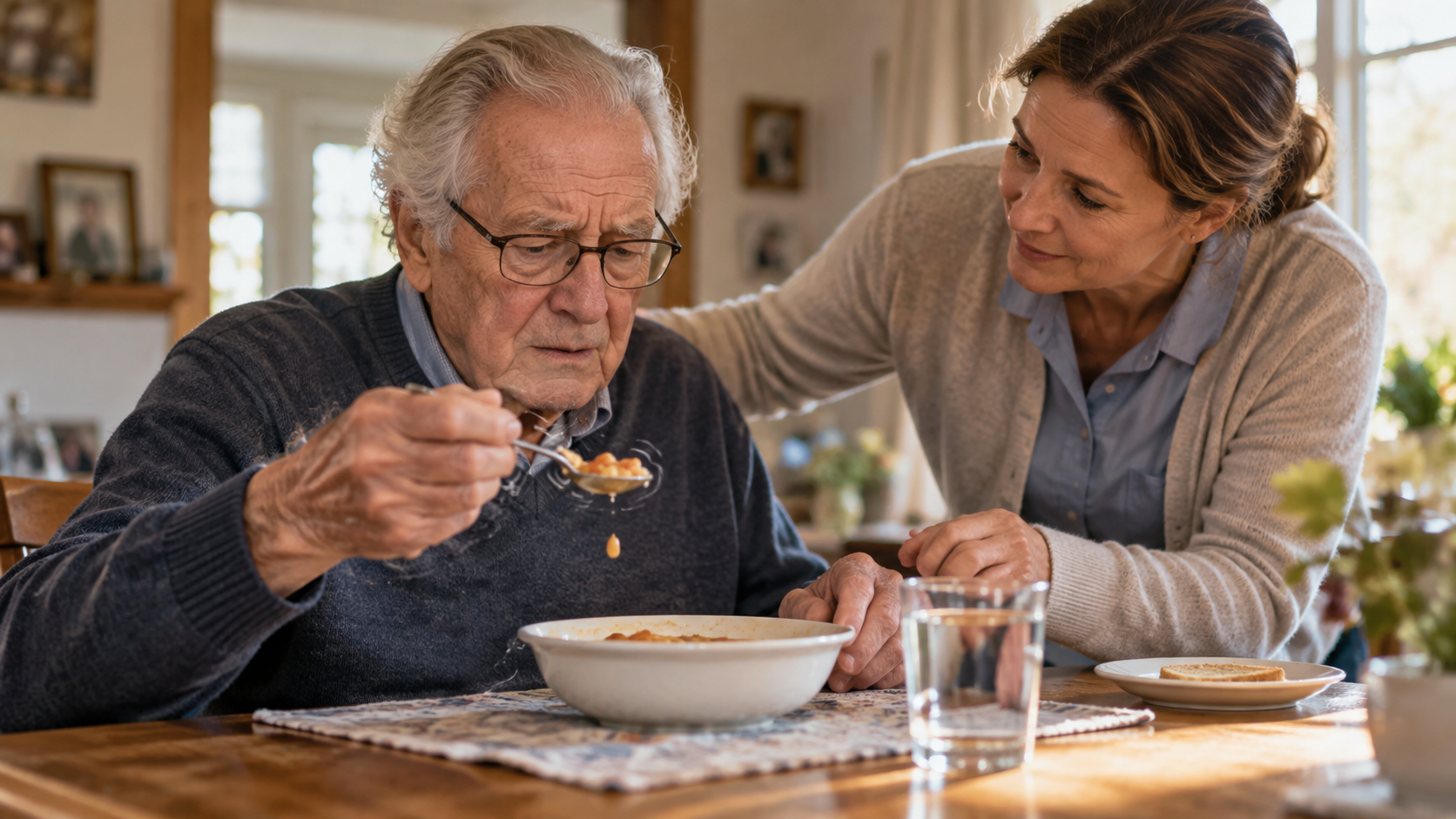
For one older adult, the main problem may be buttoning a shirt or holding kitchen items. For another, reduced feeling in the feet may make walking feel less certain. Someone else may be able to complete most tasks independently but need setup, supervision, or help on more difficult days. The home care plan should be based on what the person actually needs, not on the diagnosis alone.
Peripheral neuropathy can have many causes. Diabetes is one important cause, but it is not the only one. This article focuses on the practical daily living impact after a healthcare professional has evaluated the condition. It does not attempt to diagnose why numbness, pain, weakness, or balance changes are happening.
Daily Function Snapshot
|
1. Start With the Exact Task That Has Become Difficult
A diagnosis does not tell a family which part of the day needs help. Start with the task. Is the older adult struggling to manage buttons? Are they avoiding the shower? Do they leave meals unfinished because preparation is difficult? Are they holding furniture while walking through the home? Are family members doing more because they are worried about a fall or an unnoticed injury?
This task based approach protects independence. If the person can still wash their face, choose clothing, or prepare part of breakfast, there is no reason for a caregiver to take over those steps automatically. Good home care fills the gap that is creating difficulty while preserving choice and participation.
Angels Instead’s personal care services include support with bathing, dressing, grooming, toileting, mobility, meal preparation, laundry, and light housekeeping. For a senior with peripheral neuropathy, the care plan can identify which of those ordinary routines need assistance and which should remain independent.
2. Personal Care May Need More Time, Not More Control
Numbness, pain, weakness, or reduced hand control can make dressing and grooming slower. Small fasteners may be frustrating. Standing through a grooming routine may be tiring. Bathing may feel less predictable if the person has reduced sensation or balance concerns.
The caregiver’s role is practical. Prepare the environment. Place needed items within comfortable reach. Give the person enough time. Offer the level of assistance written into the care plan. Ask before stepping in, especially with private routines. The goal is dignity and completion, not speed.
Personal Care Check
|
3. Reduced Sensation Creates a Clear Medical Boundary
NIDDK guidance on peripheral neuropathy notes that peripheral neuropathy in people with diabetes can involve burning, tingling, numbness, pain, weakness, changes in walking, and loss of balance. This guidance is specifically within the context of diabetes, so it should not be used to assume that every person with peripheral neuropathy has diabetes.
Reduced sensation can also mean an injury is not noticed right away. That is where families need a firm boundary between observation and clinical care. A nonmedical caregiver can notice an observable change and report it according to the care plan. The caregiver should not diagnose a wound, decide whether circulation is adequate, trim problem nails, treat a sore, choose a medical dressing, or perform a clinical foot examination.
If a healthcare professional has provided specific instructions for skin or foot monitoring, the family should make sure everyone understands who is responsible for carrying them out. New sores, redness, swelling, drainage, color changes, or other concerning changes should be reported according to the person’s clinical instructions. An immediate threat to life or safety belongs with emergency services.
Foot and Skin Boundary
|
4. Mobility Support Should Follow an Established Method
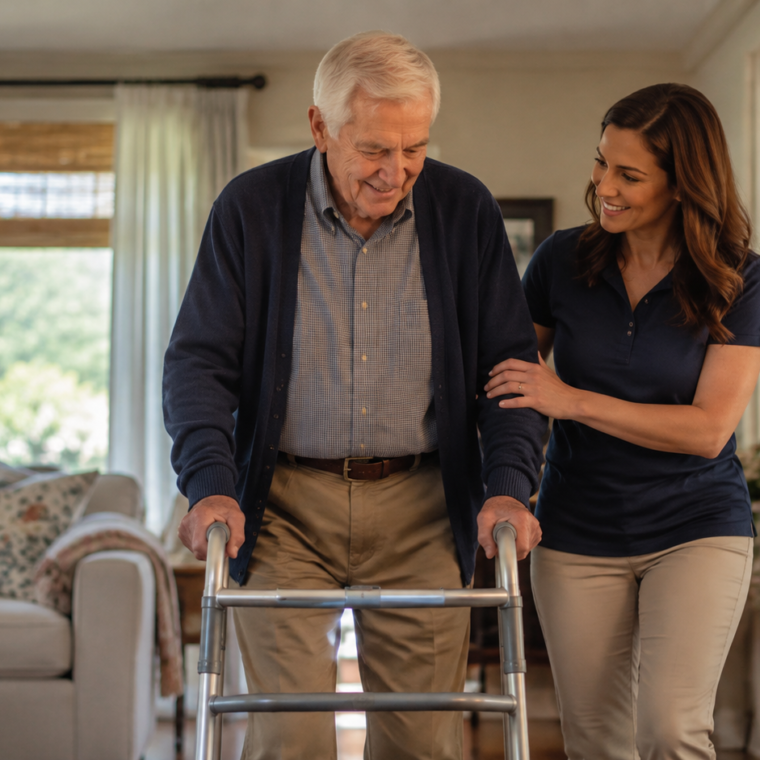
Peripheral neuropathy may affect balance, walking, foot position awareness, or muscle control. That does not mean every person needs the same mobility help. Some people may only need a clear pathway and more time. Others may already use a cane, walker, wheelchair, or an established transfer method recommended by a professional.
A nonmedical caregiver should support the mobility routine already documented for the person and within agency training and scope. The caregiver should not invent a transfer technique, prescribe a device, adjust equipment, or create an exercise program. If the person’s ability is meaningfully different from the current plan, that change should be reported rather than solved through improvisation.
Families who are still deciding what level of help is needed can review Angels Instead’s home care planning information and discuss the exact daily tasks, schedule, preferences, and mobility needs that should appear in the care plan.
Mobility Safety Snapshot
|
5. Meal Support Can Reduce Work Without Creating a Medical Diet
Hand symptoms can affect opening containers, holding utensils, carrying cookware, or preparing ingredients. Leg symptoms may make prolonged standing in the kitchen more difficult. In those situations, meal preparation support can reduce the practical workload of the day.
The boundary is important. A caregiver can prepare food according to the person’s established preferences and medical instructions. A caregiver should not create a therapeutic diet, recommend supplements, change a diabetes plan, or decide that a symptom is caused by food or blood sugar. If a clinician or dietitian has provided dietary instructions, home care can help the household follow the established routine without replacing that professional guidance.
6. Light Household Help Can Protect Energy for More Important Tasks
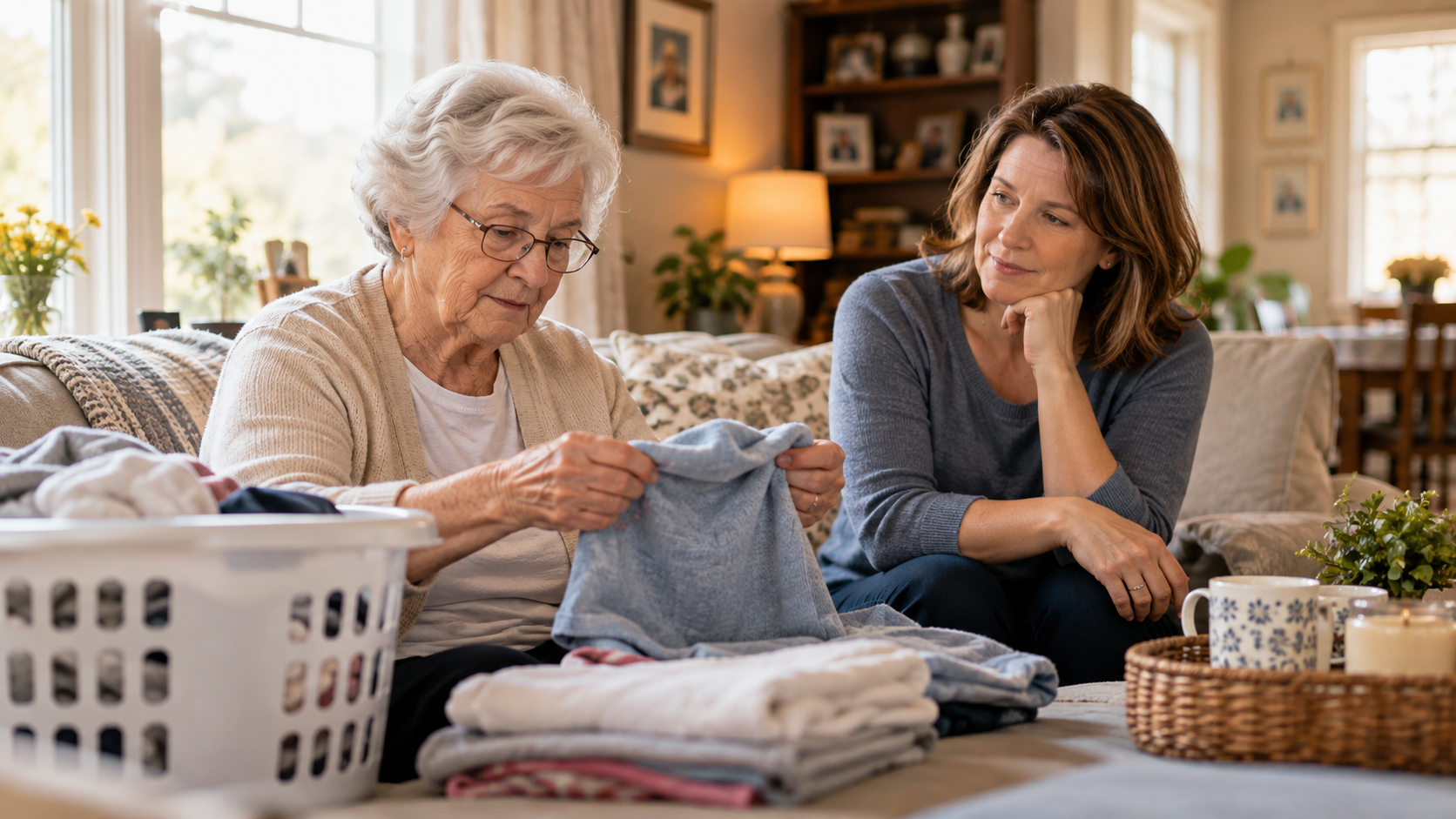
Laundry, dishes, changing linens, carrying household items, and basic tidying can become disproportionately difficult when pain, weakness, reduced sensation, or balance concerns are present. Those chores may also compete with the energy needed for bathing, meals, appointments, or social activity.
A practical care plan can move some of that workload away from the older adult while still keeping them involved in the routines they value. The aim is not to make the person passive. It is to reduce unnecessary strain and preserve capacity for the parts of the day that matter most.
7. Companionship Matters When Frustration Starts Shrinking the Day
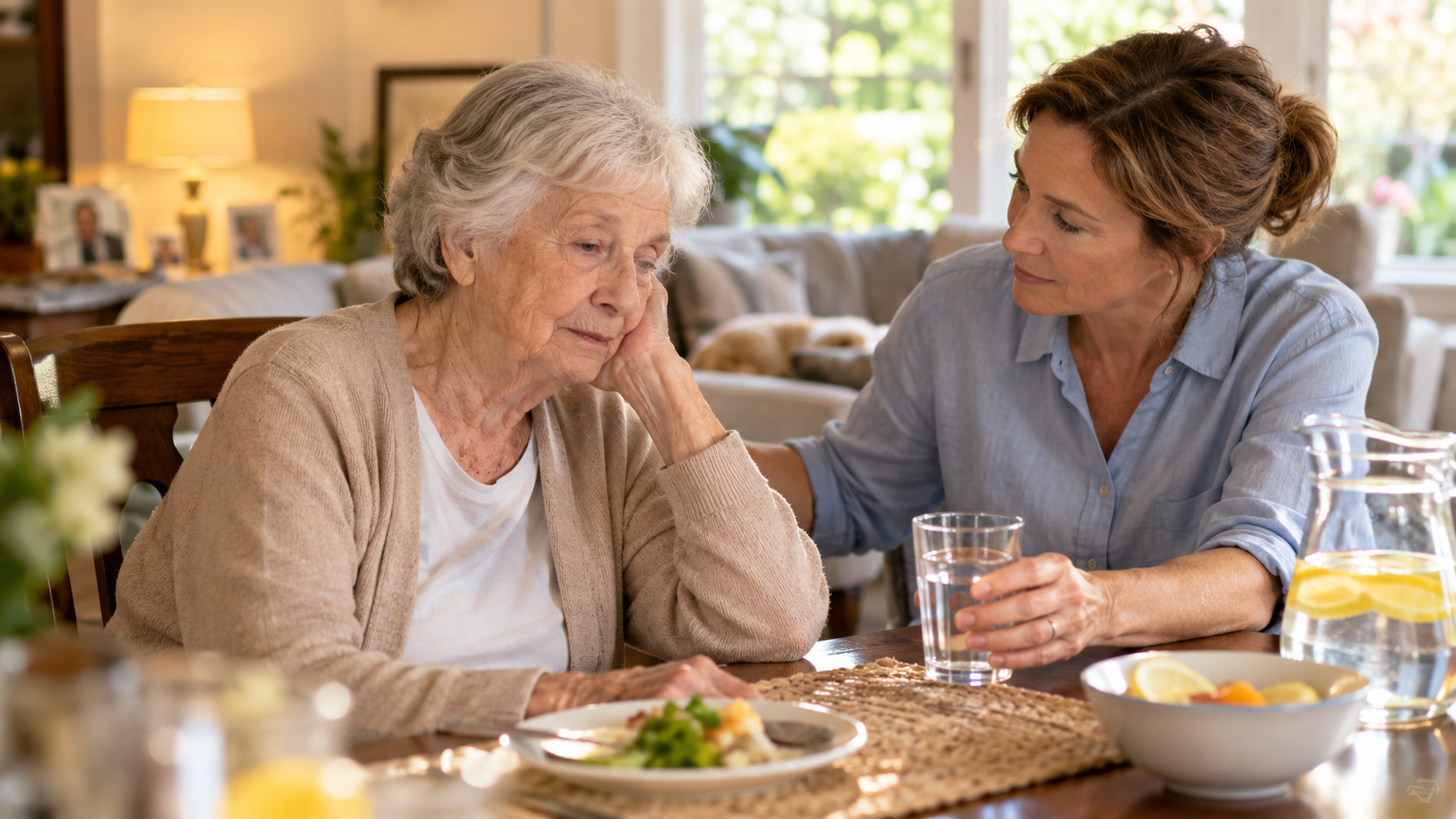
Physical difficulty can quietly change behavior. An older adult may stop cooking because handling kitchen items is frustrating. They may decline outings because walking feels uncertain. They may spend more time alone because getting ready takes too much effort. Those changes do not automatically mean depression or cognitive decline.
When the person wants company or help keeping a familiar routine, Angels Instead companionship care can support conversation, hobbies, light activities, appointments, and everyday social connection. Companionship should follow the person’s preferences rather than pushing activity simply to keep them busy.
8. Know Which Changes Belong With the Healthcare Team
Home care works best when families are clear about what caregivers should observe and what requires clinical follow up. A caregiver can describe what happened: a new fall, a new sore, more difficulty using one hand, a change in walking, or a routine that suddenly takes much longer. The caregiver should not decide what caused the change.
New or rapidly worsening numbness, weakness, difficulty walking, repeated falls, or loss of movement or feeling should be discussed with an appropriate healthcare professional. Sudden neurologic symptoms, loss of consciousness, severe breathing difficulty, or another immediate threat to life or safety require emergency evaluation.
Questions to Ask Before Starting Home Care
|
How Angels Instead Can Fit Into a Peripheral Neuropathy Care Plan?
For this topic, the relevant Angels Instead role is nonmedical home care. The current service scope includes help with activities of daily living, personal care, light housekeeping, transportation, meal support, mobility assistance, companionship, medication reminders, errands, and customized care planning. The exact services used should come from the individual assessment and care plan.
A useful plan does not begin with the question, “What can a caregiver do for neuropathy?” It begins with, “Which daily tasks are becoming difficult, what does the person want to keep doing, and where would the right amount of help make the day easier?” That keeps the plan centered on function, dignity, and the person’s real routine.
To discuss the daily tasks that are becoming difficult, contact Angels Instead and request a current care plan discussion for your family’s needs in Greater Houston or the Dallas area.
Frequently Asked Questions
Can home care treat peripheral neuropathy?
No. Nonmedical home care does not diagnose or treat peripheral neuropathy. It can support daily routines while qualified healthcare professionals manage diagnosis, treatment, medication, rehabilitation, and clinical monitoring.
What can a home caregiver do for a senior with peripheral neuropathy?
Depending on the care plan and agency scope, support may include bathing, dressing, grooming, meal preparation, mobility assistance, light housekeeping, companionship, errands, and observation of changes that should be reported.
Can a caregiver check a senior’s feet for problems?
A caregiver may notice and report visible changes within the care plan, but clinical foot examinations, wound assessment, treatment, nail care for high risk feet, and decisions about circulation or infection belong with qualified healthcare professionals.
Does peripheral neuropathy always come from diabetes?
No. Diabetes is an important cause, but peripheral neuropathy has multiple possible causes. A healthcare professional should evaluate the cause rather than a family or home caregiver assuming it is diabetes.
Can home care prevent falls caused by neuropathy?
Home care cannot guarantee that falls will be prevented. It can support an established mobility routine, reduce avoidable household obstacles, provide the level of assistance in the care plan, and report meaningful changes that may need clinical review.
When should a family update the home care plan?
Update the plan when daily function, mobility, personal care needs, schedule, preferences, or clinician instructions change. A sudden or serious change may need medical evaluation before the care plan is adjusted.