
Houston hurricane senior care requires more than bottled water, batteries, and a weather app. If an older adult depends on family for meals, medication reminders, mobility, toileting, supervision, or transportation, a storm can interrupt the care system long before the power goes out.
A useful hurricane plan answers four questions before conditions become dangerous: What care cannot be missed? Who can provide it safely? When should the older adult evacuate or shelter in place? And what happens if the normal caregiver or home-care schedule cannot operate?
Planned in-home respite care can support preparation and recovery when conditions are safe and service is confirmed. It is not hurricane rescue, emergency transportation, shelter, medical response, or guaranteed storm-time staffing.
The Difference Between a Hurricane Kit and a Care Continuity Plan
An emergency kit keeps supplies available. A care-continuity plan keeps essential routines from disappearing when roads flood, electricity fails, pharmacies close, or the primary caregiver cannot reach the home.
Houston Office of Emergency Management advises households to make a plan, prepare supplies, register for official alerts, and follow evacuation instructions. For people with disabilities or additional assistance needs, Houston OEM also recommends including home-care providers in the emergency plan and considering STEAR when appropriate.
For an older adult, the practical question is not only “What supplies do we have?” It is “What still has to happen at breakfast, midday, bedtime, and overnight if our normal routine breaks?”
Start With a 24-Hour Care Snapshot
Before assigning backup people, write down one normal day. Separate essential care from tasks that can safely wait.
- Meals, hydration, dietary restrictions, and safe food textures.
- Medication-reminder times, pharmacy information, and medicines with special storage requirements.
- Bathing, dressing, grooming, toileting, and continence support.
- Walking, transfers, wheelchair use, fall precautions, and assistive devices.
- Memory support, hearing or vision limitations, communication preferences, and calming routines.
- Powered medical equipment, charging needs, backup batteries, oxygen arrangements, and the responsible clinical provider.
- Pets, home access, alarm instructions, and where essential supplies are stored.
If a task requires nursing judgment, wound care, injections, therapy, medical monitoring, or medical-equipment management outside a non-medical caregiver’s scope, coordinate with the appropriate clinician or home health provider. A hurricane does not make a clinical task safe for an unqualified person to perform.
Use a Three Stage Hurricane Care Plan
Stage 1: Before Conditions Become Dangerous
This is the window for care assessments, caregiver introductions, supply checks, transportation planning, and decisions that require normal roads and normal communication.
- Name one primary decision-maker and at least two alternates. Add an out-of-area contact who may be easier to reach if local networks are overloaded.
- Confirm where the older adult will shelter and what would trigger evacuation. Test whether mobility equipment and essential supplies can actually travel with them.
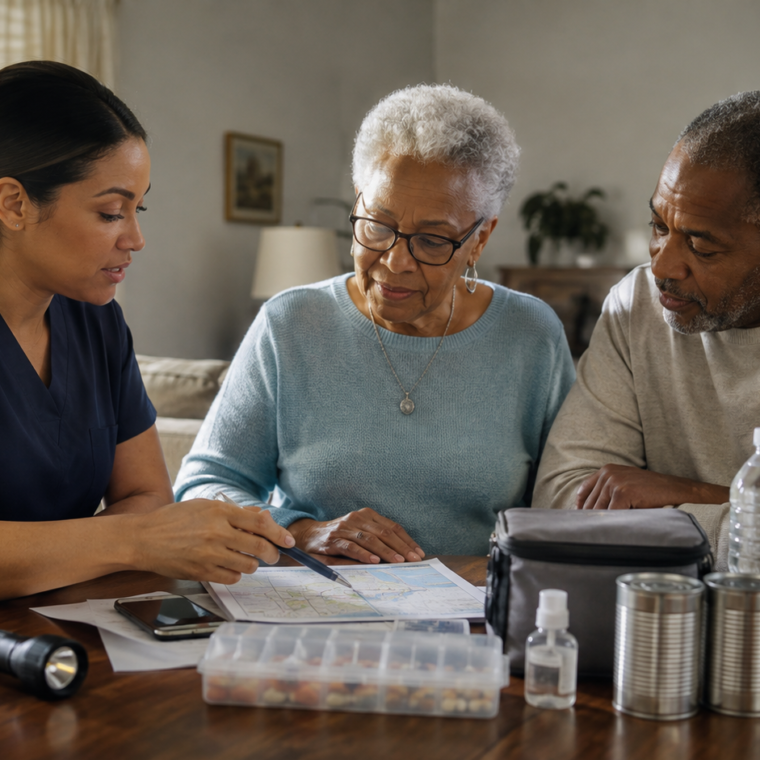
- Create a portable care summary with emergency contacts, medications, allergies, physician and pharmacy details, mobility level, communication needs, daily routines, and insurance information.
- Build supplies around the person, not a generic checklist. Include continence products, hearing-aid batteries, glasses, mobility accessories, chargers, familiar foods, hygiene items, and pet supplies when relevant.
- Put critical phone numbers on paper and register for official alerts. Do not rely on one phone, one relative, or social media for emergency information.
- Confirm how an approved caregiver or relative can enter the home, while making clear that no one should drive through floodwater, ignore road closures, or violate evacuation orders.
Stage 2: During a Watch, Warning, Evacuation, or Unsafe Travel Period
Once travel becomes hazardous, the plan changes from convenience to safety. Follow official instructions rather than trying to preserve a normal home care schedule at any cost.
CDC hurricane preparedness guidance emphasizes planning ahead, gathering emergency food, water, medicine, power sources, and important documents, and following authorities on whether to evacuate or stay home.
At this stage, do not assume a respite caregiver can reach the home. If the household is under an evacuation order, roads are flooded, utilities are unsafe, or the environment places the senior or caregiver at risk, emergency instructions take priority over the planned visit.
Stage 3: After the Storm Restart Care Deliberately
The storm passing does not automatically mean the care environment is safe. Roads, electricity, water, refrigeration, home access, and building conditions may still be disrupted.
Before restarting normal care, confirm that the home can be reached safely, that utilities and essential equipment are usable, that food and medications are safe, and that the older adult’s condition has not changed. If needs or risks have changed, the care plan should change with them.
Medication and Power Outage Planning Need a Specific Rule
Medication storage deserves its own line in the hurricane plan. Identify which medicines require refrigeration and know who to contact if power is lost.
CDC power-outage guidance explains that some medicines require refrigeration to maintain strength. Because instructions vary by medication, follow the drug label and contact the pharmacist or prescribing clinician rather than inventing a storage method.
Do not change doses, discard a life sustaining medicine, or place medication directly against ice based only on generic online advice. Prepare an approved backup plan before hurricane season whenever refrigerated medication is essential.
Should the Older Adult Register for STEAR?
Texas residents with disabilities, medical fragility, limited mobility, communication barriers, transportation needs, personal care needs, or other access and functional needs may consider the State of Texas Emergency Assistance Registry (STEAR). Registration is free and voluntary.
STEAR is a planning resource, not a guaranteed ride, shelter bed, caregiver, or emergency service. Texas explicitly states that registration does not guarantee a specific service and that available assistance varies by community. Houston OEM also advises residents who use STEAR to register each year.
Where Angels Instead Can Fit and Where It Cannot
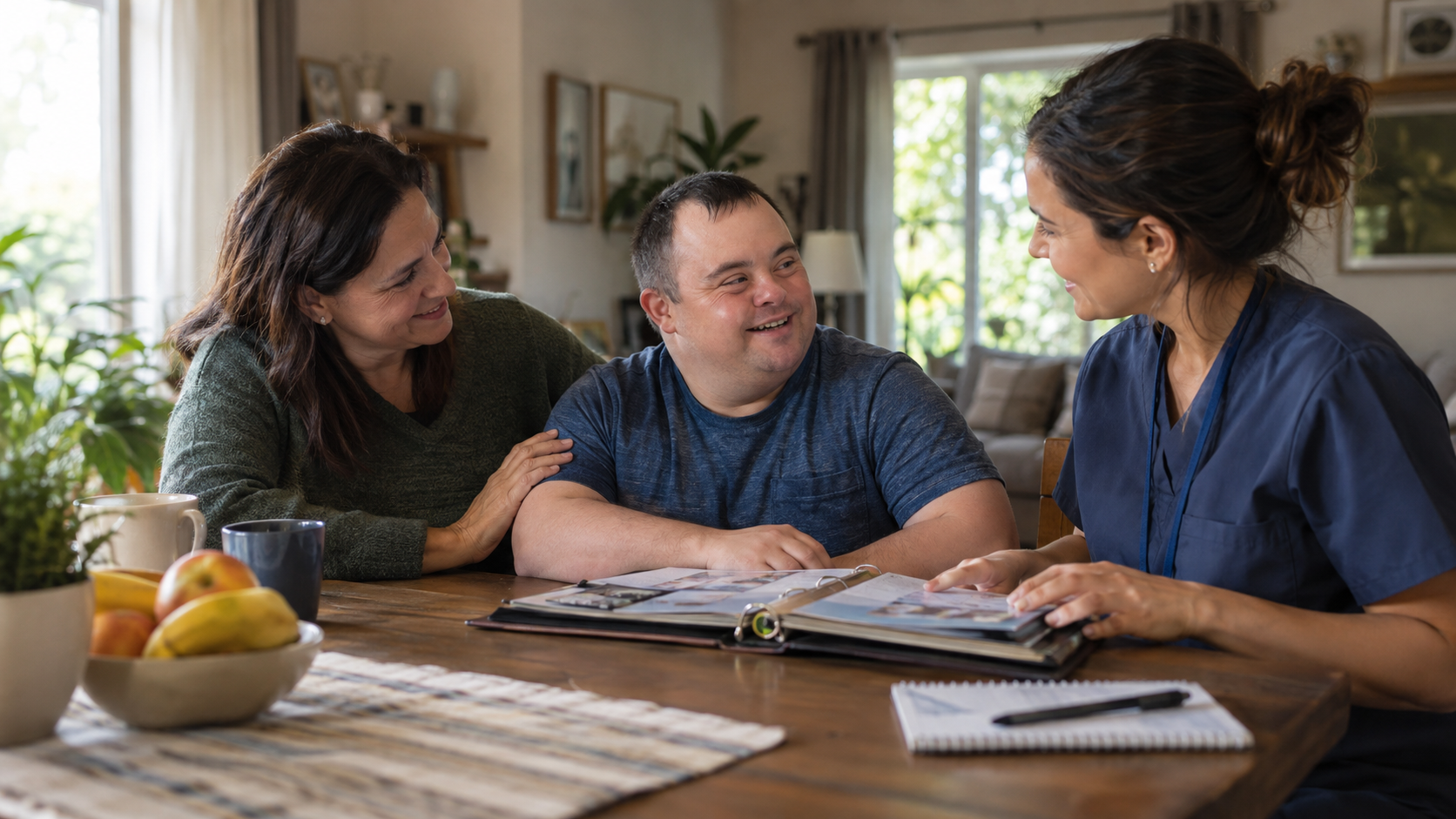
Before storm conditions become unsafe, planned respite may give a family caregiver time to prepare the home, gather supplies, attend appointments, rest, or coordinate transportation while the older adult receives agreed support.
After a storm, confirmed home care visits may help restore meals, routines, companionship, personal care, and mobility support while the family handles repairs and recovery. Availability depends on assessment, staffing, location, road access, utilities, and whether the home can be entered safely.
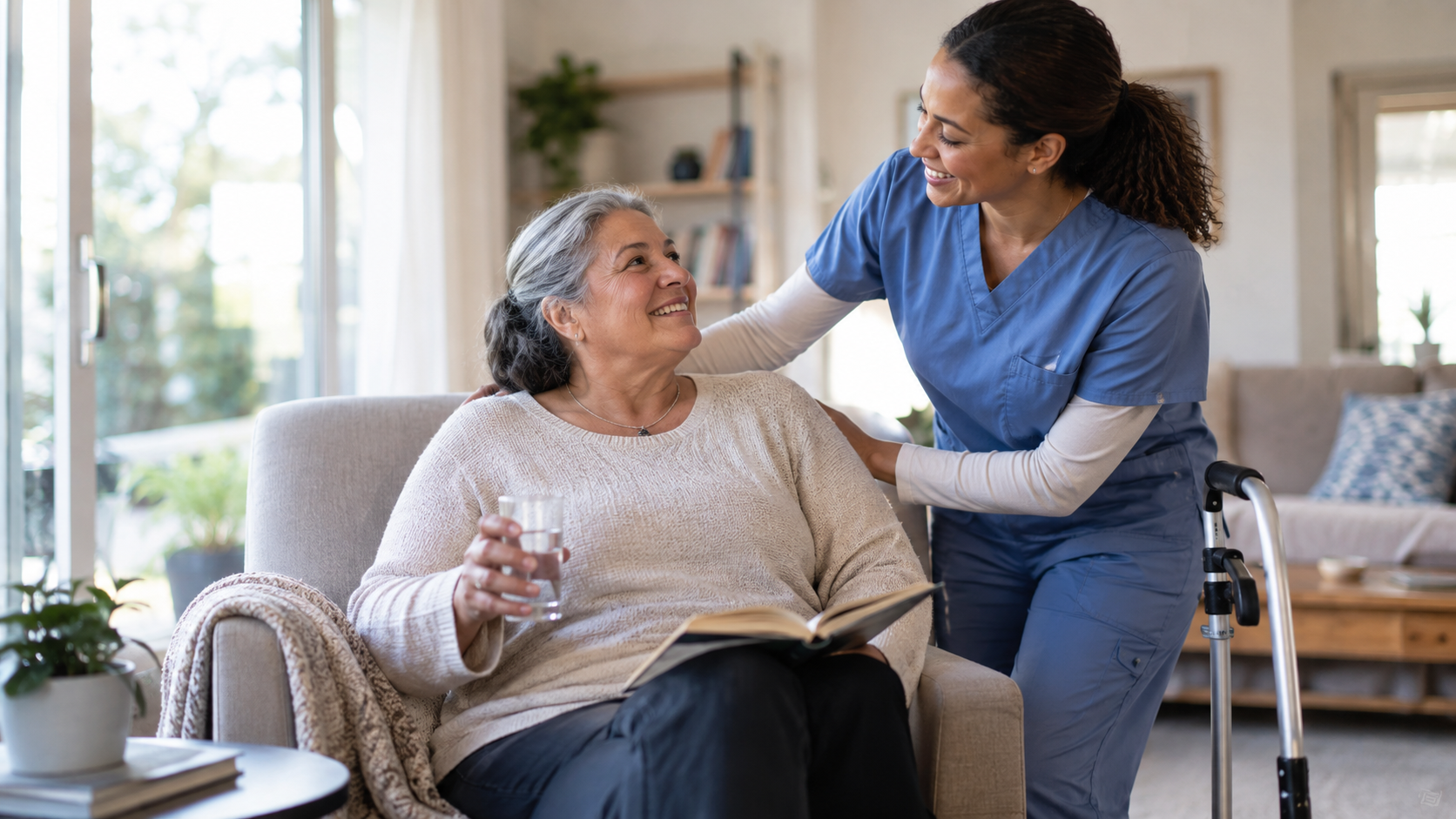
If the older adult needs bathing, dressing, grooming, toileting, or similar daily living assistance, review Angels Instead personal care. For walking, wheelchair, transfer, and fall risk support, review mobility assistance within the agreed care plan.
The boundary is critical: Angels Instead should not be positioned as disaster rescue, emergency medical transport, shelter, evacuation authority, emergency nursing, or guaranteed hurricane coverage.
Build a Three Level Backup Care System
- Primary care plan: Write the normal family or professional caregiver schedule and the essential tasks each person performs.
- Secondary care plan: Assign relatives, neighbors, or trusted contacts specific non-clinical duties such as safe supply delivery, pet care, check-in calls, or transportation when roads are open.
- Emergency plan: Define when the family will evacuate, call 911, contact a clinician, or follow instructions from Houston and Harris County officials.
Match people to tasks. A neighbor who can bring groceries may not be able to assist with transfers. A relative willing to stay overnight may not understand dementia related behaviors. A backup plan is only useful when the assigned person can safely do what the plan asks.
A 15 Minute Hurricane Care Readiness Drill
Before hurricane season and again when a serious storm enters the Gulf, test the plan instead of merely rereading it.
- Call the primary and alternate family contacts. Confirm the numbers still work.
- Locate the printed care summary, identification, medication list, and evacuation information.
- Check at least one safe backup power source for phones and essential equipment.
- Confirm the older adult’s evacuation destination and transportation plan.
- Open the emergency supply area and verify medications, water, hygiene items, continence products, mobility accessories, and pet supplies.
- Ask: “If the regular caregiver cannot reach this home tomorrow, who is doing breakfast, toileting, medication reminders, mobility support, and the evening routine?”
If the family cannot answer that final question without improvising, the backup care plan is not finished.
Review the Plan Before Every Hurricane Season
The Atlantic hurricane season runs from June 1 through November 30. Houston OEM identifies August and September as peak months locally. Severe weather and flooding, however, can occur outside a named hurricane.
Review the care plan at least annually and whenever the older adult’s condition, medication list, equipment, address, caregiver schedule, transportation, or decision maker changes. Replace expired supplies, verify contacts, update documents, test batteries, and ask the older adult what would help them feel calmer and more prepared.
Prepare the Care Plan Before the Forecast Becomes Urgent
The strongest hurricane plan does not depend on a family caregiver becoming a storm responder. It separates ordinary daily care, backup family help, and true emergency response before anyone is under pressure.
Angels Instead provides non-medical respite and daily-living support in Houston and surrounding communities. Confirm the current service areas and discuss the senior’s routine, personal-care needs, mobility requirements, and the care gaps that could appear before or after a storm while normal scheduling and safe travel are still possible.
When your family is ready, contact Angels Instead for a free, no-obligation care assessment. Storm time availability cannot be promised, so the assessment should strengthen not replace your family’s emergency plan.
Frequently Asked Questions
Can a respite caregiver stay with a senior during a hurricane?
Do not assume storm-time coverage is available. Road conditions, evacuation orders, flooding, utilities, staffing, the home environment, and caregiver safety all matter. Families need an evacuation and emergency plan that does not depend on one agency reaching the home during dangerous conditions.
What should be in an emergency kit for an older adult?
Start with water, appropriate food, medications, essential documents, flashlights, batteries, chargers, first-aid and hygiene items. Then customize the kit for continence needs, mobility devices, hearing or vision needs, communication requirements, safe food textures, medical equipment, and pets.
Should an older adult register for STEAR?
STEAR may be useful for Texans with disabilities, medical fragility, limited mobility, transportation needs, personal-care needs, communication barriers, or other access and functional needs. Registration is voluntary and free, but it does not guarantee a specific emergency service.
How should families prepare refrigerated medications for a power outage?
Identify which medicines require refrigeration before hurricane season. Follow the medication label and ask the pharmacist or prescribing clinician what to do during an outage. Do not improvise storage, change doses, or make discard decisions based only on generic online advice.
When should a family call 911 instead of a home care agency?
Call 911 for immediate threats to life or safety, serious symptoms or injuries, fire, flooding danger, suspected carbon-monoxide poisoning, or another emergency. Non medical home care does not replace emergency responders, evacuation services, skilled nursing, or clinical treatment.
| EDITORIAL SAFETY NOTE
This article provides general caregiving and emergency-preparedness information. Follow current local emergency instructions and the older adult’s healthcare plan. Call 911 for an emergency. |