

Quick answer: Glaucoma home care for seniors can make everyday routines more manageable when changes in vision affect movement around the home, finding belongings, reading labels, or getting to eye appointments. Nonmedical caregivers can provide practical assistance, but glaucoma diagnosis, eye-drop prescriptions, treatment decisions, and vision rehabilitation remain with qualified professionals.
At a Glance: Practical Home Support
- Ask which everyday tasks have become harder rather than assuming every person with glaucoma has the same needs.
- Keep walking routes and frequently used belongings predictable; do not rearrange a room without asking.
- Offer agreed assistance with personal care, meals, household tasks, and appointment logistics.
- Use the older adult’s preferred communication style and preserve their independence.
- Refer new vision changes and treatment questions to an eye care professional.
An older adult might know exactly where the kitchen table is but still find a chair moved into the walkway unsettling. Another may have trouble noticing an object off to one side or navigating a dim hallway. Families can help most by asking what is changing in everyday life, not by assuming a glaucoma diagnosis automatically means someone needs full-time assistance.
Glaucoma is a group of eye diseases that damage the optic nerve and can cause permanent vision loss. Many people notice no symptoms early on. According to the National Eye Institute’s glaucoma overview, changes may eventually affect side vision, and comprehensive dilated eye exams are important for detection. A nonmedical caregiver cannot determine glaucoma severity by observing how someone moves around the house.
1. Start With the Person’s Actual Vision-Related Difficulties
Ask what feels less predictable: walking through a crowded room, locating items on a shelf, managing breakfast, or getting ready to leave the house. Some seniors with glaucoma have few noticeable limitations; others may need practical assistance. Write down the specific tasks the person wants help with and revisit the list as needs change.
- Ask permission before offering physical guidance.
- Let the person explain where help is welcome and where they prefer independence.
- Keep daily essentials in consistent, agreed locations.
- Describe changes in the environment clearly instead of moving objects without notice.
2. Keep Pathways Familiar and Reduce Avoidable Obstacles
Some people with glaucoma develop peripheral, or side, vision loss, making objects near the edge of their view harder to notice. This does not happen in the same way for everyone. The National Eye Institute describes peripheral vision loss as a possible later symptom. Families can help keep routes clear and lighting consistent, but these household measures do not replace an eye examination or professional fall-risk assessment.
- Keep bags, shoes, and cords out of commonly used walkways.
- Ask before moving chairs, side tables, or storage baskets.
- Make sure the older adult can locate frequently used items without unnecessary searching.
- Discuss any recurrent trips, falls, or new navigation problems with the appropriate healthcare professional.
If the senior uses a cane, walker, or other mobility aid, caregivers should follow the existing care plan and any professional guidance rather than selecting or modifying equipment themselves.
3. Offer Personal Care Assistance Without Taking Over
Bathroom routines and getting dressed can become more frustrating when visual cues are less reliable. Depending on the individual care plan, a caregiver can set out clothing, identify requested supplies, provide agreed assistance with grooming or bathing, and give the senior time to complete steps independently.
For help with bathing, dressing, grooming, toileting, and mobility within an agreed care plan, families can review Angels Instead’s nonmedical personal care services. The older adult should remain involved in deciding which tasks require assistance.
4. Make Meals and Household Routines More Predictable
A familiar kitchen routine may be easier when utensils, dishes, and food supplies stay in consistent locations. Nonmedical caregivers may assist with meal preparation, grocery organization, light housekeeping, and laundry, based on the senior’s preferences and agreed care plan.
- Ask which foods and utensils the person wants kept within easy reach.
- Explain where prepared meals or beverages have been placed.
- Keep counters and tables free of unnecessary clutter.
- Invite the senior to participate in activities they still enjoy doing safely.
Do not infer that glaucoma requires a special diet or recommend supplements as treatment. Those questions belong with the person’s clinician.
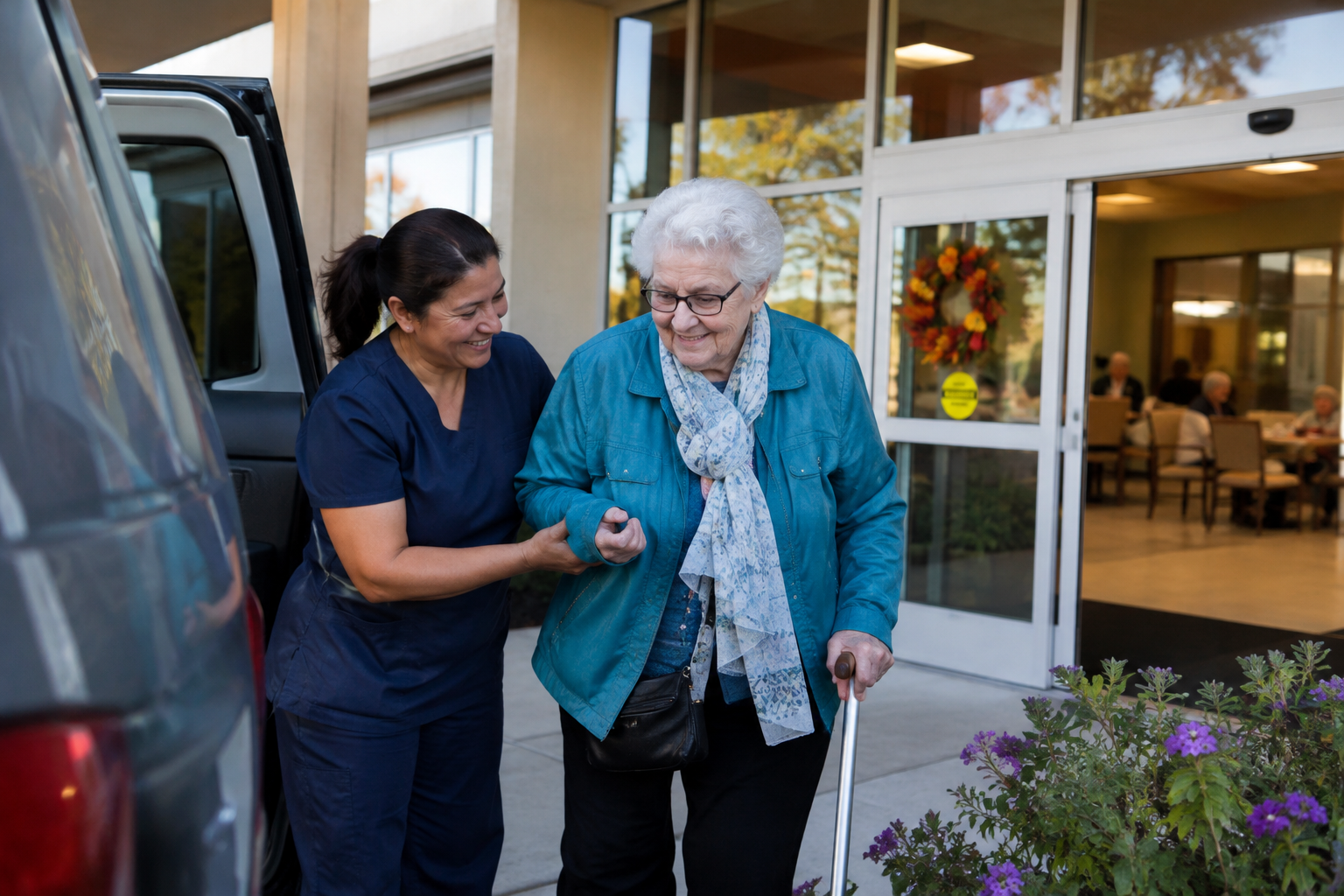
5. Help With Eye Appointments, Not Eye Treatment
Glaucoma often requires ongoing eye care, including follow-up examinations and treatment directed by an eye care professional. MedlinePlus explains glaucoma diagnosis and treatment, including the role of eye exams and prescription eye drops. A caregiver may help organize appointment dates, transportation arrangements, paperwork, and questions for the clinician. The caregiver does not make treatment decisions.
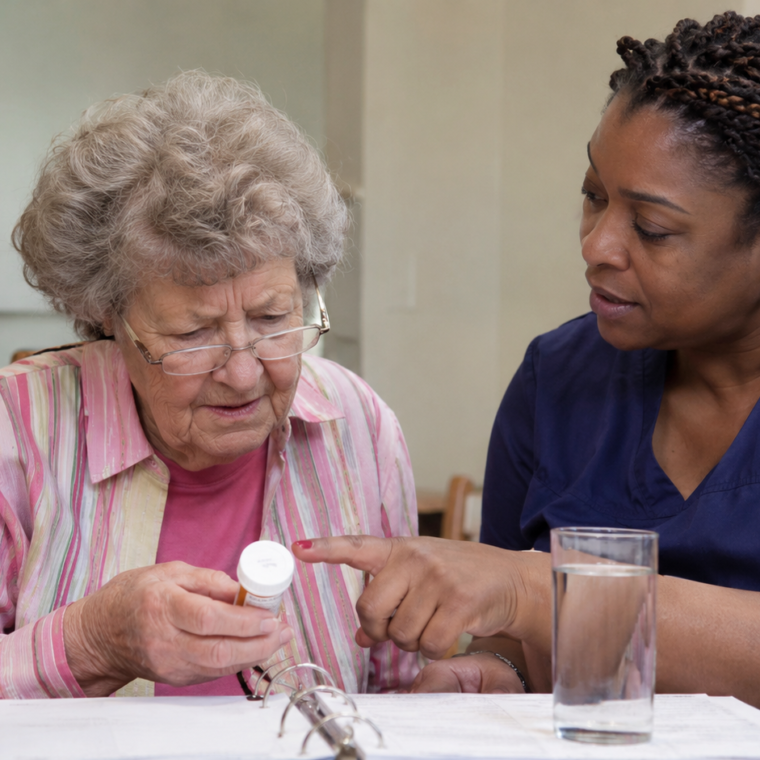
Caregivers must not independently change eye-drop schedules, stop prescribed drops, administer medication outside their authorized scope, or treat a missed appointment as unimportant. Families can discuss a non medical care arrangement with Angels Instead and confirm exactly which reminder or logistical tasks the agency permits.
6. Know When a Vision Change Needs Medical Attention
Gradual changes in everyday navigation deserve discussion with an eye care professional. Sudden loss of vision or severe eye pain, especially with redness, headache, nausea, or blurred vision, requires immediate medical attention. The National Eye Institute’s explanation of glaucoma types identifies acute angle-closure glaucoma as a medical emergency. Seek emergency care rather than waiting for the next routine visit.
The NEI notes that angle-closure glaucoma can be a medical emergency. Nonmedical home care is not a way to assess or treat an acute eye problem.
7. Keep Communication Useful and Respectful
Families benefit from short, factual updates. “Asked for help locating a cup on the upper shelf” is useful; “glaucoma is getting worse” is a medical conclusion the caregiver should not make. Share observations only with appropriate consent and through the established care process.
- Which tasks required more help than usual?
- Did the senior request any changes to room setup or routine?
- Were eye appointments or other planned outings affected?
- Were any new concerns reported, and to whom?
Glaucoma, Macular Degeneration, and General Low Vision: Different Questions
The existing Angels Instead low vision article already covers broad accessibility strategies such as lighting, contrast, reading assistance, and predictable item placement. This glaucoma article addresses a narrower question: how families coordinate daily support alongside ongoing glaucoma follow-up, particularly when side-vision changes affect navigation. Macular degeneration content often centers on central vision tasks such as reading and recognizing faces. This glaucoma guide instead focuses on the practical implications of possible peripheral vision changes, consistent household layouts, and ongoing eye appointment logistics. Symptoms vary, and only an eye care professional can assess an individual’s visual field and diagnosis.
For broader household strategies, including contrast, lighting, and locating belongings, read Angels Instead’s low vision home care guide. This article stays focused on glaucoma-specific questions, possible peripheral vision changes, and coordination with the eye care team.
Questions to Bring to the Eye Care Team
- Has the person noticed new difficulty seeing objects to the side, navigating unfamiliar spaces, or adjusting to dim areas?
- What changes in vision or eye symptoms should prompt an urgent call, and which require emergency care?
- Which follow-up appointments and prescribed treatment instructions should the family help the person keep organized?
- Would referral to a low vision or vision rehabilitation professional be useful for the specific daily task that is difficult?
A One Week Family Support Checklist
- Ask the senior which specific routines feel less comfortable or predictable.
- Agree on the location of everyday essentials and keep walkways clear.
- Confirm what personal care or meal assistance is wanted.
- Review eye appointment dates and transportation arrangements.
- Keep clinical questions for the eye care team and do not change treatment.
- Check after a week whether the level and timing of help still fit.
How Angels Instead Can Help?
Angels Instead provides nonmedical home care in Houston and other communities it serves. Depending on the agreed plan and staffing, support may include personal care, meal preparation, light housekeeping, companionship, and appointment logistics. For older adults with glaucoma, practical support should preserve independence while clinical eye care remains with qualified professionals.
If changing vision is making familiar routines harder, contact Angels Instead to discuss home care options or call (281) 800-1800. Ask which services, schedules, and appointment-related assistance are currently available for your household.
Frequently Asked Questions
Can non medical home caregivers treat glaucoma?
No. Glaucoma assessment, eye-drop prescriptions, procedures, and treatment changes are managed by qualified eye care professionals. Caregivers can assist with ordinary routines and appointment logistics.
Does everyone with glaucoma need help at home?
No. Needs vary widely. Families should consider the person’s actual daily activities, preferences, vision assessment, and available support rather than the diagnosis alone.
Can a caregiver help organize eye appointments?
Yes. Depending on the care plan, they may help with scheduling, transportation arrangements, paperwork, and accompanying the senior when agreed.
Is glaucoma the same as macular degeneration?
No. They are different eye conditions. Glaucoma may affect peripheral vision, while age-related macular degeneration often affects central vision. A clinician should assess each person’s specific condition.
What if an older adult suddenly has severe eye pain or loses vision?
Seek urgent medical attention. Sudden vision loss or severe eye pain may be an emergency and should not be handled as a routine home care concern.
Can a caregiver put glaucoma eye drops in for a senior?
Do not assume so. Medication administration depends on applicable law, caregiver qualifications, agency policy, and the individual care plan. Ask the agency and the prescribing clinician what assistance is permitted.
Can home care prevent glaucoma-related vision loss?
No. Home care may support daily routines and help a person keep appointments, but it does not prevent, diagnose, or treat glaucoma. Only qualified eye care professionals can recommend clinical care.
The Bottom Line
Glaucoma home care for seniors is about practical support for the routines that matter most: familiar spaces, personal care, meals, and eye appointments. Begin with what the older adult wants to keep doing, adapt assistance as needed, and leave diagnosis and treatment to their eye care team.