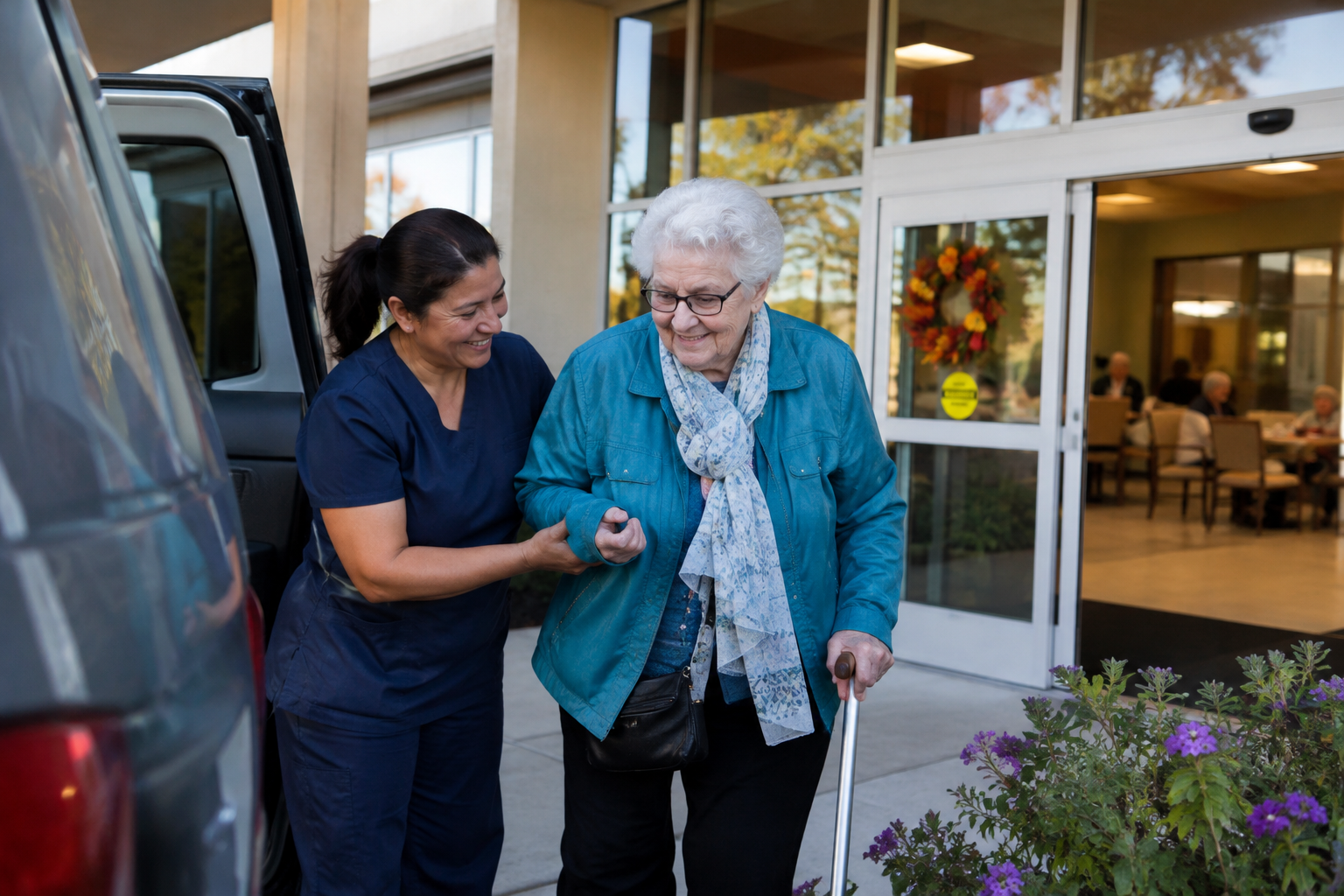



Quick answer: Nonmedical home care can help older adults with chronic back pain manage dressing, bathing, meals, light housekeeping, and appointment preparation. Support should reflect the person’s preferences and assessed care plan. Caregivers do not diagnose back conditions, prescribe exercise, or change pain treatment.
For a Houston family, the challenge may not be one major task. It may be the combination of getting dressed, preparing breakfast, carrying laundry, and getting ready for an appointment. Practical help can make the day more manageable without taking away independence.
According to the National Institute of Arthritis and Musculoskeletal and Skin Diseases (NIAMS), chronic back pain lasts longer than 12 weeks. Causes and limitations vary, so a diagnosis alone does not determine how much assistance a person needs.
Which Daily Activities Need Support First?
Start with a conversation about the activities that have become slower, uncomfortable, or difficult to complete. Ask which steps the older adult wants to continue independently and which tasks they would like someone else to handle.
- Morning: setting out clothes, preparing washing supplies, making breakfast, and clearing dishes.
- Afternoon: organizing groceries, laundry, household supplies, and appointment paperwork.
- Evening: preparing a meal, keeping essential items within reach, and getting ready for the next day.
Families can use these observations to discuss a personalized home care plan that reflects actual daily needs rather than a generic back pain checklist.
Help With Bathing and Dressing Without Rushing
Pulling on socks, stepping into clothing, or standing for grooming may take more time on difficult days. Depending on the assessed care plan, caregivers may set out clean clothes, prepare supplies, assist with bathing or dressing, and respect the person’s privacy and consent.
Angels Instead describes assistance with bathing, dressing, grooming, and other everyday activities through its personal care services. Any hands-on help must fit the caregiver’s training, agency policy, and individual care plan.
Do not improvise lifting or transfer techniques. If the person cannot safely complete a movement using the approved assistance plan, stop and request supervisory or clinical guidance. A caregiver should not decide which movements are medically safe.
Make Meals and Household Tasks More Predictable
An older adult may miss a meal because grocery bags are difficult to carry or because standing to prepare and clean up afterward has become burdensome. Within the agreed care plan, help may include preparing ordinary meals, putting away supplies, washing dishes, doing laundry, and light housekeeping.
The objective is not to encourage inactivity. It is to keep necessary household work from crowding out meals, personal hygiene, appointments, and enjoyable activities. Clinical advice about activity limits belongs to the healthcare team.
Families who also want regular social interaction can ask about companionship support alongside household routines, subject to service availability.
Coordinate Appointments and Existing Treatment Plans
Appointment days may require more preparation. Allow time to get dressed, gather documents, confirm transportation, and note questions for the clinician. Caregivers can help organize logistics and may accompany the older adult only when that service is agreed and available.
The NIH resource Living With Back Pain discusses clinician-guided treatment and activity. Families should follow the individual’s medical advice; non medical caregivers should not prescribe exercises, modify medication schedules, or replace physical therapy.
- Confirm appointment times and transport arrangements in advance.
- Keep the older adult’s questions and reported symptoms ready for the clinician.
- Follow documented instructions for mobility aids and approved assistance.
- Share health information only through authorized care and consent procedures.
Plan for Difficult Days Without Changing Medical Treatment
On a day when ordinary tasks are harder, a family may prioritize meals, personal hygiene, and an essential appointment while postponing laundry. Agree beforehand on which activities are essential, whom to contact if needs change, and when the care schedule should be reassessed.
Caregiver notes should describe observable facts, such as “requested help putting on shoes today,” rather than medical conclusions such as “the spinal condition has worsened.”
When Back Pain Needs Prompt Medical Attention?
The NIAMS back pain guidance identifies concerning symptoms including pain after a fall, fever, unexplained weight loss, and new numbness or weakness. These warrant medical evaluation; caregivers should promptly report them rather than attributing them automatically to chronic pain.
According to Mayo Clinic’s guidance on when to seek care, new bowel or bladder control problems, significant trauma, or back pain accompanied by fever may require emergency medical attention. Sudden inability to urinate or new numbness around the groin or saddle area also requires emergency assessment. Call 911 or follow emergency procedures for potentially serious symptoms.
Nonmedical caregivers do not diagnose the cause of pain, recommend medications, prescribe exercises, or perform unapproved treatment. Families should seek individualized clinical guidance when symptoms or functional needs change.
Chronic Back Pain Versus Spinal Stenosis: Why the Care Plan May Differ
Chronic back pain describes a persistent symptom that can have different causes. Spinal stenosis is one possible diagnosis involving narrowing around the spinal canal and may include nerve-related symptoms. A person’s daily support should follow their actual functional needs and clinician instructions, not assumptions based on either label.
A Practical One-Week Home Care Checklist
- Ask which two or three daily tasks are hardest and where help is welcome.
- Identify essential meals, personal care, and household tasks.
- Confirm the approved mobility and transfer assistance plan.
- Agree on appointment logistics and authorized family contacts.
- Set a process for reporting new symptoms or increased support needs.
- Review the schedule together after a week.
How Angels Instead Can Help in Houston?
Angels Instead provides non medical home care in Houston and other communities within its service area. Families can ask about personal care, meal preparation, light housekeeping, companionship, and appointment-related coordination based on the individual’s needs, the agency’s current service policies, and caregiver availability.
If chronic back pain is making daily routines harder, contact Angels Instead to discuss home care options or call (281) 800-1800. Ask what support and schedules are currently available for your household.
Frequently Asked Questions
Can home care relieve chronic back pain?
Nonmedical home care does not treat pain. It can help with daily activities while qualified clinicians manage diagnosis, treatment, and rehabilitation.
Can a caregiver help with dressing and bathing?
Yes, when these tasks are included in the assessed care plan and the caregiver is trained and authorized to provide the assistance.
Should an older adult with chronic back pain stop being active?
Not automatically. Activity decisions should follow individualized clinical guidance. Nonmedical caregivers should not prescribe rest or exercise.
What if a senior needs help getting out of bed?
Follow only the approved transfer or mobility assistance plan. If the current plan is no longer safe or sufficient, request reassessment.
Can a caregiver give pain medication?
Medication assistance depends on the care plan, applicable law, and agency policy. Caregivers should never independently prescribe, change, or stop medication.
When should families change the home care schedule?
Reassess when essential tasks are repeatedly missed, the person requests different support, or the current plan no longer matches their needs.
When is back pain an emergency?
New bowel or bladder control problems, serious trauma, or other severe warning signs can require emergency care. Seek urgent medical assessment rather than waiting for a routine visit.
The Bottom Line
Home care for seniors with chronic back pain works best when it protects independence and supports the routines that matter: dressing, bathing, meals, household tasks, and appointments. Use a practical care plan, reassess it when needs change, and leave medical decisions to qualified professionals.
Educational information only. This article is not medical advice. Consult a qualified healthcare professional for diagnosis, treatment, and activity guidance.