

Quick answer: Home care for seniors with sleep apnea can make mornings and daytime routines easier when fatigue or sleepiness affects dressing, meals, housekeeping, and appointments. Nonmedical caregivers assist with everyday tasks. Sleep studies, CPAP settings, treatment monitoring, and medical decisions belong to qualified professionals.
At a Glance: A Practical Family Plan
- Ask which morning tasks are hardest and what help the older adult actually wants.
- Schedule personal care, meals, errands, and appointments around individual needs.
- Do not assume all tiredness is caused by sleep apnea.
- Keep CPAP equipment decisions with the sleep medicine team and authorized people.
- Escalate new or worsening sleepiness and safety concerns promptly.
An older adult may spend the night in bed yet still struggle to get ready for breakfast or an appointment. Some people with sleep apnea experience daytime sleepiness, but fatigue can have other causes, including medication effects and other health conditions. Families need a practical support plan, not an informal diagnosis.
The National Heart, Lung, and Blood Institute explains that sleep apnea symptoms can include breathing pauses, loud snoring, and daytime sleepiness. A clinician determines whether testing or treatment is needed.
1. Start With the Morning Routine
Ask the senior to name the two activities that require the most effort after waking. Preparing breakfast, setting out clothes, organizing bathroom supplies, or confirming a ride may be more useful than a rigid checklist. Choose a visit time based on what the senior wants to accomplish.
- Agree on the preferred time for breakfast, washing, and dressing.
- Prepare supplies before the routine begins.
- Offer setup help first and hands on assistance only when agreed.
- Allow extra time without treating the senior as incapable.
2. Match Household Help to Daytime Energy
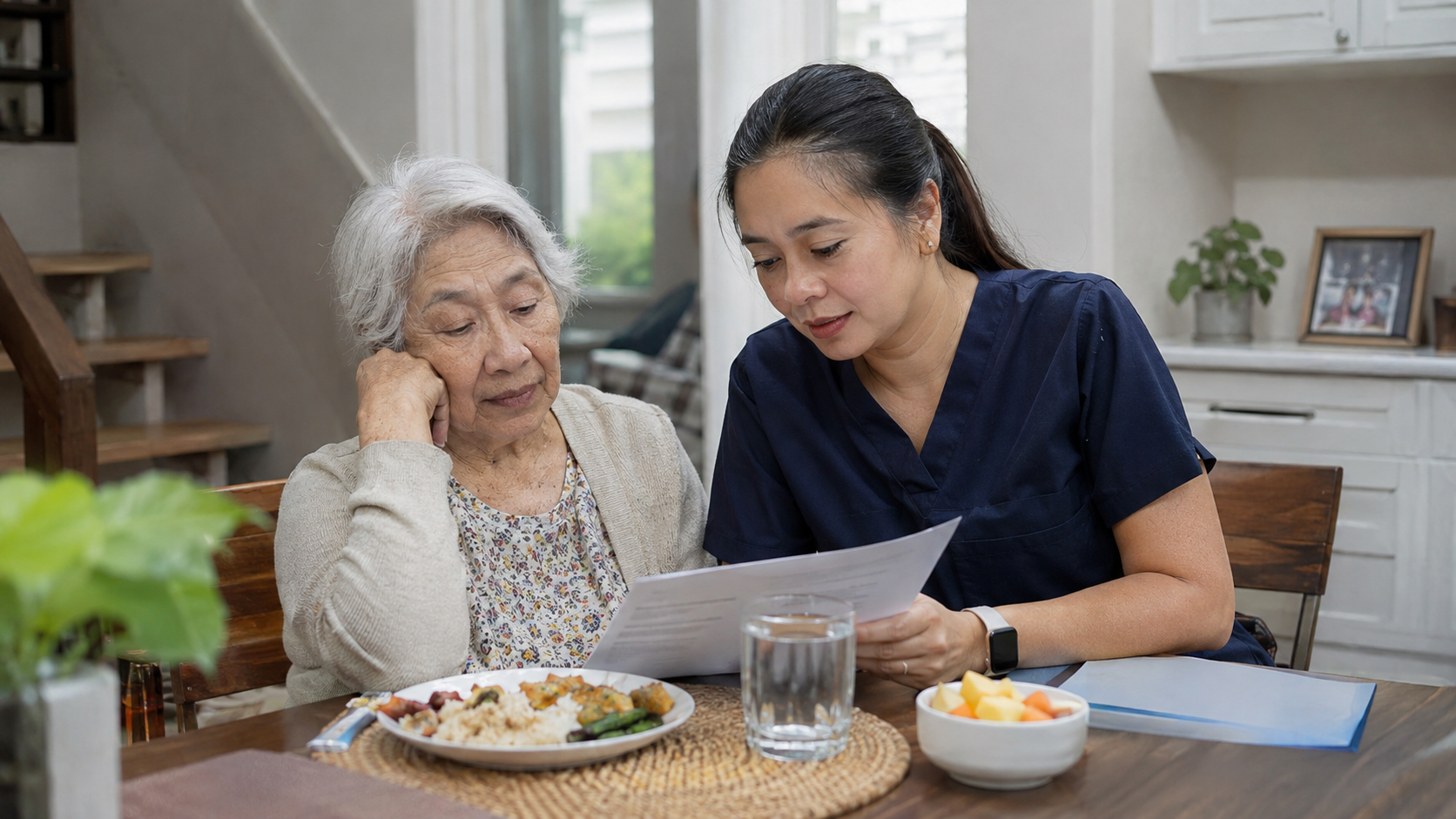
When meals, laundry, errands, and appointments compete for attention, a caregiver can take on agreed practical tasks. For example, the caregiver prepares lunch and handles light laundry while the older adult gets ready for a specialist visit. The purpose is to preserve independence and choice, not to prescribe rest or exercise.
3. Protect Dignity During Personal Care
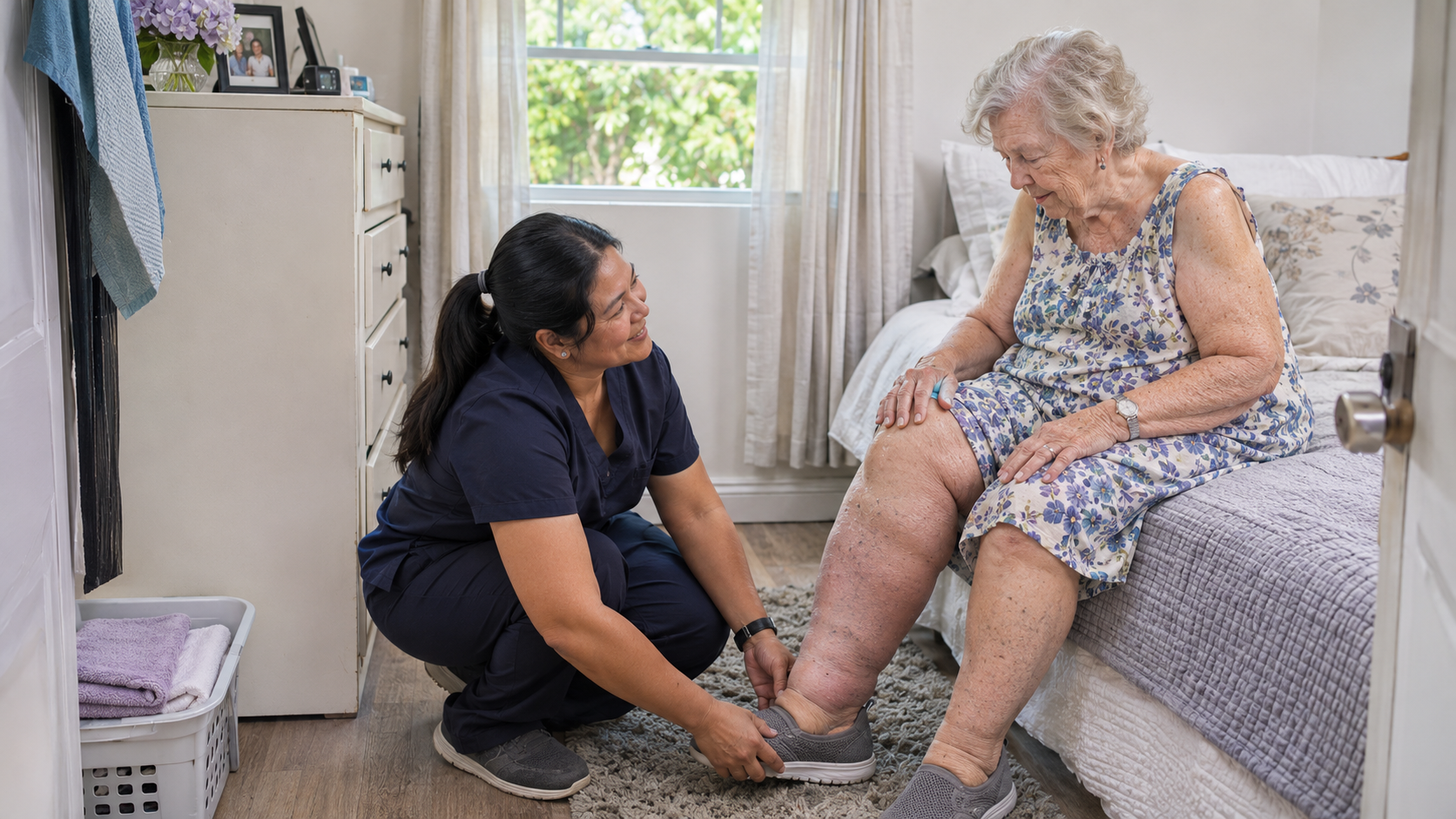
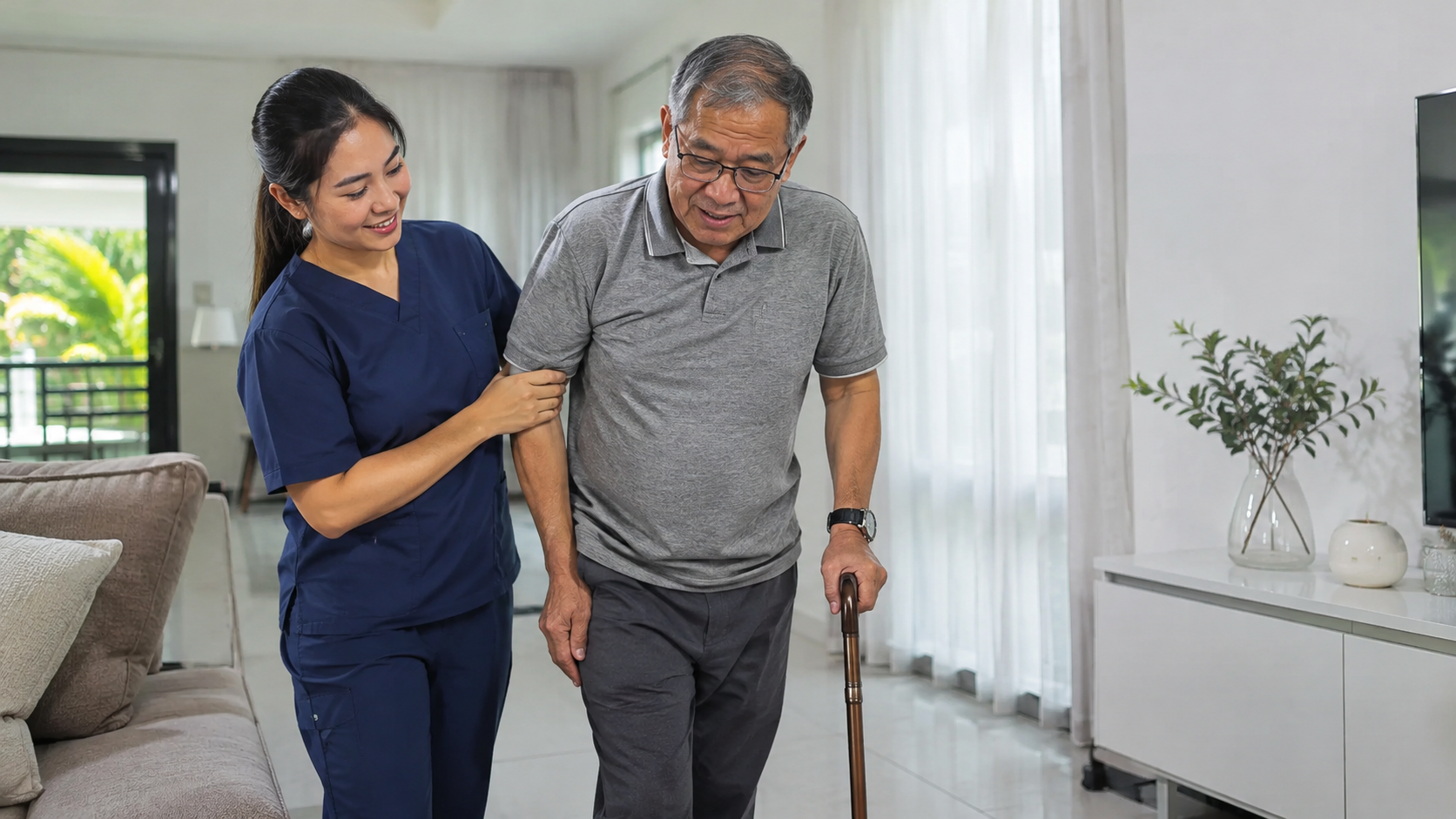
Some seniors want assistance with bathing, dressing, grooming, or ordinary mobility. Others need only supplies prepared. The level of assistance should follow the written care plan and the senior’s preferences, not the sleep apnea diagnosis alone.
Angels Instead describes its personal care services for bathing, dressing, grooming, and everyday routines. Families can also review the agency’s practical guide to personal care when deciding what to delegate.
For a broader explanation of dignity and daily assistance, read Personal Care at Home: The Quiet Difference Between Struggling and Feeling Human Again. This sleep apnea article focuses specifically on morning scheduling and daytime alertness.
4. Keep CPAP and Treatment Decisions With Clinicians
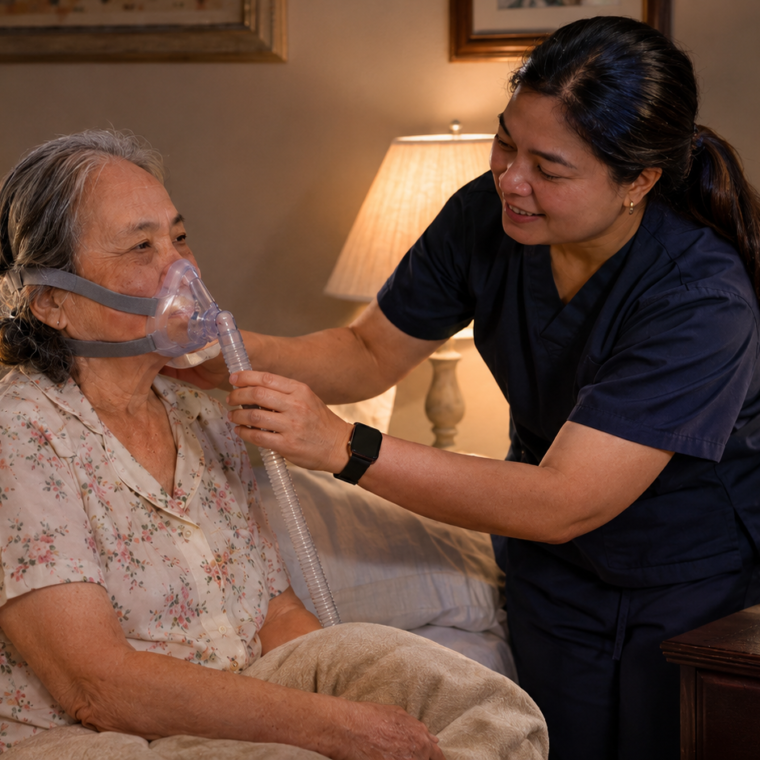
Continuous positive airway pressure, or CPAP, is a medical treatment. A caregiver should not independently change pressure settings, fit a mask, interpret treatment data, troubleshoot a medical device, or advise stopping therapy. Any equipment related assistance requires explicit authorization, suitable training, and compliance with agency policy.
The NHLBI outlines sleep apnea treatment options, including positive airway pressure therapy. Questions about comfort, mask problems, adherence, or persistent symptoms belong with the treating team.
Family members can help keep the specialist’s contact information available, organize follow up dates, and write down questions the senior wants to ask. That is logistical support rather than device management.
5. Plan Appointment Days Around Alertness
Before a sleep medicine or primary care visit, confirm the appointment time, transportation, documents, and who will accompany the senior. Prepare questions in the senior’s own words. A caregiver may assist with getting ready and ordinary accompaniment when included in the service agreement.
- Confirm the ride and pickup time in advance.
- Set out clothing and requested documents the day before.
- Allow enough time for the morning routine.
- Share observations with the family or clinician only with appropriate consent.
6. Treat Excessive Sleepiness as a Safety Concern
If sleepiness is new, worsening, or interfering with normal activities, contact the healthcare professional. Do not assume an established sleep apnea diagnosis explains sudden confusion, falls, or a major change in alertness. If the person is unresponsive, has severe breathing difficulty, chest pain, or another emergency, call 911.
A person who is excessively sleepy should not drive. Families can arrange alternative transportation and ask the clinician about safe driving and activity guidance. Non Medical caregivers should not make independent medical fitness decisions.
For general patient information, MedlinePlus explains sleep apnea and related evaluation and treatment. The medical team should assess symptoms that persist despite prescribed treatment.
7. Keep Caregiver Notes Factual
Write what happened, not what caused it. “Needed extra time to get dressed and missed the planned ride” is a useful observation. “The CPAP is failing” is an unsupported clinical conclusion.
- Which morning tasks needed additional assistance?
- Were meals, errands, or appointments delayed?
- Did the senior request a change to the schedule?
- Were new concerns reported, and to whom?
One Week Home Support Checklist
- Identify the two or three daytime tasks that are hardest.
- Confirm personal care preferences and visit times.
- Arrange transportation for upcoming medical visits.
- Keep clinical and equipment questions for the treating team.
- Agree on a consent based family communication routine.
- Review whether the schedule fits the senior’s actual needs after one week.
How Angels Instead Can Help in Houston?
Angels Instead provides nonmedical home care for older adults in Houston and other Texas communities it serves. Depending on the individualized plan, assistance may include personal care, meals, light housekeeping, companionship, and appointment logistics. Caregivers support daily life; clinicians manage sleep apnea and its treatment.
If morning fatigue is making daily life harder, discuss a personalized home care schedule with Angels Instead. Call (281) 800 1800 to discuss which tasks and visit times would help your family.
Frequently Asked Questions
Can a non medical caregiver treat sleep apnea?
No. Diagnosis, sleep studies, CPAP prescriptions, and treatment decisions are medical responsibilities. A caregiver can assist with everyday activities.
Can a caregiver adjust a CPAP machine?
Not independently. Any equipment assistance must be specifically authorized, within agency policy, and supported by appropriate training. Pressure changes and clinical troubleshooting belong to qualified professionals.
What if a senior is tired despite using CPAP?
Contact the treating clinician, especially if sleepiness persists or worsens. Do not assume the equipment is ineffective or change treatment without medical guidance.
How can home care help during the day?
Caregivers can help with breakfast, bathing, dressing, laundry, meals, errands, companionship, and appointment preparation within the agreed plan.
Does every older adult with sleep apnea need home care?
No. Care needs depend on daily functioning, preferences, other health conditions, and available family support.
When is daytime sleepiness an emergency?
An unresponsive person, severe breathing difficulty, chest pain, or another immediate threat requires emergency services. New or worsening sleepiness also deserves timely clinical advice.
The Bottom Line
Home care for seniors with sleep apnea should solve practical morning and daytime problems without crossing into medical treatment. Start with the senior’s priorities, protect their independence, and let the sleep medicine team direct clinical care.