


Quick answer: Private home care can supplement independent living when a resident needs personal assistance that their community does not include. Compare the existing service package, the hours when help is needed, and the combined cost. Confirm the resident’s wishes, community arrangements and provider availability before scheduling care.
Your mother loves her retirement community. She has friends down the hall, enjoys the dining room and looks forward to her weekly activities. But lately, getting dressed in time for breakfast has become a struggle. Does that mean she needs to move? Not necessarily. The first question is whether the support she needs can be arranged where she already lives.
Independent living provides housing, not necessarily personal care
Independent living communities vary in their amenities and optional support. Assisted living generally includes personal assistance, while independent living residents may need to arrange that help separately. Check the resident agreement to determine exactly what is included.
A dining room does not mean someone will help a resident get dressed for dinner. A scheduled shuttle does not necessarily include assistance getting into a vehicle. A front desk or emergency call system does not mean someone is available to provide ongoing supervision. These distinctions matter when a family starts considering private care.
At a glance: Who is responsible for what?
- Community: Confirm included meals, housekeeping, transportation, activities and emergency response under the resident agreement.
- Private caregiver: Confirm individualized personal assistance, companionship and other agreed nonmedical tasks during scheduled visits.
- Resident and family: Decide which help is wanted, how bills are paid and who may receive updates.
- Healthcare team: Assess medical changes, provide clinical instructions and determine whether skilled care is necessary.
1. Identify the gap between amenities and actual daily needs
Start with one ordinary day, not a list of diagnoses. Ask the resident what takes longer than it used to, what they have stopped doing and which tasks they would like help with. Then compare those needs with the community’s current service package.
For example, a resident who has access to three meals a day may still need someone to help with grooming, getting to the dining area or preparing a snack in the apartment. Another resident may have housekeeping included but need personal laundry or help changing clothes after an accident. Ask whether those tasks are included, available at an extra charge or outside the community’s offering.
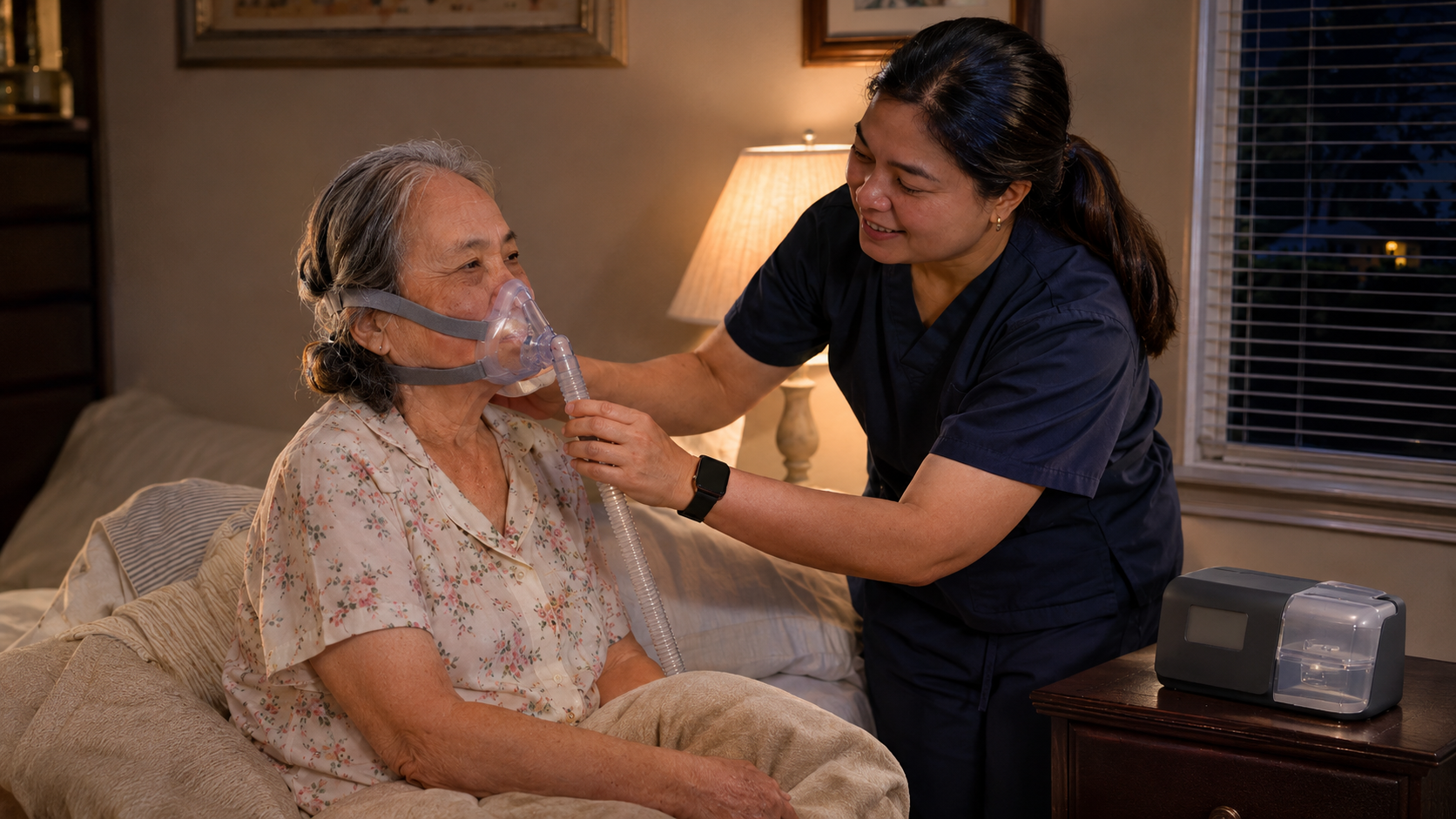
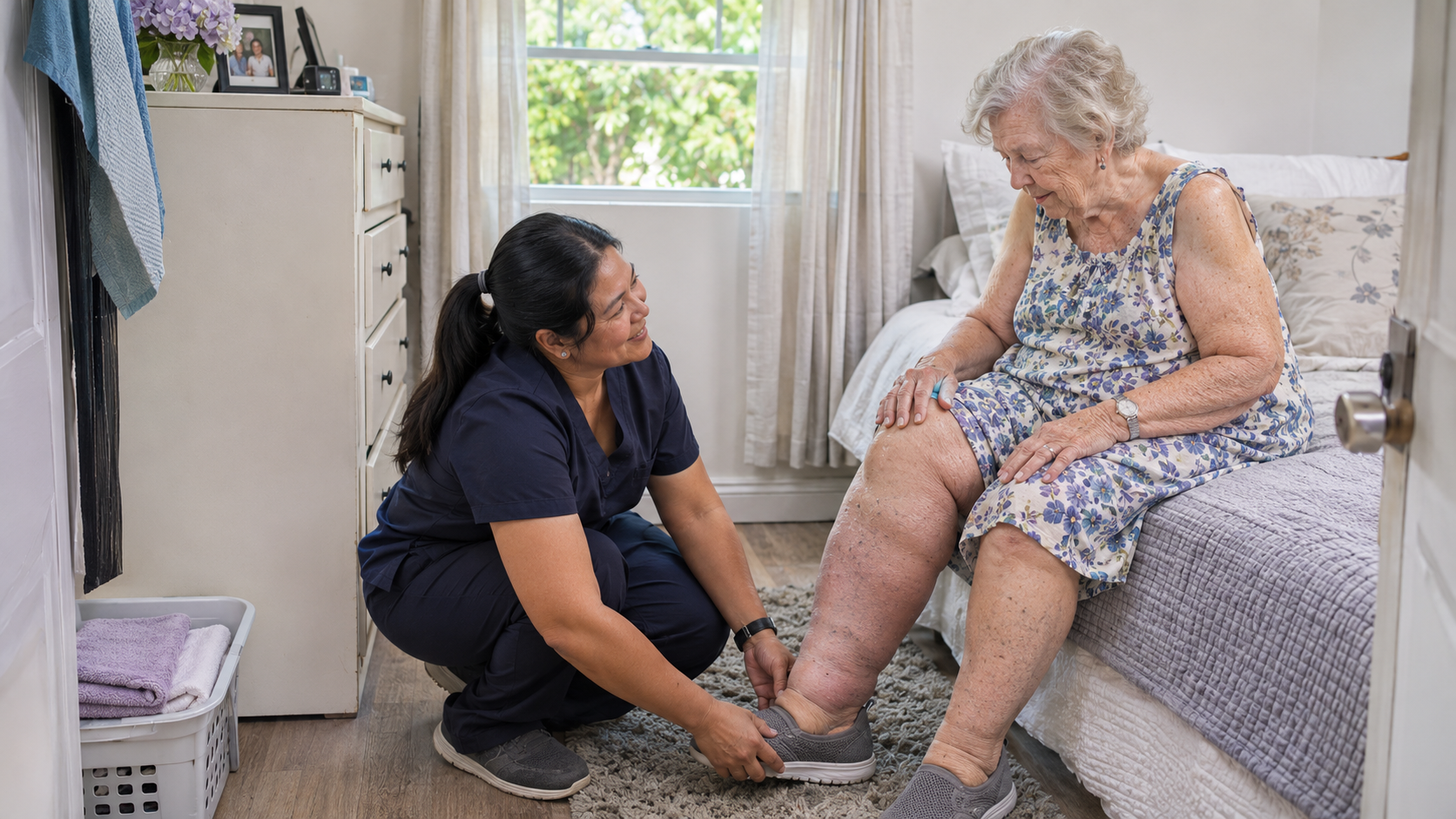
Angels Instead’s personal care services include assistance with bathing, dressing, toileting, movement and other daily activities. Discuss the tasks that are actually missing rather than purchasing services that the community already provides.
2. Compare community assistance with private caregiver visits
Ask whether the community has an optional personal assistance package, an on-site provider or a referral arrangement. If such support exists, compare it with independently arranged care. Look at the specific tasks, visit duration, available hours, continuity of caregivers and what happens when needs change.
A resident who needs predictable morning help may prefer scheduled visits before the activities of the day. Someone who needs assistance at unpredictable times may require a different arrangement. A short visit does not cover the hours before or after it. Do not assume that community staff will fill the gap.
3. Make sure outside care can be arranged
Ask management whether its service package can be expanded or whether an outside agency may provide the missing assistance. For practical entry and visitor arrangements, see our Houston apartment home care guide. If a restriction raises an accessibility or disability concern, seek appropriate housing advice rather than assuming that a community rule is conclusive.
The resident should decide who may enter their home and what information can be shared. The community and provider should know whom to contact when an agreed task cannot be completed. A private caregiver should not be expected to perform duties for other residents or cover the community’s staffing responsibilities.
4. Plan around the community’s daily rhythm
Build the visit around the resident’s preferences, not just the opening hours of the dining room or activity calendar. A morning visit might cover bathing and dressing, preparing for breakfast and an agreed walk to a common area. An afternoon visit might help with laundry, a snack or preparing for a scheduled outing. The exact activities depend on the care plan and community arrangements.
Angels Instead describes its caregiver services and scheduling process on its website, including a published four-hour minimum shift. Confirm current minimums, staffing and access for the specific community before committing. If the resident only needs a brief daily task, compare available community options rather than automatically booking a longer visit.
Ask the agency how changes in the community’s meal schedule, appointments or activities will be communicated. Decide who will notify the caregiver if the resident is away for the day. The aim is to support the resident’s existing life, not create a second competing timetable.
5. Compare the total cost, not just the hourly rate
Independent living fees and private care fees may be separate. Obtain a written breakdown of the community’s current charges, any optional support and the proposed caregiver schedule. Ask about minimum visit duration, cancellation terms, weekend charges and any community fees associated with outside providers.
Compare the total expected monthly expense with other suitable care arrangements. As explained in Medicare’s long-term care coverage guide, Medicare generally does not pay for ongoing custodial care. Ask your insurer directly about eligibility, covered services and documentation. Do not assume private care is always cheaper than assisted living.
6. Decide whether scheduled care is still sufficient
The right arrangement is the one that meets the resident’s needs throughout the day and night, including when no caregiver is present. If the resident needs help between visits, repeatedly cannot reach assistance, or develops new difficulties with essential activities, request a care review. A healthcare professional can assess changes in function or health and help determine whether more support is needed.
Texas Health and Human Services outlines long-term care options, including personal assistance at home and residential care. Families can use this resource to understand alternatives without assuming that a private caregiver can replace skilled nursing or continuous supervision.
If there is an immediate medical emergency, call 911. For nonurgent changes, contact the appropriate healthcare professional and agency coordinator. Do not wait until the next scheduled visit if essential support cannot safely be delayed.
Houston example: Keeping the community routine that matters
Imagine a woman living in a Houston retirement community who enjoys lunch with friends and an afternoon book club. Her daughter notices that showering and dressing have become difficult. The community provides meals and weekly housekeeping, but not individual morning personal care under her current agreement.
Together they ask management about outside providers and discuss a morning schedule with a home care agency. They compare the cost with the community’s optional assistance, confirm which tasks the caregiver can perform and agree on who will respond outside visit hours. Her mother chooses the routines she wants help with. They agree to review the arrangement if her needs change. This is an illustrative situation, not a claim about any specific community or client.
Questions to ask before arranging private care
- Which personal assistance tasks are already included in the community fee?
- What does the resident want help with, and at what times?
- What requirements apply to outside care providers?
- Who is responsible when the caregiver is not present?
- What is the combined cost of housing and additional care?
- What changes would trigger a review of the living arrangement?
Frequently asked questions
What if personal care is not included in my independent living fees?
Ask for an itemized description of included and optional services. Compare the cost and availability of supplemental private visits with the community’s own assistance options, if any.
Is independent living with private care the same as assisted living?
No. Private visits supplement a housing arrangement; assisted living generally includes a more structured provision of personal support. Compare actual services and coverage.
Can a caregiver accompany a resident to the dining room?
This may be appropriate if the resident wants assistance, the task is included in the care plan and community access arrangements permit it.
Does the community pay for an outside caregiver?
Do not assume so. Review the resident agreement and obtain the care provider’s written fees. Ask about any insurance benefits separately.
Can I arrange only a short morning visit?
Ask the provider about visit minimums and availability. The four-hour minimum described above is Angels Instead’s published arrangement; confirm current terms with the coordinator.
Does hiring a caregiver mean my parent can avoid moving to assisted living?
Not necessarily. It depends on the person’s needs, available coverage and whether the living arrangement remains appropriate. Review changes with the care team.
Can a caregiver provide medical treatment in independent living?
Non Medical care does not replace clinical assessment, nursing or therapy. Arrange those services with qualified healthcare professionals when needed.
Discuss the right level of support with Angels Instead
If your loved one lives in an independent living community in Greater Houston, contact Angels Instead to discuss home care or call (281) 800-1800. Share the community address, services already included, daily tasks that need attention and preferred visit times. Ask the coordinator to confirm whether the location and proposed care arrangement can be supported.