
For many families, looking for veteran care starts when daily life at home becomes harder. An aging parent or spouse may still want independence, but they may now need help with bathing, dressing, meals, medication reminders, mobility, appointments, or companionship.
That does not always mean a facility is the right first step. Many veterans prefer the comfort of home, familiar routines, and support from people who treat them with respect.
Angels Instead provides senior home care for veterans in Houston and surrounding Texas communities, helping families create a care plan that supports dignity, safety, comfort, and independence at home.
Quick Answer: What Is Senior Home Care for Veterans?
Senior home care for veterans provides non-medical in-home support for aging veterans who need help with daily routines, companionship, personal care, meals, mobility, appointment support, or family caregiver relief. It helps veterans remain in familiar surroundings while giving families more structure and peace of mind.
Why Families Look for In-Home Veteran Care?
Families rarely search for care because everything is going well. The search usually starts when a veteran is beginning to struggle with daily routines or when a family caregiver can no longer carry the full responsibility alone.
Common signs that support may be needed include:
- A veteran parent is having trouble getting dressed, bathing, or grooming.
- Mobility has changed and walking around the home feels less safe.
- Meals are being skipped or nutrition routines are inconsistent.
- Medication reminders or appointments are becoming harder to manage.
- A spouse or adult child is exhausted from caregiving.
- The veteran is isolated and needs regular companionship.
- The family wants support at home before considering facility-based care.
How VA-Related Home Support Fits Into the Care Conversation?
The U.S. Department of Veterans Affairs explains that Homemaker and Home Health Aide Care may help eligible veterans with personal care services and daily activities at home. VA notes that aides may help with activities such as eating, getting dressed, grooming, bathing, using the bathroom, moving from one place to another, and grocery shopping.
This is important because many families do not only need medical guidance. They need practical help inside the home. They need someone who can support daily living without taking away the veteran’s dignity or independence.
Important: Angels Instead provides non-medical home care. Families should confirm VA eligibility, benefits, coverage, and clinical requirements directly with VA, a VA social worker, a qualified benefits advisor, or a healthcare professional.
Why Veteran Home Care Requires Thoughtful Support?
Veterans are not all the same. Some need help after illness or injury. Some need support because of age-related mobility changes. Others may be dealing with isolation, memory concerns, transportation challenges, or the emotional weight of losing independence.
Good veteran care is not just about completing tasks. It is about respect, consistency, clear communication, and patience.
Support may include:
- Daily living assistance
- Bathing, dressing, and grooming support
- Meal preparation
- Medication reminders
- Transportation support or appointment preparation
- Mobility support inside the home
- Companionship and emotional support
- Respite support for family caregivers
- Care planning based on the veteran’s routine and preferences
How Angels Instead Supports Veterans and Families at Home?
Angels Instead focuses on care that helps veterans remain in familiar surroundings while receiving practical help with daily needs. The goal is not to replace family involvement. The goal is to support the family so care becomes more manageable and consistent.
Personal Care Assistance
When bathing, dressing, grooming, toileting, or hygiene becomes difficult, personal care assistance can help veterans maintain comfort and dignity during daily routines.
Mobility Support
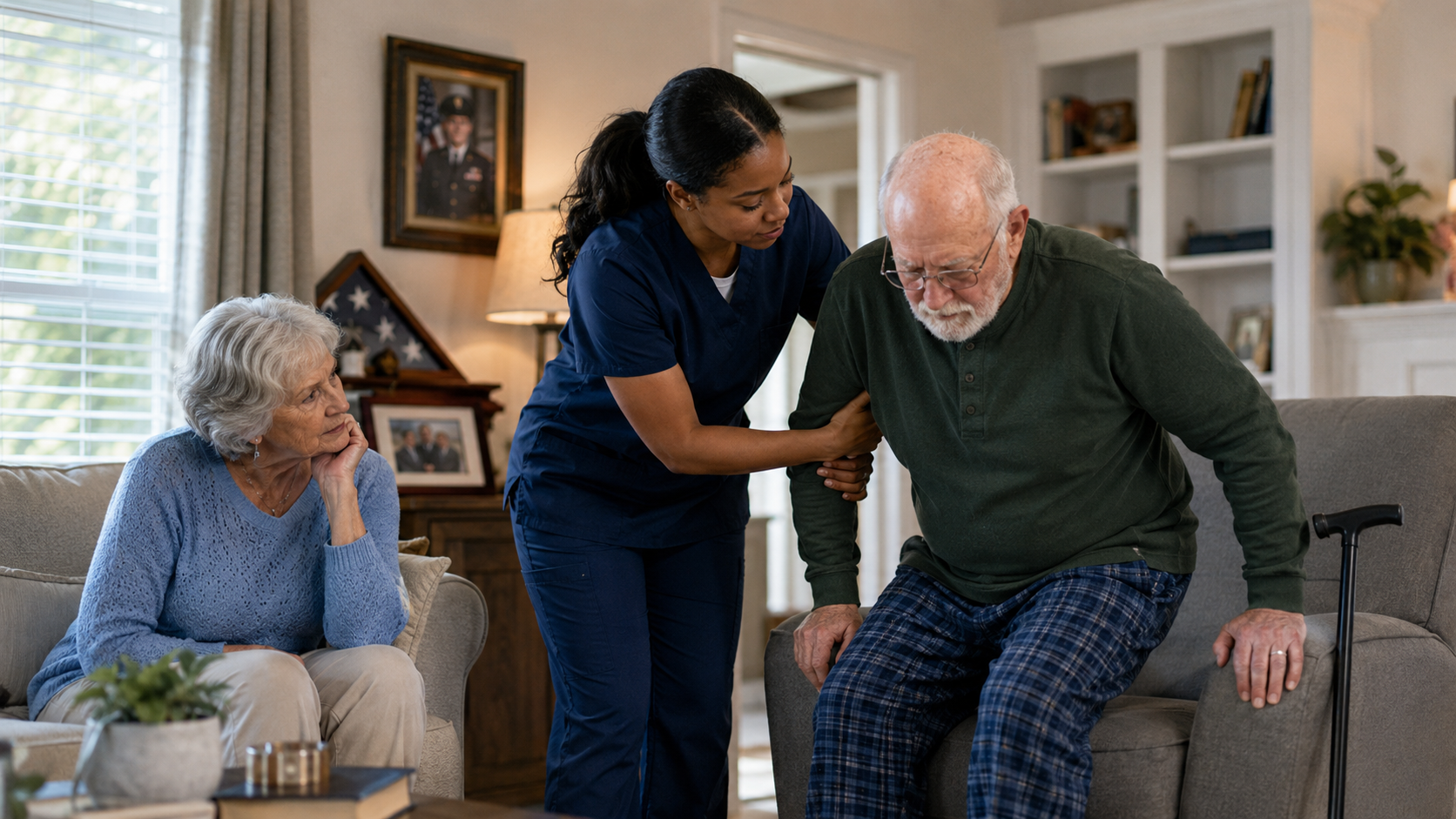
If a veteran has trouble walking, transferring, or getting around the home, mobility assistance may help support safer movement as part of a practical home care plan. This should not be framed as a guarantee against falls, but it can reduce the pressure families feel when mobility becomes harder.
Companionship and Emotional Support
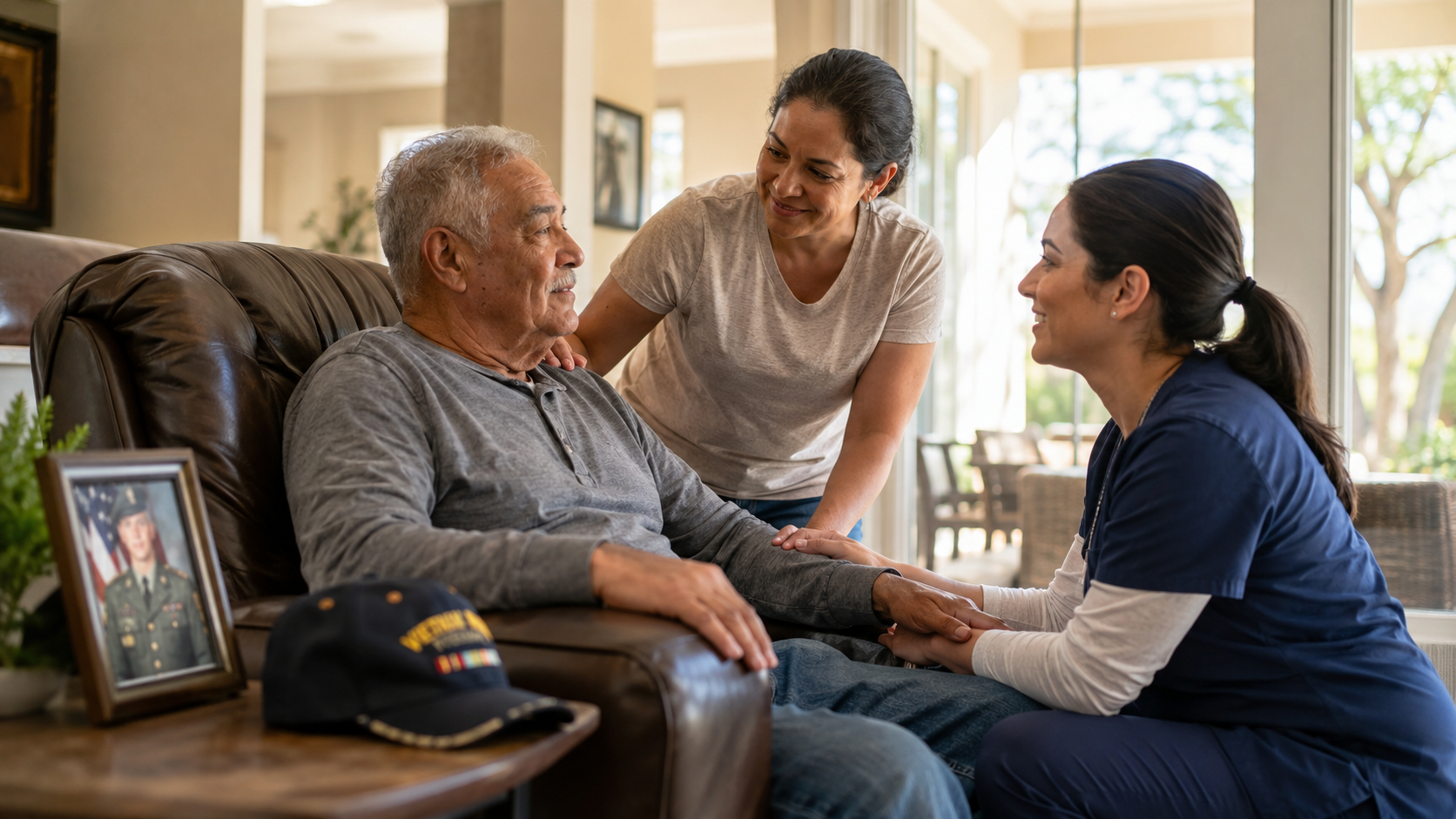
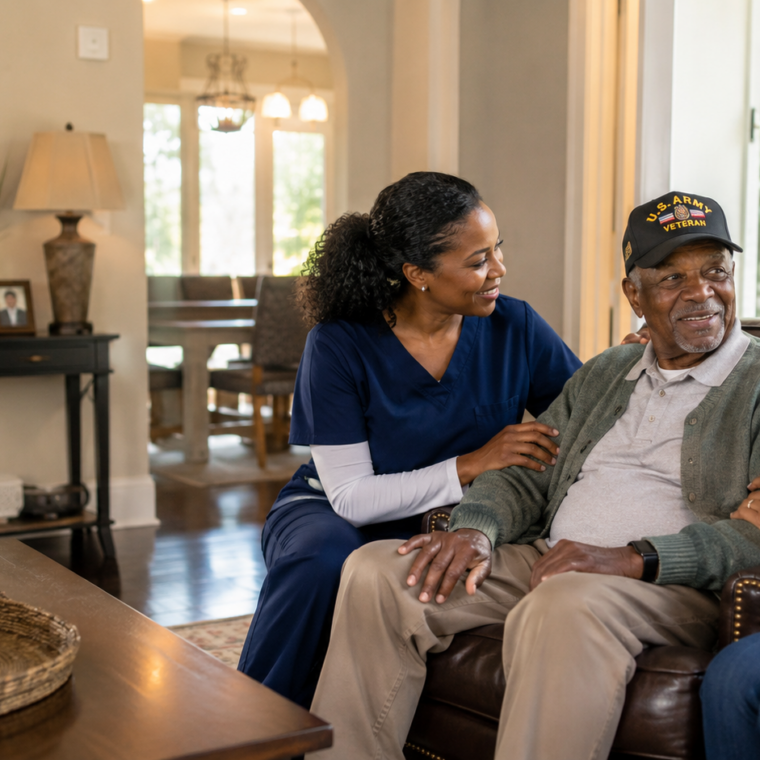
Many aging veterans spend long hours alone. companionship care can provide conversation, emotional reassurance, hobbies, light activities, and a regular caring presence at home.
Meal Preparation and Daily Routine Support
If meals, groceries, or nutrition routines are becoming inconsistent, meal preparation support can help keep the day more stable and predictable.
Respite Care for Family Caregivers
Caring for a veteran can be meaningful, but it can also be tiring. VA describes respite care as short-term care that gives family caregivers time for breaks, errands, or time away. For Angels Instead service context, families can also explore respite care when they need temporary in-home support and relief.
Why Home Care May Be Better Than Starting With a Facility Search?
The original article focused heavily on “senior health care facilities near me.” That keyword may attract users looking for assisted living, nursing homes, hospitals, or facility-based care. For Angels Instead, that is not the strongest lead-generation angle.
A better search-intent match is in-home support for veterans and families who want help before facility care becomes necessary.
Home care may be a better first step when the veteran:
- Wants to stay in a familiar home environment.
- Needs help with daily routines but not full facility placement.
- Has family members who want to stay involved in care decisions.
- Needs companionship, meals, mobility support, or personal care.
- Would benefit from a flexible care schedule.
A Note on Caregiver Career Opportunities
Caregiving can be a meaningful career for people who want work that directly helps families and older adults. However, this blog should not make “senior health care jobs near me” the primary SEO target because that changes the audience from families seeking care to job seekers.
If Angels Instead wants to recruit caregivers, that should be handled in a separate career-focused blog or landing page. This article should stay focused on families looking for veteran home care.
When Should Families Consider Veteran Home Care?
Families should consider veteran home care when an aging loved one needs more support than family members can safely or consistently provide.
It may be time to ask for help when:
- Daily routines are becoming harder to manage.
- The veteran is missing meals or struggling with nutrition.
- Mobility changes are creating stress at home.
- A family caregiver is losing sleep or feeling overwhelmed.
- The veteran is isolated and needs more social connection.
- Appointments, reminders, and daily care tasks are becoming too much.
- The family wants care at home instead of immediately searching for a facility.
Key Takeaway
Veteran home care helps families support aging veterans with daily routines, personal care, companionship, meals, mobility, and caregiver relief. The strongest care plan protects dignity while helping the veteran remain in the place they know best: home.
Ask Angels Instead About In-Home Veteran Care
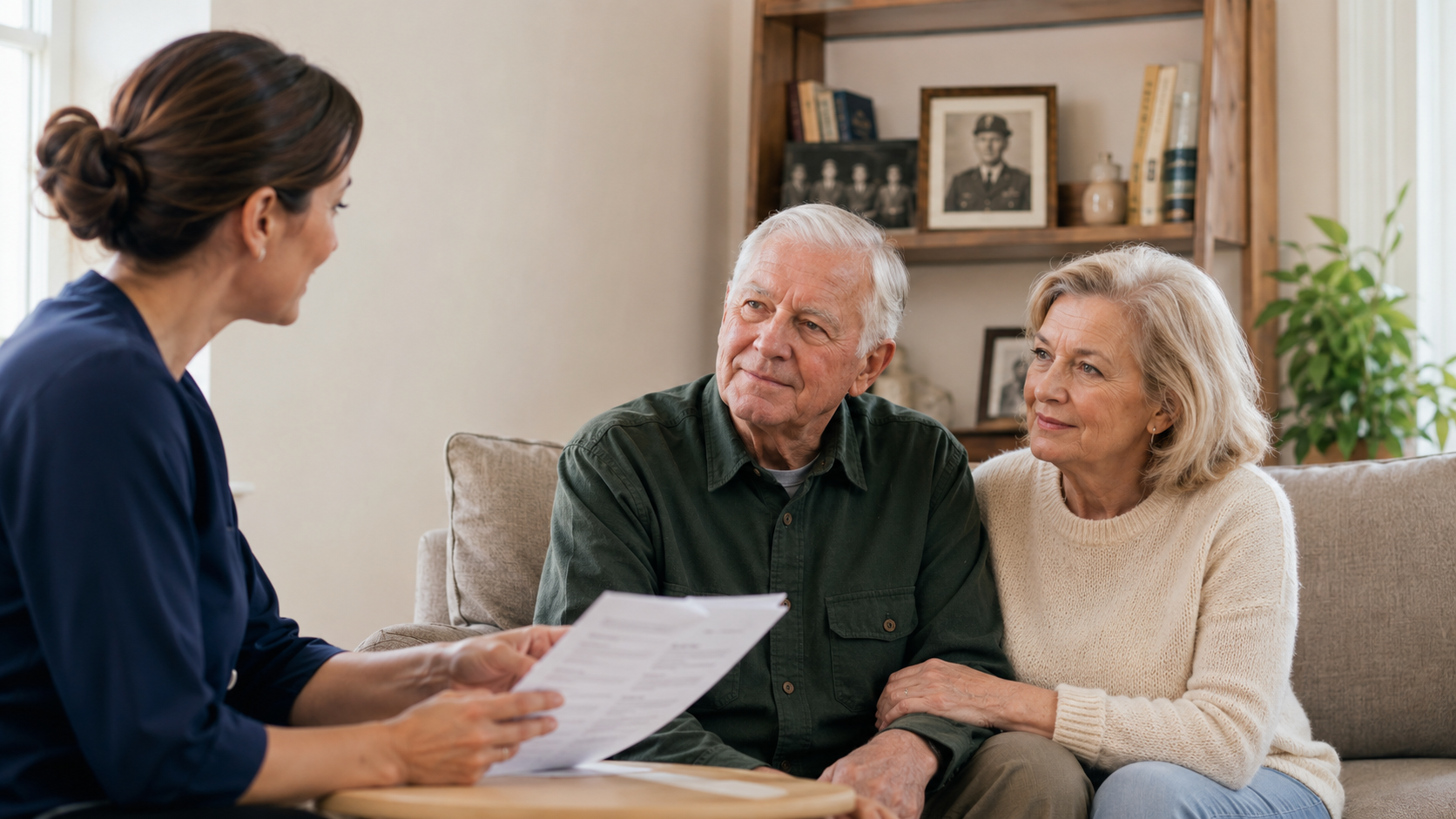
If your family needs respectful, practical help for an aging veteran, Angels Instead can help you understand your options and create a personalized care plan. Explore Angels Instead’s home care services or contact the team to ask about veteran support in Houston and surrounding Texas communities.
For families who need more continuous help, Angels Instead also offers live-in caregivers for situations where ongoing support may be appropriate.
Conclusion
Veterans deserve care that respects their service, preserves dignity, and supports independence. Families deserve guidance that makes the care journey less overwhelming.
A search for veteran care is often really a search for trust. With the right in-home support, aging veterans can receive practical daily help while staying connected to home, family, and familiar routines.
Angels Instead helps families move from uncertainty to a clear care plan built around respect, consistency, and compassionate support.
Frequently Asked Questions
What is senior home care for veterans?
Senior home care for veterans is non-medical in-home support that may help aging veterans with daily routines, personal care, meals, companionship, mobility, and family caregiver relief.
Can veterans receive help at home through VA-related programs?
Some eligible veterans may receive home-based support through VA-related programs, but eligibility and availability depend on clinical criteria, location, benefits status, and VA approval. Families should confirm details directly with VA or a VA social worker.
What does a veteran caregiver help with?
A veteran caregiver may help with bathing, dressing, grooming, meals, medication reminders, mobility support, companionship, appointment preparation, and daily routine support.
Is veteran home care the same as medical care?
No. Non-medical veteran home care supports daily living needs. It does not replace medical treatment, diagnosis, emergency care, nursing care, or professional healthcare guidance.
When should a family consider respite care for veterans?
Families should consider respite care when caregiving becomes physically or emotionally exhausting, when they need time for errands or rest, or when they need temporary support at home.
Does Angels Instead provide veteran care in Houston?
Yes. Angels Instead provides in-home veteran care support in Houston and surrounding Texas communities, including daily living assistance, companionship, mobility support, meals, respite support, and personalized care planning.
Disclaimer
This article is for general educational purposes only and is not medical, legal, insurance, VA benefits, or eligibility advice. Angels Instead provides non-medical home care services. Families should confirm VA benefit eligibility, care coverage, clinical requirements, and medical concerns with VA, official agencies, licensed healthcare professionals, or qualified benefits advisors.