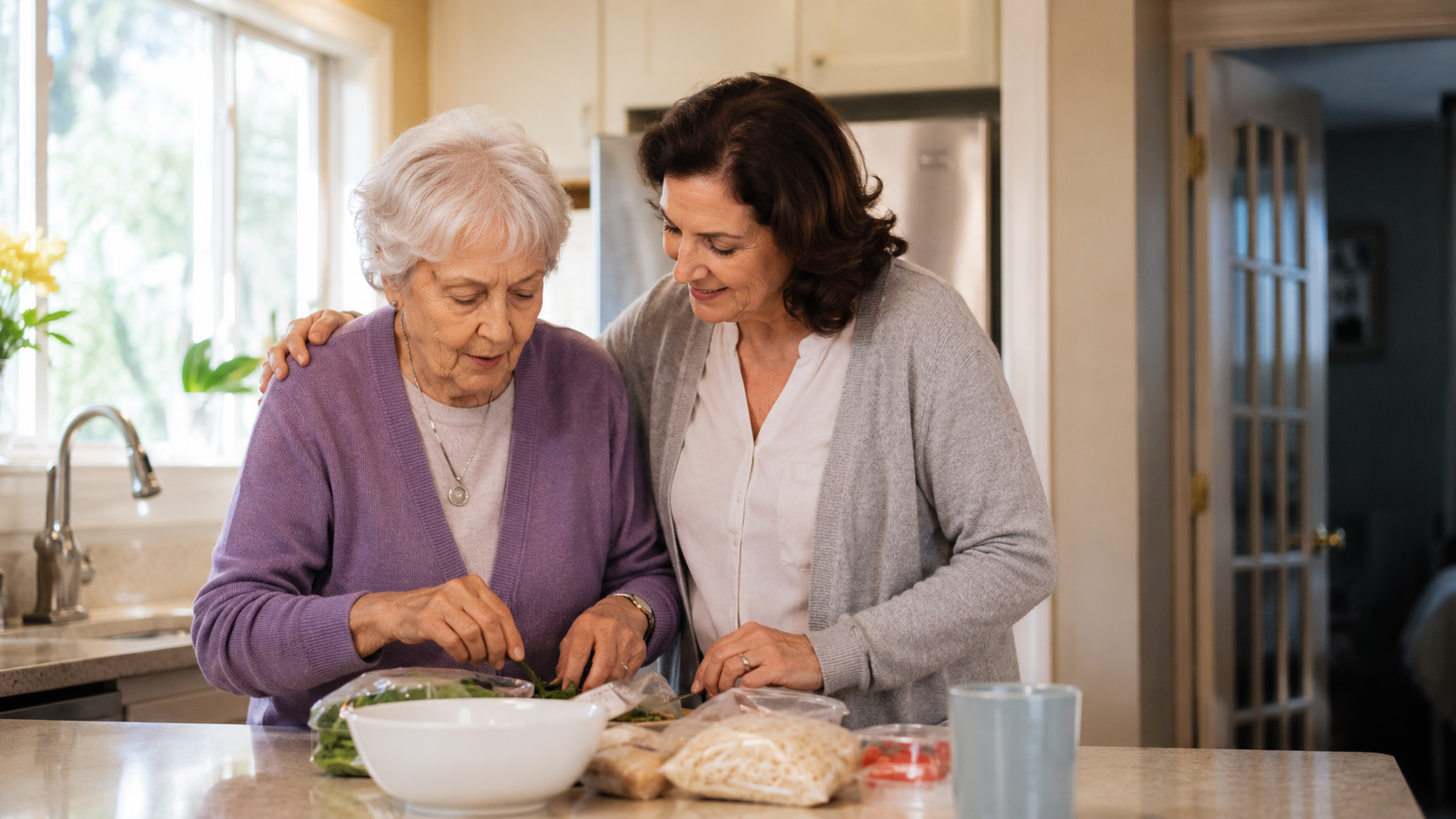


Searching for senior home care near me in Texas usually starts with one concern: someone you love needs more help than the family can safely provide alone.
For many families, the search begins after a fall scare, a missed medication, a hospital discharge, a veteran parent needing more daily support, or a senior living alone who seems increasingly isolated. The goal is rarely just “care.” The real goal is trust, dignity, safety, and practical support at home.
Angels Instead provides compassionate in-home support for seniors, veterans, disabled adults, and families across Texas, with services designed to help loved ones remain comfortable in familiar surroundings while families gain more peace of mind.
Quick Answer: What Should Families Look for in Senior Home Care Near Me?
Reliable senior home care should provide practical help with daily routines, personal care, meals, mobility, companionship, caregiver relief, and care planning. Families should also check whether the provider understands local needs, explains home care vs. home health care clearly, and supports seniors or veterans without making unrealistic medical promises.
Why Families Search for Senior Home Health Care Near Me
Many families type “senior home health care near me” into Google because they need help quickly. The phrase is common, but it can be confusing. Some families need skilled medical services. Others need non-medical in-home support such as help with bathing, meals, companionship, or movement around the home.
Common triggers include:
- A parent struggling to bathe, dress, or prepare meals
- A senior living alone after losing a spouse
- A veteran who needs daily support at home
- Family caregiver burnout
- Medication reminders or missed appointments
- Mobility concerns, transfer difficulty, or fear of falling
- Loneliness, isolation, or reduced social connection
The search may start online, but the decision is deeply personal. Families are not just choosing a provider. They are choosing who will enter their loved one’s home and support their daily life.
Home Care vs. Home Health Care: Why the Difference Matters
Home care and home health care are often used interchangeably, but they are not always the same. home health services from Medicare are generally tied to illness, injury, skilled care needs, and eligibility requirements. That may include nursing or therapy services ordered by a healthcare provider.
Home care usually focuses on daily living support. This may include help with bathing, dressing, meal preparation, mobility, light housekeeping, companionship, medication reminders, and family caregiver relief.
This distinction matters because a family may search for “home health care Houston” when what they actually need is reliable home care support. A strong provider should explain this difference instead of blurring the terms just to chase a keyword.
What Reliable Home Care Services Should Include
Reliable home care services should be personalized, practical, and respectful. The right care plan should support independence instead of making the senior feel controlled or replaced.
For daily routines such as bathing, grooming, dressing, toileting, and reminders, families should look for personal care assistance that respects privacy and dignity.
Strong home care may include:
- Bathing and grooming support
- Dressing and hygiene assistance
- Meal preparation and light household help
- Medication reminders
- Mobility and transfer support
- Companionship and emotional support
- Respite support for family caregivers
- Care plan coordination and communication
Why Texas Families Need Local Senior Care Support
Texas families have local care realities that generic national content often ignores. Some families live across Houston-area suburbs. Others are balancing work, children, and aging parents across different cities. The state also provides aging-related resources through Texas aging services, but families still need to understand what daily support is available at home.
Angels Instead’s services are built around a practical question: what does this person need to stay supported at home today? For some families, that may mean a few hours of weekly care. For others, it may mean more regular help, veteran care support, or respite relief for a burned-out family caregiver.
Support for Senior Veterans at Home
Veterans may have unique care needs based on age, health, service history, mobility limitations, or family caregiver stress. The VA explains that VA Homemaker and Home Health Aide Care can help eligible veterans with personal care and activities of daily living, and that services may vary by location.
For families supporting a veteran loved one, Angels Instead’s in-home care for veterans can help bridge the gap between daily needs and the desire to remain in a familiar home environment.
Veteran support may include help with meals, hygiene, mobility, companionship, appointment routines, and caregiver relief. Families should confirm eligibility and program details through official VA sources or qualified advisors before assuming coverage.
Caregiver Burnout: The Hidden Reason Families Need Help
Family caregiving can be meaningful, but it can also become exhausting. The National Institute on Aging notes that caregiving can be stressful and that caregivers need to care for their own health and well-being. Source: caregiving stress
When caregiving starts affecting sleep, work, health, patience, or family relationships, it may be time to consider respite care. Respite care gives family caregivers time to rest while their loved one continues receiving support.
This is not about giving up responsibility. It is about making care sustainable.
Companionship and Emotional Support Matter More Than Families Realize
Not every senior care need is physical. Many aging adults spend long hours alone. A senior may have food in the refrigerator, medication on the counter, and a safe home, yet still feel isolated.
Angels Instead’s companionship care can support conversation, social engagement, hobbies, light chores, appointment routines, and a calmer day-to-day rhythm.
For families, companionship can also reveal changes that might otherwise go unnoticed, such as skipped meals, low mood, confusion, or reduced mobility.
Meals, Mobility, and Daily Routine Support
Care often breaks down around the basics: meals, movement, hygiene, and routine. A senior who forgets to eat or struggles to stand safely may not need a facility immediately, but they may need consistent help at home.
Families who need help with groceries, cooking, feeding support, or simple food routines can explore meal preparation support.
Families worried about walking, transfers, wheelchairs, or movement around the home can explore mobility assistance. Home care should never be sold as a guarantee against falls, but practical support can be part of a safer home routine.
Checklist: How to Choose a Reliable Senior Home Care Provider
Before choosing a provider, families should ask direct questions.
- What services are included in the care plan?
- Is the care plan personalized for the senior’s daily routine?
- Does the provider explain home care vs. home health care clearly?
- Can the provider support veterans or help families understand where to verify VA-related eligibility?
- Is companionship included, or is care only task-based?
- How are caregivers matched to families?
- Can the schedule be adjusted as needs change?
- Are external benefit or medical claims backed by official sources?
The best provider should not pressure families with fear. It should help them understand their options clearly and make a decision based on the loved one’s actual needs.
How Angels Instead Supports Families Across Texas
Angels Instead helps families create care around real life, not generic checklists. That means understanding the senior’s routine, family concerns, emotional needs, home environment, and level of daily support required.
Support may include:
- Personal care and hygiene assistance
- Meals and light household support
- Medication reminders
- Mobility and transfer support
- Companionship and emotional support
- Veteran-focused home care support
- Respite care for overwhelmed family caregivers
- Care planning and ongoing communication
Key Takeaway
The best senior home care is not just nearby. It is reliable, respectful, clear about what it provides, and aligned with the senior’s daily needs. Families in Texas searching for “senior home health care near me” should understand the difference between medical home health and supportive home care before choosing a provider.
When to Contact Angels Instead
Contact Angels Instead when your loved one wants to remain at home but needs help with daily routines, safety concerns, meals, companionship, veteran care support, or family caregiver relief. To review available options, visit Angels Instead’s home care services page or speak with a care specialist about your family’s needs.
Conclusion
Finding reliable senior care can feel overwhelming, especially when families are trying to make the right decision quickly. But the right support can help seniors and veterans remain at home with more comfort, dignity, and consistency.
Angels Instead gives families a practical path forward by combining compassionate caregivers, personalized care planning, and services built around everyday life at home. For families searching across Texas or Houston for trusted senior home care, the answer should not be a rushed decision. It should be a care plan built around the person you love.
Frequently Asked Questions
What is the difference between home care and home health care?
Home health care usually involves skilled medical care ordered by a healthcare provider, while home care usually supports daily living needs such as bathing, meals, companionship, mobility, light housekeeping, and caregiver relief.
What should I look for when searching for senior home care near me?
Look for a provider that offers personalized care plans, clear service explanations, respectful caregivers, flexible scheduling, strong communication, and support that matches your loved one’s daily needs.
Does Medicare cover home care for seniors?
Medicare may cover certain home health services when eligibility requirements are met, but it does not automatically cover every type of long-term personal care or household support. Families should confirm coverage through Medicare or a qualified advisor.
Can veterans receive home care support?
Some veterans may qualify for VA-related home support depending on eligibility, assessed needs, location, and available programs. Families should confirm details through official VA sources or qualified care coordinators.
When should families consider respite care?
Families should consider respite care when caregiving begins to affect sleep, health, work, patience, or family relationships. Respite support can help caregivers rest while their loved one continues receiving care.
What services can Angels Instead provide at home?
Angels Instead may support personal care, companionship, meal preparation, mobility assistance, respite care, veteran care, medication reminders, light housekeeping, and care planning depending on the family’s needs.
Does Angels Instead provide senior home care in Texas?
Yes. Angels Instead provides home care services for seniors, veterans, disabled adults, and families in Texas, including Houston-area support and related service areas listed on the website.