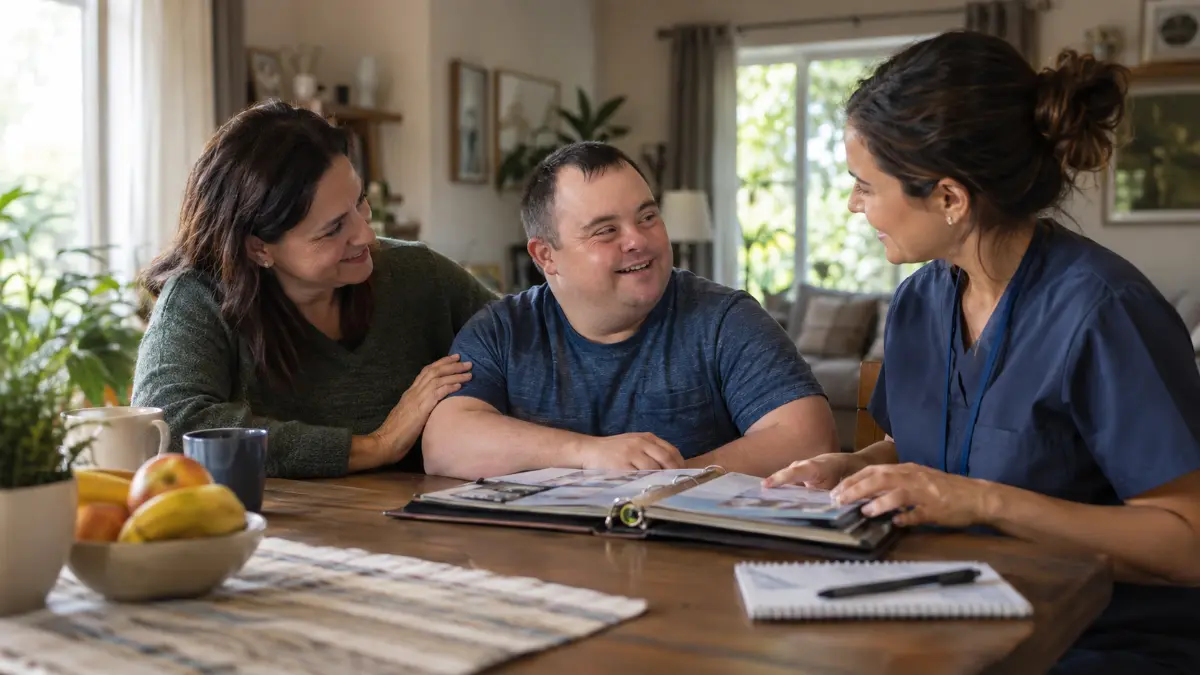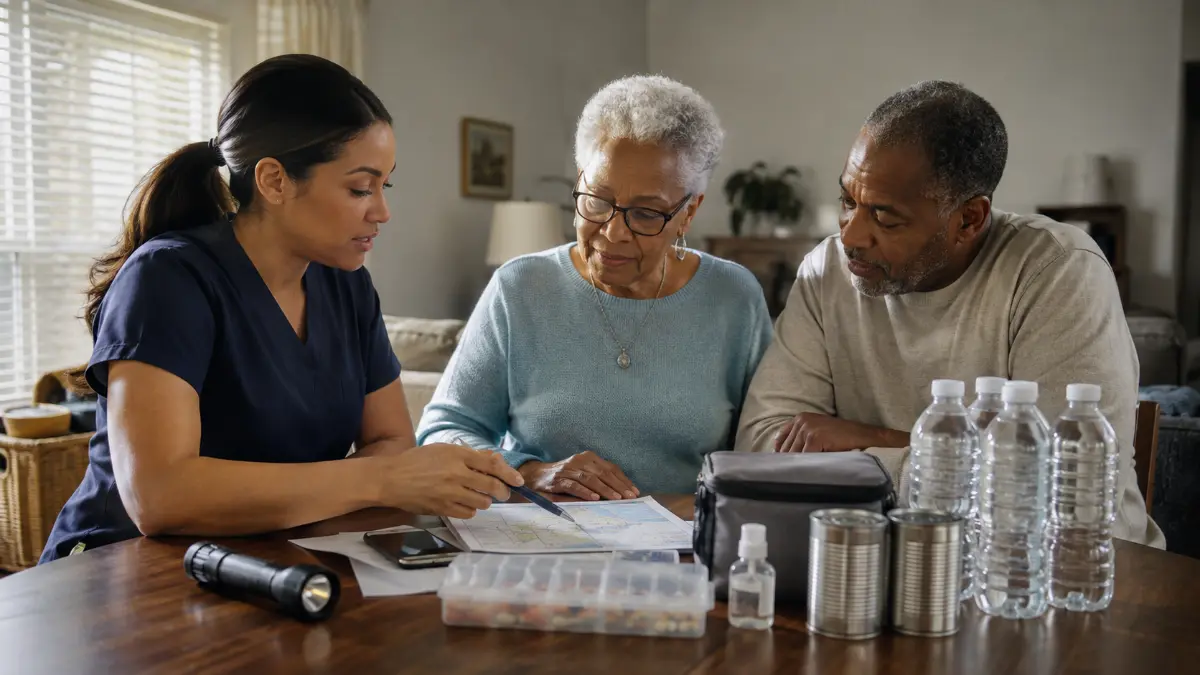



Most surgeries in Houston end the same way: the hospital says you are ready to go home, and the family suddenly has a list of things nobody at home is set up to do. Someone has to be there the first night. Someone has to manage pain pills on a schedule, make meals that fit the diet, help with the shower without a fall, and drive to the follow-up. This guide explains what home care after surgery actually covers, how it fits alongside the home health nurse or therapist, how fast it can start, and how families in Houston and Dallas usually pay for it.
Need a caregiver at home by discharge day?
Angels Instead can usually start within 24 hours. When it is urgent, the home safety assessment, the care plan and the caregiver introduction all happen the same day. Shifts are a minimum of 4 hours. Call 281-800-1800 or get your hourly rate online.
What home care after surgery includes
After-surgery home care is non-medical support delivered by a trained caregiver in the patient’s own home during recovery. It covers the hours between medical visits, which is most of the day:
- Safe mobility: help standing, walking, using the walker, and getting in and out of bed, the car and the shower, the moments when most post-surgery falls happen.
- Personal care: bathing, dressing (including compression stockings and front-opening clothes), toileting and grooming, with attention to incision sites and the surgeon’s restrictions.
- Medication reminders: pain medication on schedule, antibiotics finished, blood thinners not missed, and a written log the family and doctor can see.
- Meals and hydration: cooking to the diet order (low sodium, soft foods, high protein for healing), plus water intake, which matters more than most families expect.
- Transportation: rides to post-op appointments, physical therapy and the pharmacy, with the caregiver in the room to take notes.
- Light housekeeping: laundry, dishes, clean linens and a clutter-free path through the house.
- Watching for problems: caregivers are trained to notice fever, swelling, redness around an incision, confusion or shortness of breath and to call the family and the care coordinator right away.
- Overnight supervision: an awake caregiver for the first nights home, when pain, medication and bathroom trips make falls most likely.
Home care and home health care: you may need both
Families often confuse the two. Home health care is skilled, ordered by the surgeon and delivered in short visits by a nurse or therapist: wound care, injections, physical therapy. Home care is the daily, hands-on help in between those visits. A hip replacement patient might see a physical therapist three times a week for 45 minutes and still need help with every shower and meal for two weeks.
Angels Instead is licensed by Texas HHS as a Home Health Agency, so when the plan of care calls for a nurse we can provide skilled nursing as well. Our main business is non-medical home care, and most post-surgery clients use a caregiver for the daily hours plus whatever skilled visits the surgeon has ordered. Read more on our home health care and skilled nursing page.
Surgeries that most often lead families to call
- Hip and knee replacement: weight-bearing limits, a walker, stairs and bathroom transfers. See our guide to home care after hip replacement.
- Heart surgery and cardiac procedures: lifting restrictions, sternal precautions, a strict medication schedule and a low-sodium diet.
- Spine and back surgery: no bending, lifting or twisting, which turns dressing, laundry and the dishwasher into two-person jobs.
- Cataract and eye surgery: eye drops on a schedule, no bending or rubbing, and rides for a week or two. See home care after cataract surgery.
- Abdominal surgery, hernia repair and colon surgery: incision care, diet changes and help getting up from a chair or bed.
- Cancer surgery: fatigue, treatment appointments and a long recovery. See cancer home care during treatment weeks.
How many hours of care after surgery?
There is no single answer, but most Houston families land in one of three patterns:
- The first 72 hours, around the clock. Overnight and daytime caregivers until the pain is under control and the patient is steady on their feet. Common after joint replacement and heart surgery, and for anyone who lives alone.
- Four to eight hours a day for one to three weeks. A morning shift for the shower, breakfast and medications, sometimes an afternoon shift for therapy and dinner.
- A few shifts a week. Rides to follow-ups, grocery runs, laundry and a safety check, for people who are mostly independent but should not be driving or lifting.
Because there is no long-term commitment and shifts start at 4 hours, the schedule can shrink as recovery progresses. The care coordinator reviews it with the family every week.
What happens before discharge
- You call 281-800-1800 with the surgery date, the expected discharge date and the surgeon’s instructions. The earlier the better, but we take calls the day before and the day of discharge.
- Home safety assessment. A care coordinator visits the home, looks at the bed height, the bathroom, the stairs and the rugs, and tells you what to move or rent (shower chair, raised toilet seat, grab bars) before the patient comes home.
- Care plan. Medications, diet, restrictions, appointments and the daily routine, written down so every caregiver on the case follows it.
- Caregiver introduction. The caregiver meets the family before the first shift. When it is urgent, all of this happens the same day.
How families pay for home care after surgery
- Private pay by the hour. The most common option for a short recovery. See your exact rate in about a minute with our online quote.
- Long-term care insurance. Many policies cover in-home care, some after an elimination period. Our LTC policy checker tells you what to look for, and we help with the claim.
- VA benefits. Eligible veterans can receive in-home care through the VA. Angels Instead is a VA Community Care Network provider. Take the two-minute VA eligibility quiz or read how much the VA pays for in-home care.
- Medicare. Medicare does not pay for non-medical home care. It may cover the skilled home health visits your surgeon orders through a Medicare-certified agency. We will tell you honestly what applies to your situation.
A home recovery checklist for Houston families
- Pick up prescriptions before discharge and write the schedule on one sheet.
- Set up a bedroom on the ground floor if stairs are involved.
- Rent or buy the equipment the hospital recommends: walker, shower chair, raised toilet seat.
- Remove rugs and cords from the path to the bathroom. Add night lights.
- Stock easy, protein-rich foods and plenty of water.
- Put the surgeon’s after-hours number and the signs of infection on the fridge.
- Decide who is there the first night. If nobody can be, book an overnight caregiver.
Frequently asked questions
How soon can a caregiver start after surgery?
Usually within 24 hours of your call, and the same day when a discharge is urgent. Families often call from the hospital the day before discharge.
Can a caregiver change my dressing or give injections?
Non-medical caregivers do not perform wound care or injections. They do keep the site clean and dry, remind you about dressing changes and watch for signs of infection. When the surgeon orders skilled care, Angels Instead can provide a licensed nurse because we are a licensed Home Health Agency.
Do you provide overnight care after surgery?
Yes. An awake overnight caregiver helps with bathroom trips, medications and repositioning, and is the most requested service for the first nights home. Read about our overnight caregivers.
How much does home care after surgery cost in Houston?
It is billed by the hour with a 4-hour minimum per shift and no long-term commitment. Your exact hourly rate is available in about a minute through our online quote.
Will the same caregiver come each day?
We schedule for consistency. A short recovery usually has one primary caregiver and one backup who has read the same care plan.
Which areas do you serve?
Houston and its suburbs (Spring, The Woodlands, Katy, Cypress, Sugar Land, Pearland, Kingwood, Humble, Baytown, La Porte and more) and the Dallas area (Plano, Frisco, McKinney, Allen, Richardson, Garland and more). See areas we serve.
Ready to plan the recovery? Call 281-800-1800 or contact us online. Angels Instead Group LLC is licensed by Texas HHS as a Home Health Agency and is a VA Community Care Network provider.