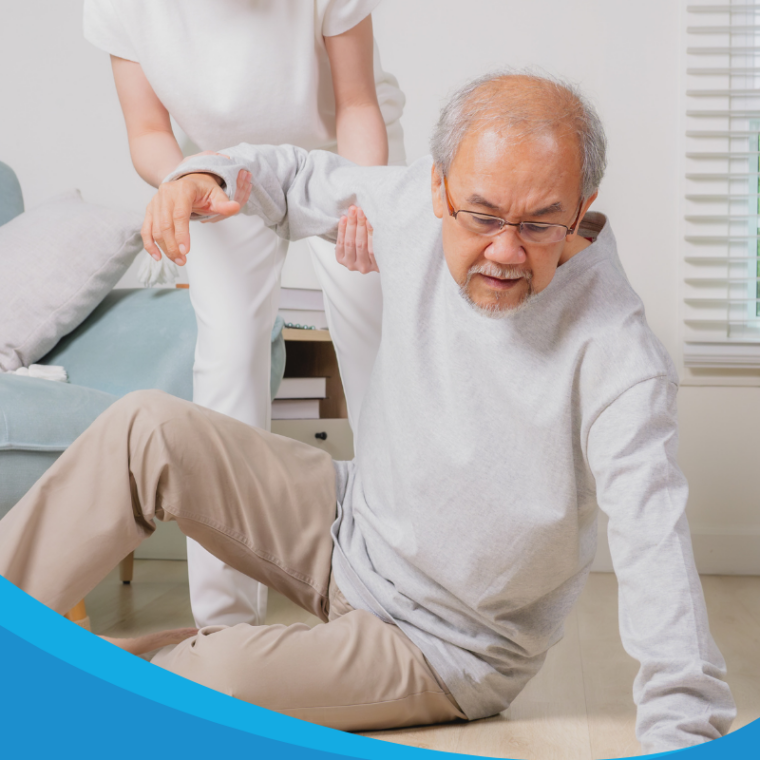

Why Elderly People Are More Likely to Fall
The first step in stopping falls is to know why they happen. In professional elder care, caregivers are taught to spot these common risk factors early:
- Weak muscles or less balance
- Bad hearing or seeing
- Dizziness or low blood pressure are some of the side effects of medicines.
- Walkways that are too full or too dark at home
- Floors that are slippery, rugs that aren’t tight, or surfaces that aren’t level
- Hurrying to the bathroom or getting up too quickly
After getting sick, having surgery, or going to the hospital, these risks often get worse, so it’s important to keep an eye on them.
How to Keep Your Home Safe from Falls
-
Make your home safer
The home is where fall prevention begins. Making small changes can greatly lower risk:
Take away loose rugs and cords from paths.
Make the lighting better in the hallways, bedrooms, and bathrooms.
Put grab bars in the bathroom and near the stairs.
Make sure that things you use often are easy to get to.
Professional elder home care services often include home safety checks to find hidden dangers that families might miss.
-
Help with strength and balance
To stay stable, you need to keep your physical strength. Gentle, supervised movement helps older people stay steady and sure of themselves:
Light stretching or exercises done while sitting in a chair
Healthcare providers approve of movements that focus on balance.
Safe walking routines with help when needed
Caregivers who help older people with daily activities encourage them to stay active while also respecting their physical limits.
-
Keep a close eye on medications
Some medicines can make you more likely to fall because they make you dizzy or tired. In structured elder care, caregivers help by:
Making sure that the right medications are taken
Looking out for side effects
Telling family members or healthcare providers about worries
Just being aware of medications can greatly lower the number of falls.
-
Help right away
Many falls happen when older people try to do things by themselves that they now need help with, like bathing, dressing, or going to the bathroom at night. Elder care services that are kind and caring help without taking away independence, so seniors feel supported instead of limited.
How professional elderly care services lower the risk of falls
Families often do their best, but it can be hard to keep an eye on someone and keep them from falling by themselves. This is where professional elderly care makes a meaningful difference.
At Angels Instead Home Care, caregivers are trained to:
Identify early signs of mobility decline
Provide steady assistance during daily routines
Encourage safe movement and healthy habits
Maintain calm, patient communication that builds trust
By addressing fall risks proactively, seniors remain safer while continuing to live comfortably at home.
Emotional Impact: Why Fall Prevention Matters Beyond Safety
A fall doesn’t only affect the body — it affects confidence. Many seniors become fearful after a fall, limiting their movement and social interaction. This can lead to isolation, depression, and further physical decline.
Effective elder care services focus on both physical safety and emotional well-being, helping seniors feel secure, respected, and empowered in their daily lives.
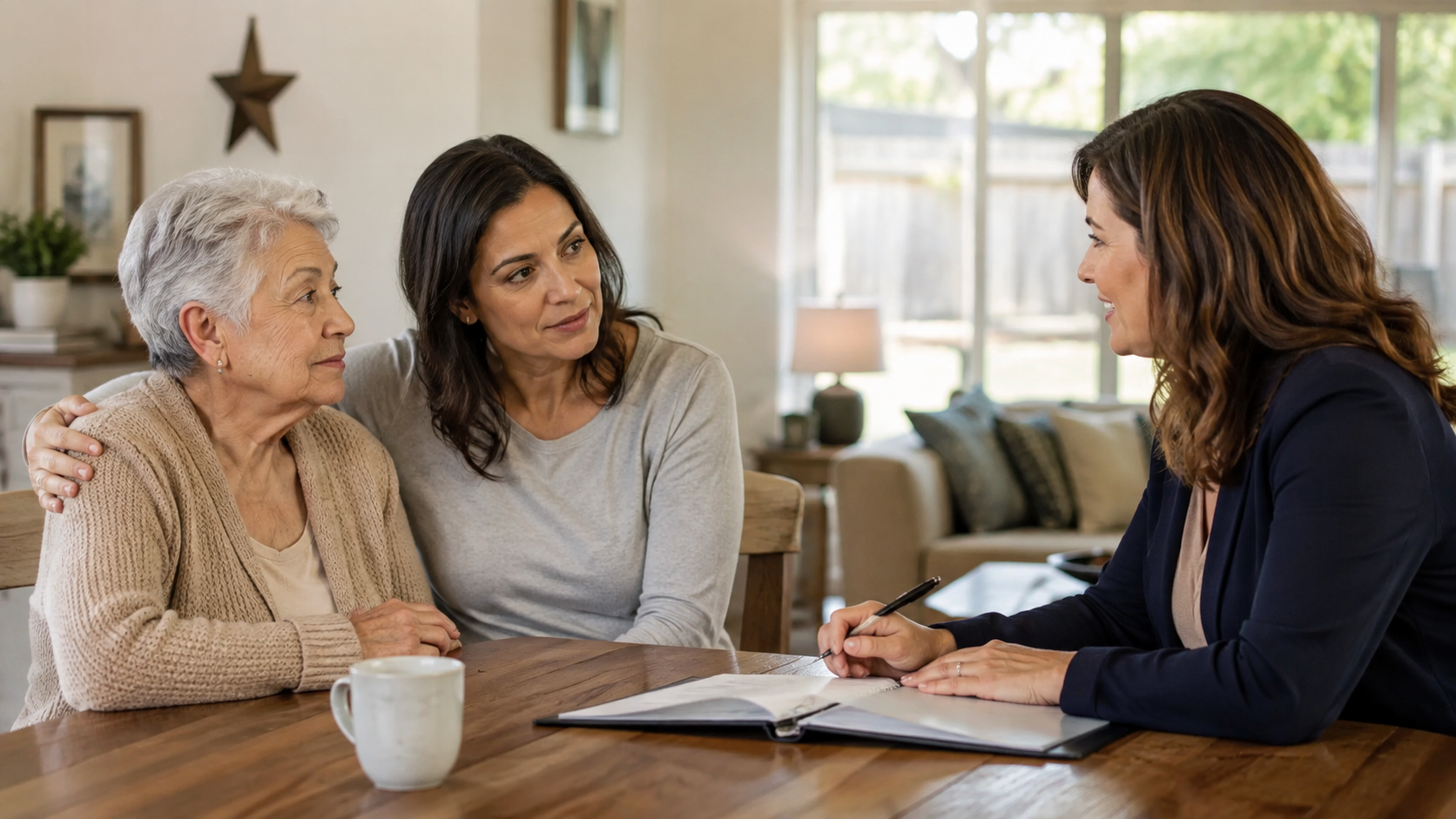
When Should Families Consider Professional Elder Care?
- You may want to explore elder home care services if you notice:
- Increased unsteadiness or frequent near-falls
- Hesitation to move independently
- Recent hospital discharge or illness
- Caregiver exhaustion or concern
Early support can prevent accidents and reduce long-term health complications.
Frequently Asked Questions About Preventing Falls for the Elderly
What is the leading cause of falls in the elderly?
Loss of balance, muscle weakness, and environmental hazards are among the most common causes.
Can falls really be prevented?
Yes. With proper elderly care, home adjustments, and routine support, many falls are preventable.
Does home care help prevent falls?
Absolutely. Trained caregivers play a key role in monitoring movement, assisting with daily activities, and creating safer routines.
Is fall prevention part of elder care services?
Yes. Fall prevention is a core focus of quality elder care services, especially in home-based care settings.
A Gentle Reminder for Families
Caring for an aging loved one comes with responsibility, love, and concern. Seeking help is not a failure, it is a proactive step toward safety and peace of mind.
Book a Free Consultation with Angels Instead Home Care
Let our experienced caregivers help reduce fall risks while preserving comfort, dignity, and independence at home.