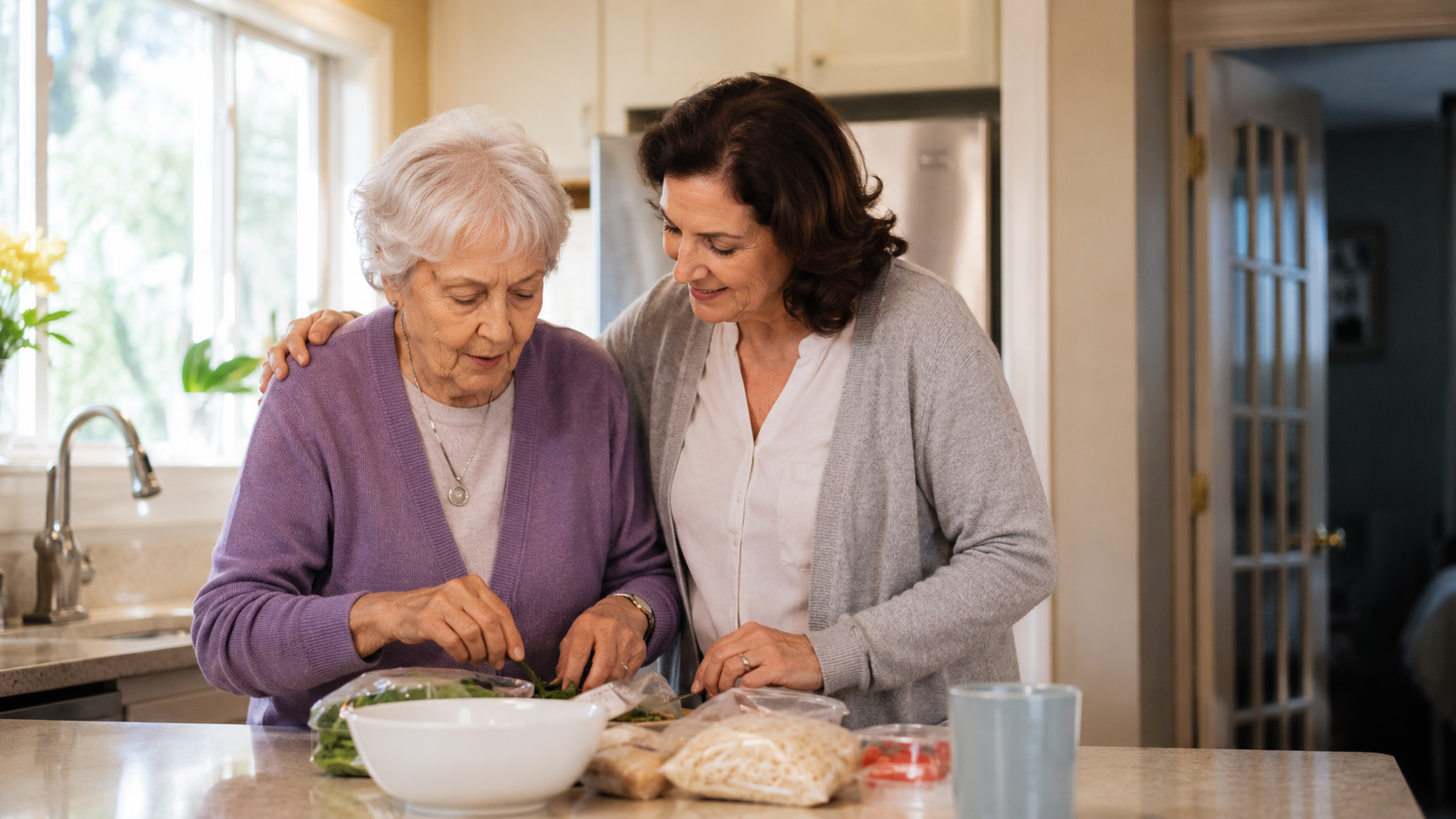


Growing older should not mean losing independence. Many seniors want to stay in the comfort of their own homes, surrounded by familiar routines, personal belongings, and the people they trust. But aging can also bring new challenges, including personal care needs, meal preparation, mobility concerns, loneliness, and family caregiver stress.
Senior health benefits may help older adults manage healthcare costs, but benefits alone do not always solve the daily challenges that happen at home. That is where compassionate home care can make a real difference for seniors and the families who support them.
Quick Answer: How Do Senior Health Benefits and Home Care Work Together?
Senior health benefits may help eligible older adults access medical coverage, prescriptions, or care-related support. Home care helps with everyday needs such as bathing, dressing, meals, companionship, mobility support, and caregiver relief. Together, they can help seniors remain safer, more comfortable, and more independent at home.
What Are Senior Health Benefits?
Senior health benefits are programs, coverage options, or assistance resources that may help older adults manage healthcare costs and access support. Depending on a person’s age, income, health needs, insurance coverage, veteran status, and location, these benefits may come from Medicare, Medicaid, veteran programs, state aging services, or private insurance.
Families should understand one important point: health benefits and home care are not always the same thing.
A benefit program may help with medical services, prescriptions, or specific types of care. But many aging adults still need help with everyday routines inside the home, such as bathing, grooming, dressing, preparing meals, moving safely, or staying socially connected.
That is why families often look beyond benefits and start asking a more practical question: what support does my loved one need day to day?
Do Senior Health Benefits Cover Home Care?
Some senior health benefits may cover certain home-based services, but coverage depends on the program, eligibility rules, medical need, location, and type of care required.
Medicare explains that home health services are generally tied to specific eligibility requirements and skilled care needs. Medicare does not automatically cover every type of long-term personal or household support at home. Source: Medicare.gov home health services
Medicaid Home and Community-Based Services, often called HCBS, may allow eligible people to receive services in their homes or communities instead of institutional settings. However, these programs vary by state and eligibility rules. Source: Medicaid.gov HCBS
For Texas families, Texas Health and Human Services provides aging-related programs and resources for older adults, people with disabilities, and caregivers. Source: Texas Health and Human Services Aging
The safest approach is simple: families should confirm benefit details with the official agency, insurance provider, or qualified benefits advisor before assuming home care is covered.
Why Benefits Alone May Not Be Enough
Health benefits can be valuable, but they do not always solve the daily realities of aging. A senior may have medical coverage and still struggle with tasks that happen every day inside the home.
- Bathing or grooming
- Dressing
- Preparing meals
- Remembering daily routines
- Moving safely around the home
- Feeling lonely or isolated
- Keeping the home comfortable
- Giving family caregivers a break
This is where non-medical home care becomes practical. If your loved one needs help with bathing, dressing, grooming, toileting, or daily routines, Angels Instead can provide personal care assistance through compassionate in-home support.
Home Care vs. Home Health Care: What Is the Difference?
Home care and home health care are often confused, but they are not the same.
Home health care usually involves medical or skilled care ordered by a healthcare provider. This may include nursing, therapy, or medically necessary support.
Home care usually focuses on non-medical daily living support. This may include personal care, companionship, meals, light housekeeping, mobility support, and respite support for family caregivers.
This difference matters because many families search for help thinking they need medical care, when what their loved one actually needs is consistent daily support at home.
Common Challenges Families Face When Caring for Aging Parents
Caring for an aging parent can start with small tasks. A ride to the doctor. A few groceries. A reminder to take medication. Help around the house. But over time, those small responsibilities can turn into a second full-time job.
Caregiver Burnout
Family caregivers often balance work, parenting, household responsibilities, and care for an aging loved one. Over time, this can lead to emotional and physical stress.
The National Institute on Aging notes that caregiving can be meaningful, but it can also be stressful, especially when caregivers do not care for their own health and well-being. Source: National Institute on Aging caregiving resources
When caregiving starts affecting sleep, patience, work, health, or family life, it may be time to consider respite care so family members can rest while their loved one continues receiving support.
Loneliness and Isolation
Not every care need is physical. Many seniors spend long hours alone, especially when family members work, live far away, or have other responsibilities.
Loneliness can affect mood, motivation, and quality of life. A caregiver who provides conversation, activities, walks, music, games, and emotional support can make the home feel less isolating.
Angels Instead’s companionship care can support human connection, emotional support, hobbies, light chores, and a calmer daily routine.
Meal Preparation and Daily Routine Support
Eating well becomes harder for some seniors. A loved one may skip meals, forget to cook, lose interest in food, or struggle with grocery shopping.
Meal support can help seniors maintain a better daily rhythm. It can also give families confidence that their loved one is eating more consistently.
Families who need help with grocery help, food preparation, feeding support, or nutrition routines can explore meal preparation support as part of an in-home care plan.
Mobility and Safety Concerns
Families often worry about falls, transfers, stairs, or an aging parent moving around the home alone. These concerns can become more serious when a senior feels weak, unsteady, or afraid to ask for help.
Home care should not be presented as a guarantee against falls. That would be an irresponsible claim. What home care can do is provide practical support during movement, transfers, and daily routines as part of a safer support plan.
If your loved one needs help with walking, transfers, wheelchairs, or everyday movement at home, Angels Instead’s mobility assistance may be a relevant support option.
How Angels Instead Supports Seniors at Home
For many families, the real goal is not just finding help. It is protecting a loved one’s dignity, independence, and daily routine.
Angels Instead supports seniors and families with compassionate in-home care designed around each person’s needs. Care may be flexible, whether a family needs a few hours of weekly support, ongoing daily assistance, overnight help, or temporary relief for family caregivers.
Support may include:
- Bathing and grooming assistance
- Dressing support
- Meal preparation
- Medication reminders
- Light housekeeping
- Mobility support
- Companionship
- Respite support for family caregivers
- Care plan coordination
This kind of care helps bridge the gap between healthcare coverage and everyday living support.
Example: When Home Care Becomes Necessary
Imagine an aging parent who still wants to live at home but is starting to struggle with daily routines.
They forget meals. They feel unsteady walking from room to room. Bathing has become harder. Their adult child visits often, but work and family responsibilities make daily care difficult.
In this situation, home care does not replace family love. It supports it.
A caregiver can help with meals, personal care, companionship, and daily routines so the senior can remain in familiar surroundings while the family gets more breathing room.
When Should Families Consider Home Care?
Families should consider home care when an aging parent needs more support than family members can safely or consistently provide.
Home care may be helpful when a senior:
- Needs help bathing, dressing, or grooming
- Has trouble preparing meals
- Feels lonely or isolated
- Needs reminders for daily routines
- Has difficulty moving around the home
- Needs support after a change in health or mobility
- Wants to remain at home instead of moving into a facility
- Has family caregivers who are becoming overwhelmed
The earlier families plan, the easier it is to avoid rushed decisions during a crisis.
Senior health benefits may help older adults access healthcare support, but they do not always solve everyday care needs at home. Home care helps fill that gap by supporting personal care, meals, companionship, mobility, and family caregiver relief.
Call Angels Instead when your loved one wants to remain at home but needs more support with daily routines, safety, meals, companionship, or family caregiver relief.
Angels Instead can help families create a care plan that respects independence while providing practical support at home.
To explore available support, visit Angels Instead’s home care services page or speak with a care specialist about your loved one’s needs.
Understanding senior health benefits is an important step for families caring for aging loved ones. But benefits alone do not always answer the harder question: who will help with daily life at home?
For many seniors, staying independent requires more than medical coverage. It requires personal care, meals, companionship, mobility support, and a care plan that fits their real routine.
Angels Instead provides compassionate home care for families who want their loved ones to remain comfortable, supported, and respected in the place they know best: home.
FAQ
Do senior health benefits cover home care?
Some senior health benefits may cover certain home based services, but coverage depends on the program, eligibility, medical need, and location. Families should confirm details with Medicare, Medicaid, VA, Texas Health and Human Services, or their insurance provider.
What is the difference between home care and home health care?
Home health care usually involves skilled medical services ordered by a healthcare provider. Home care usually focuses on non-medical daily support such as bathing, dressing, meals, companionship, light housekeeping, and caregiver relief.
When should I consider home care for an aging parent?
Consider home care when your parent struggles with daily routines, feels isolated, needs help with meals or personal care, has mobility concerns, or when family caregivers are becoming overwhelmed.
Can home care help family caregivers?
Yes. Home care can give family caregivers relief by providing temporary or ongoing support. This allows families to rest, work, manage other responsibilities, and reduce the pressure of handling everything alone.
What services are included in home care for seniors?
Home care may include personal care, bathing and grooming support, meal preparation, companionship, light housekeeping, medication reminders, mobility support, and respite care for family caregivers.
Is non-medical home care the same as medical care?
No. Non-medical home care helps with daily living needs, while medical care involves clinical services such as nursing, therapy, diagnosis, or treatment. Families should speak with a healthcare professional for medical concerns.
Does Angels Instead provide home care in Houston and Texas?
Yes. Angels Instead provides home care support in Houston and surrounding Texas areas. Its services include personal care, companionship, meal support, mobility assistance, veteran care, dementia care, respite care, and live-in caregiver support.
Disclaimer:
This article is for general educational purposes only and is not medical, legal, insurance, or benefits advice. Families should confirm eligibility and coverage details with official agencies, healthcare professionals, insurance providers, or qualified benefits advisors.