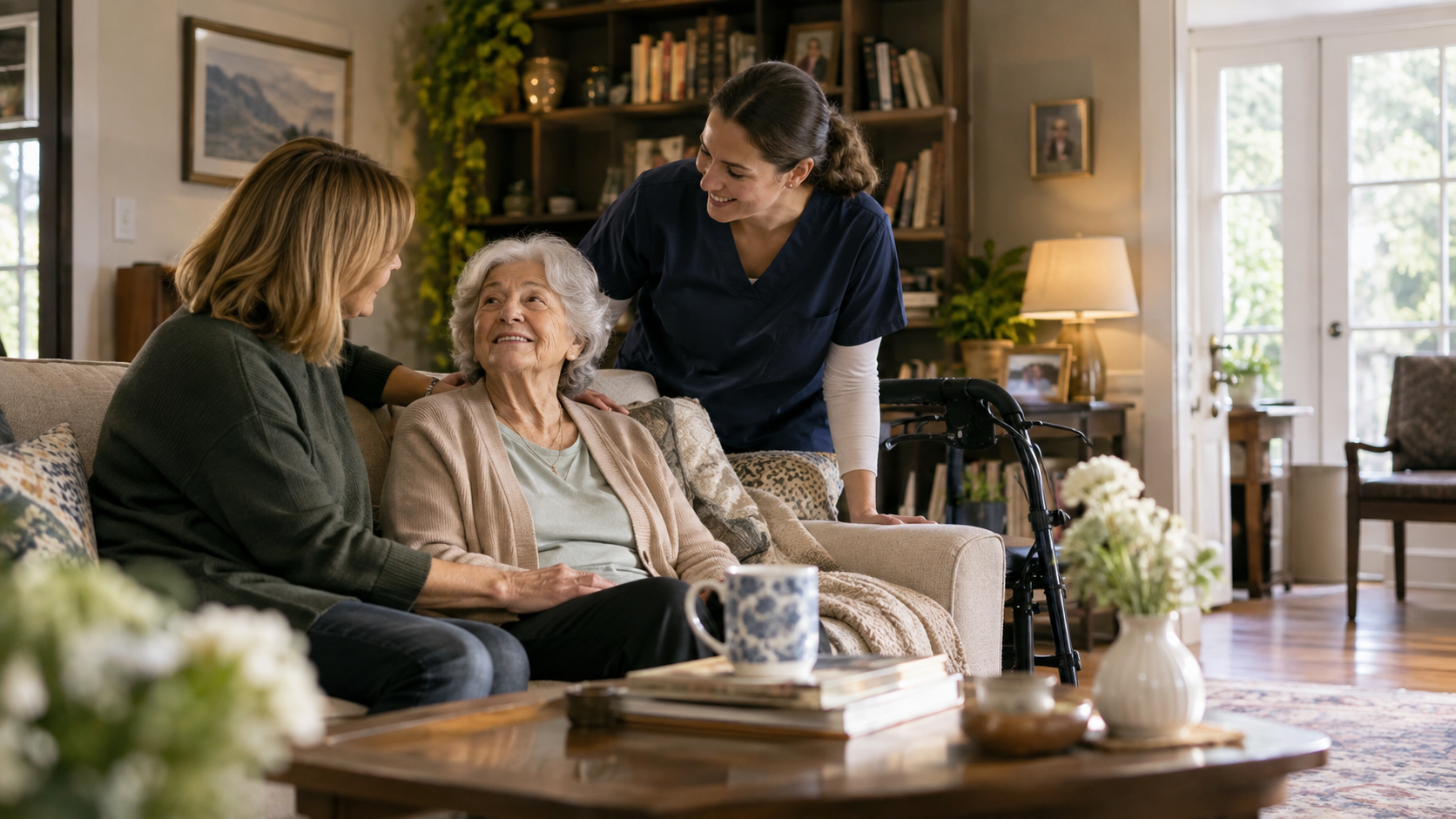


Caring for a loved one navigating Alzheimer’s disease or another form of dementia is a profound journey of love, but it undeniably comes with unique, often exhausting challenges. As a geriatric care specialist with over two decades of experience, one of the most frequent concerns I hear from families revolves around sudden, unpredictable shifts in behavior. Seeing a normally peaceful parent or spouse exhibit heightened distress, restless pacing, or uncharacteristic anger can be deeply unsettling.
If you are witnessing these changes, I want to reassure you: you are not alone, and these behaviors are not your fault. To provide the best possible care, we must shift our perspective and understand the medical and environmental factors driving these emotional storms. In this comprehensive guide, we will explore the root causes of these behaviors and provide expert-backed strategies to bring peace back into your home.
What is Agitation and What Does Agitated Mean in Dementia?
To effectively support your loved one, we first need to answer a fundamental question: what is agitation, and what does agitated mean when we are talking about cognitive decline?
In the context of dementia, agitation is far more complex than just having a “bad day” or being in a sour mood. It is a profound, biological, and psychological response to a world that is rapidly losing its familiarity. As the disease physically alters the brain, the individual loses their ability to process new information, filter out excess stimuli, or communicate their basic needs.
Therefore, when we ask what does agitated mean, we are referring to a state of extreme restlessness, emotional distress, and sometimes physical aggression that occurs when a person with dementia feels overwhelmed or threatened. It is not a deliberate choice; it is a direct result of their shrinking cognitive world.
Recognizing the Early Warning Signs: Anxiety Symptoms
Before agitation reaches a boiling point, it almost always begins as generalized anxiety. Learning to recognize early anxiety symptoms can help caregivers intervene before a full-blown behavioral crisis occurs.
In individuals with dementia, anxiety rarely looks like standard worrying. Instead, it manifests through repetitive actions and physical restlessness. You may notice your loved one constantly pacing the hallways, picking at their clothing, clinging to you (often referred to as shadowing), or repeatedly asking the same question.
In severe cases, this mounting fear can escalate into an anxiety attack. During these episodes, families often call my clinic in a panic, asking, “can anxiety cause chest pain in older adults?” The answer is yes. Severe anxiety triggers the body’s “fight or flight” response, which can cause physical symptoms like a racing heart, shortness of breath, and chest tightness. However, as a medical professional, I must stress this critical rule: always treat sudden chest pain as a medical emergency first. Never assume it is just an anxiety attack until a doctor has officially ruled out cardiovascular events.
Identifying the Triggers
To stop the cycle of distress, you must become a behavioral detective. Anxiety and agitation are usually triggered by one of three core categories:
- Medical Causes: Undiagnosed physical pain is the leading culprit. Because your loved one cannot articulate “my stomach hurts,” that pain translates into pacing and shouting. Always check for Urinary Tract Infections (UTIs), constipation, dehydration, or poor sleep.
- Environmental Stressors: Too much noise, a glaring light, a sudden change in residence, or even a cluttered room can overstimulate a damaged brain.
- Emotional Confusion: Misperceived threats, such as not recognizing a reflection in the mirror or feeling abandoned, can cause immense fear.
How to Calm Anxiety: Prevention Strategies
The most effective way to manage agitation is to stop it before it starts. If you are wondering how to calm anxiety proactively, focus on these expert-endorsed environmental and routine adjustments:
- Create a Sanctuary: Simplify their living space. Turn off the television when it’s not being actively watched, minimize glaring lights, and reduce background noise. A calm environment breeds a calm mind.
- Establish a Predictable Routine: Routine is the anchor for a brain that is losing its memory. Keep meals, waking times, and activities as consistent as possible.
- Monitor Personal Comfort Daily: Proactively ensure they are hydrated, fed, and using the restroom regularly. Do not wait for them to tell you they are uncomfortable.
- Encourage Gentle Movement: Physical energy needs an outlet. A short daily walk or dancing to familiar music from their youth can naturally reduce cortisol levels.
How to Deal with Anxiety When it Escalates
Even with the best preventative measures, outbursts will happen. When faced with an agitated loved one, knowing how to deal with anxiety in the moment is crucial for safety.
- Validate, Don’t Argue: If your loved one is frantically looking for a spouse who passed away years ago, do not correct them with the painful truth. Instead, validate their underlying emotion. Say, “You must really miss him. Tell me about your favorite memory together.”
- Check Your Body Language: Stand at eye level, avoid crossing your arms, and maintain a soft, non-threatening posture. Do not corner them.
- Use the “Redirect” Technique: Acknowledge their frustration, apologize that they are upset, and smoothly transition to a different room or a pleasant activity, like folding warm laundry or looking at old photos.
Finding the Right Support: When You Need Help
Managing the complex behaviors associated with dementia is an incredibly heavy lift for one person. Caregiver burnout is a very real, very dangerous phenomenon. Sometimes, the most loving action you can take is expanding your care team.
Angels Instead provides specialized, compassionate in-home care tailored specifically to the unique needs of seniors experiencing cognitive decline. Our highly trained caregivers deeply understand the nuances of dementia-related behaviors and can implement these behavioral strategies seamlessly. Whether you need respite care to recharge, or ongoing support to create a safe, calming environment right in the comfort of your loved one’s home, we are here for you. Reach out to Angels Instead today to explore how our bespoke care plans can bring peace of mind, safety, and joy back to your family.
Medical Interventions
If environmental modifications and specialized caregiving do not reduce the agitation, it is time to consult their primary care physician or a neurologist. There are FDA-approved medications for dementia-related agitation, but they must be prescribed with extreme caution, as many carry risks for elderly patients. A thorough medical evaluation is the safest path forward.
Frequently Asked Questions (FAQ)
What is agitation caused by in dementia patients? Agitation is typically caused by a combination of a deteriorating brain struggling to process the environment, underlying physical discomfort (like an infection, pain, or hunger), or environmental overstimulation (loud noises, new faces).
What does agitated mean if it happens suddenly? Sudden agitation is often a red flag for an acute medical issue. In older adults, a sudden spike in confusion or aggressive behavior is frequently linked to a Urinary Tract Infection (UTI), dehydration, or a bad reaction to a new medication. Always seek medical evaluation for sudden behavioral changes.
How do I handle an anxiety attack in someone with memory loss? During an anxiety attack, do not ask complex questions. Use short, calming phrases like, “You are safe,” and “I am right here with you.” Dim the lights, eliminate loud noises, and sit quietly with them until the physiological symptoms subside.
Can anxiety cause chest pain even if they have dementia? Yes, can anxiety cause chest pain is a common question, and the physiological response to fear remains intact even as cognition declines. However, you must always treat chest pain as a potential cardiac event and seek emergency medical care to rule out a heart attack.
How to deal with anxiety at night (Sundowning)? Nighttime anxiety, often called “sundowning,” can be managed by increasing light exposure during the day, limiting caffeine after lunch, and closing curtains before dusk to reduce shadows that might cause frightening hallucinations.